

KitchenAid mixers are expensive because they are built to last for decades using high-quality metal components and a specialized motor design. While the initial price tag is high, the exceptional engineering, versatile attachments, and timeless design provide long-term value that cheaper plastic alternatives simply cannot match.
If you have spent any time browsing baking blogs or walking through high-end home goods stores in 2026, you have certainly noticed the KitchenAid stand mixer. It sits on the counter like a crown jewel of the kitchen. With its iconic curves and bold color options, it looks beautiful. However, the price tag often causes potential buyers to pause. Why are KitchenAid mixers so expensive compared to the plastic hand mixers or entry-level stand mixers found at discount stores?
When you look at the cost of a KitchenAid mixer, you are not just paying for a brand name or a shiny paint job. You are investing in a piece of mechanical engineering that has been refined over more than a century. In a world where many kitchen gadgets are made to be replaced every few years, the KitchenAid stand mixer is built to be passed down through generations. Let’s dive into the reasons why this appliance justifies its premium price.
Key Takeaways
- Industrial-Grade Materials: KitchenAid uses heavy-duty metal gears and housings rather than plastic, ensuring the machine handles thick doughs without breaking.
- Longevity and Repairability: These mixers are designed to be heirloom pieces that can be serviced or repaired for years, unlike disposable “cheap” appliances.
- The Attachment Ecosystem: A single mixer functions as a food processor, pasta maker, and meat grinder thanks to the universal power hub.
- Brand Heritage: You are paying for over a century of research and development, combined with a brand reputation that maintains high resale value.
- Consistent Performance: The planetary mixing action ensures that ingredients are incorporated thoroughly, saving you time and reducing baking failures.
- Aesthetic Investment: Beyond utility, these mixers are considered iconic kitchen decor that keeps kitchens looking stylish for years.
The Engineering Behind the Power
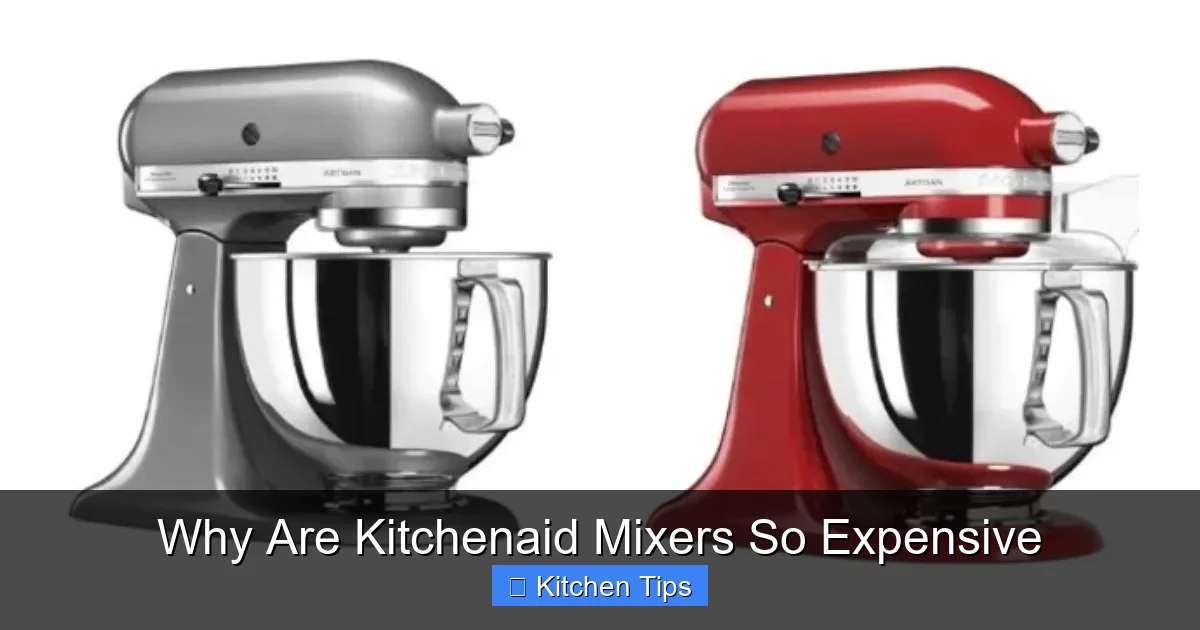
The primary reason for the higher price point is the robust build quality. When you lift a KitchenAid mixer, you immediately notice it is heavy. This is not because of unnecessary bulk, but because of the high-quality metal used throughout the machine. Unlike many modern appliances that use lightweight plastic for gears and housing, KitchenAid utilizes die-cast zinc and stainless steel.
Metal Gears and Direct Drive
Inside the head of the mixer, you will find metal gears that are designed to handle high torque. When you are kneading a heavy loaf of sourdough bread or mixing a massive batch of cookie dough, you need a motor that won’t strip its internal components. The direct-drive transmission is a hallmark of these machines. It ensures that the power goes straight from the motor to the beater, minimizing energy loss and maximizing efficiency.
A Motor Built for Endurance
Many cheaper mixers suffer from motor burnout when pushed to their limits. KitchenAid engineers their motors to run cooler and last longer under pressure. While a plastic mixer might vibrate uncontrollably and eventually crack under the stress of a thick batter, a KitchenAid stays grounded. This stability protects the internal wiring and ensures that the appliance remains functional even after thousands of hours of use.
The Ecosystem of Attachments
One of the most compelling reasons that KitchenAid mixers are so expensive is the versatility offered by the front-mounted power hub. This is not just a tool for baking cookies; it is the center of a culinary ecosystem. By purchasing a few attachments, you can turn your mixer into a pasta roller, a meat grinder, a vegetable spiralizer, or even an ice cream maker.
Saving Space and Money in the Long Run
Think about the cost of buying separate, high-quality machines for every kitchen task. A standalone meat grinder, a dedicated pasta machine, and a high-end food processor can easily cost more than the mixer itself. By consolidating these functions into one base, you save precious counter space and simplify your storage. In 2026, many home cooks are moving toward a “less is more” approach in their kitchens, making the multifunctionality of the KitchenAid an excellent financial trade-off.
Universal Compatibility
A brilliant design choice by KitchenAid is the consistency of the power hub. An attachment made today will generally fit a mixer produced decades ago. This design philosophy prevents your accessories from becoming obsolete. When you buy into the system, you are buying a platform that grows with your evolving cooking skills, ensuring that your initial investment remains relevant for years.
Brand Heritage and Resale Value
There is no denying that the KitchenAid name carries weight. The company has been perfecting the stand mixer since the 1920s. This isn’t a trendy “as seen on TV” item that will disappear from the market in a year. The brand has built a reputation for reliability that is almost unparalleled in the small appliance industry.
The Used Market Phenomenon
Have you ever looked at a used marketplace online to see the price of a vintage KitchenAid? Even machines that are thirty or forty years old often sell for a significant portion of their original purchase price. This high resale value is a rare trait for an appliance. Because these machines are so well-built, they don’t lose value the way a plastic toaster or a cheap blender does. If you ever decide to sell your mixer, you will likely recover a large chunk of your initial investment.
Repairability Over Replacement
In our modern throwaway culture, it is refreshing to know that KitchenAid mixers are designed to be repaired. You can find replacement parts, from gears to replacement bowls, for almost any model produced in the last fifty years. This commitment to repairability reduces the environmental impact of your purchase and ensures that if something does go wrong, you don’t have to throw the whole machine away. This serviceability adds tremendous long-term value to the product.
The Precision of Planetary Mixing
Have you ever used a basic mixer and found yourself having to stop, lift the head, and scrape the sides of the bowl every thirty seconds? It is frustrating and inefficient. KitchenAid uses what is known as “planetary mixing action.” This means the beater spins in one direction while orbiting the bowl in the other. This ensures that every inch of the bowl is reached, covering the bottom and the sides thoroughly.
Consistent Baking Results
This design is not just about convenience; it is about better baking. By incorporating all ingredients evenly, you get better aeration for cakes and more consistent dough development for breads. For professional chefs and passionate home bakers, this precision is worth the extra cost. It reduces the time spent babysitting the machine and leads to a more professional outcome for your recipes.
Quality Control and Manufacturing
Another factor that drives up the cost is the quality control process. KitchenAid, particularly with their professional-grade models, performs rigorous testing to ensure that each unit meets specific performance standards. From checking the tolerances of the gears to testing the motor’s heat output, the manufacturing process is much more involved than that of generic brands.
Precision Assembly
Every mixer is carefully assembled to ensure that the head locks securely and the beaters are perfectly aligned. This precision reduces noise and prevents the machine from “walking” across your counter during heavy-duty mixing. The quality of the enamel finish is also a point of pride. The thick, chip-resistant coating is baked onto the metal housing, which is a much more expensive process than simply spraying plastic with paint. This finish keeps your mixer looking brand new even after years of heavy use.
Is It Right for You?
When asking “why are KitchenAid mixers so expensive,” you must also ask if you are the target user. If you only bake once a year during the holidays, a cheaper, lighter-weight mixer might suffice. However, if you find yourself baking bread, cookies, cakes, or using the various attachments regularly, the KitchenAid is an investment in your kitchen experience.
Think of it as a tool rather than a gadget. Just like a professional chef invests in a quality set of knives that will last a lifetime, the home baker invests in a stand mixer. The joy of having a machine that never struggles, never complains, and is always ready for the next recipe is a quality-of-life improvement that is hard to put a price on. In the year 2026, as home cooking continues to grow, having a reliable workhorse like a KitchenAid is a smart way to simplify your life and elevate your culinary projects.
In conclusion, the high price of a KitchenAid mixer is a reflection of its durability, design, and versatility. By choosing a product built with metal components, an efficient motor, and an extensive system of attachments, you are ensuring that your kitchen remains functional and effective for decades. While the upfront cost is certainly higher than budget alternatives, the longevity and resale value of the product make it one of the best financial investments you can make for your home.
Frequently Asked Questions
Are all KitchenAid mixers made in the same place?
Most of the iconic tilt-head and bowl-lift stand mixers are assembled in the United States using a combination of domestic and imported parts. This commitment to local manufacturing contributes to the overall build quality and the higher price point compared to fully imported budget appliances.
Does the mixer really save me time?
Yes, because the planetary mixing action effectively scrapes the sides of the bowl for you, you spend less time manually mixing and adjusting ingredients. Furthermore, the motor’s power allows for faster kneading of dough, which cuts down on preparation time for complex recipes.
Can I fix my KitchenAid if it stops working?
Absolutely. One of the main reasons these mixers hold their value is the widespread availability of replacement parts and repair manuals. Most issues can be resolved with simple tools, preventing you from having to purchase an entirely new machine.
Is the bowl-lift or tilt-head model better?
The choice depends on your needs; tilt-head models are generally more compact and easier to use for smaller batches. Bowl-lift models are designed for heavy-duty tasks like professional-sized bread batches and offer greater stability for high-volume baking.
Do I need the pro-level attachments?
You don’t need them immediately, but having the option to expand your mixer’s capabilities is a significant benefit. Most home bakers start with the basics and add attachments like the pasta roller or meat grinder over time as their needs grow.
Is it worth buying a used older model?
Yes, vintage models are legendary for their simplicity and robust metal gears. Many enthusiasts prefer older units because they are easy to restore and often perform just as well as the new models currently on the market.