
A well-maintained KitchenAid stand mixer is designed to last between 15 and 30 years, often becoming a family heirloom. By following routine maintenance and avoiding common misuse, you can ensure your appliance remains the workhorse of your kitchen for generations.
If you have ever walked into a professional bakery or a grandmother’s kitchen, chances are you have spotted that iconic, rounded silhouette of a KitchenAid stand mixer. It is the hallmark of serious baking and a permanent fixture on kitchen countertops across the world. In 2026, as we lean more into sustainable living and high-quality appliances, many people are asking: how long does a KitchenAid stand mixer last? The answer is often measured in decades rather than years.
When you invest in this appliance, you aren’t just buying a gadget; you are purchasing a piece of mechanical history. These mixers are famous for their heavy-duty metal construction and reliable engineering. While most modern kitchen appliances are treated as “disposable” after five years, the KitchenAid stand mixer stands apart. It is built to endure, to mix, and to knead through countless batches of holiday cookies and sourdough loaves.
Key Takeaways
- Lifespan Expectancy: With proper care, these machines easily last over two decades, making them a smart long-term investment.
- Maintenance Matters: Annual grease changes and gear inspections are the secrets to preventing mechanical failure.
- Motor Protection: Avoid overloading the mixer with heavy doughs to prevent the internal motor from burning out.
- Parts Availability: KitchenAid excels at providing replacement parts, meaning a small repair rarely requires buying a new machine.
- Cleaning Habits: Keeping the exterior clean and storing it in a dry, room-temperature environment protects the motor and finish.
The Anatomy of Durability
To understand why these machines have such longevity, we have to look at how they are built. Unlike many other mixers on the market, KitchenAid uses a direct-drive motor system in many of its models. This means the power goes directly from the motor to the beater. There are fewer belts to break and fewer complex electronics to glitch out over time.
Metal Gears vs. Plastic Gears
One of the most common questions regarding how long does a KitchenAid stand mixer last involves the internal gears. Older models were renowned for their all-metal gear trains, which were virtually indestructible. While some modern, entry-level models incorporate sacrificial nylon gears, this is actually a safety feature. If you accidentally overload the mixer, the inexpensive gear strips rather than burning out the expensive motor. This design choice actually extends the total lifespan of the unit by protecting the heart of the machine.
Heavy-Duty Die-Cast Construction
The exterior of the mixer is typically made from die-cast zinc or aluminum. This heavy casing isn’t just for looks; it provides a stable base that minimizes vibration while the machine is working. Less vibration means less wear and tear on the internal components. When you treat the machine with respect, this solid frame ensures that the alignment of the motor and the planetary head stays true for 20, 30, or even 40 years.
Signs Your Mixer Needs Attention
Even the toughest machines occasionally need a tune-up. Knowing the early warning signs can help you prevent a minor issue from becoming a total breakdown. If you are wondering how long does a KitchenAid stand mixer last, remember that the answer depends on your reaction to these signals.

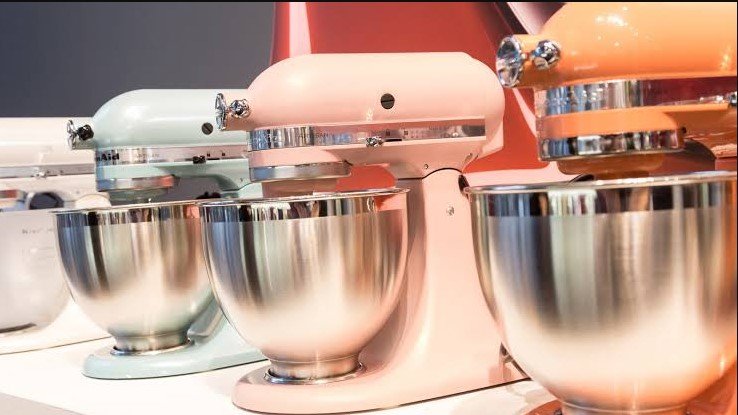
Visual guide about How Long Does a Kitchenaid Stand Mixer Last
Image source: bridefeed.com
Listen for New Noises
If your mixer sounds like a coffee grinder or starts whining significantly louder than usual, it may be time for a grease change. Over many years, the lubricant inside the gear housing can dry out or become thin. Opening the top housing and reapplying food-grade grease can make a 20-year-old mixer sound brand new again. It is a simple weekend project for anyone with a screwdriver and a bit of patience.
Watch for Leaking Oil
If you notice a dark, oily residue dripping from the planetary head, it is a clear sign that the internal seal has failed or the grease is breaking down. While this looks scary, it is a common maintenance issue. You don’t need to throw the mixer away; replacing the gasket and adding fresh grease will solve the problem and keep the machine running for another decade.
How Usage Patterns Affect Lifespan
The frequency and intensity of your baking play a massive role in the mixer’s longevity. A home baker who uses the machine once a month will naturally see a longer life than a professional baker using it multiple times a day. However, even with heavy use, the machine is designed to handle it if you follow the manufacturer’s speed and capacity guidelines.
The Danger of Heavy Doughs
The most common cause of premature death for a stand mixer is “dough overload.” If you are kneading bread, stay within the recipe capacity recommended for your specific model. When you overfill the bowl with high-hydration or very dense dough, the motor struggles. If you smell ozone or notice the mixer getting excessively hot to the touch, stop immediately. Allowing the motor to cool down is the best way to ensure it lasts for years to come.
Proper Speed Settings
Many users have a habit of cranking the speed to maximum to get the job done faster. However, most heavy mixing tasks should be done at speeds 2 or 4. Using the highest settings for heavy jobs puts unnecessary stress on the transmission. By keeping the speed low, you reduce the heat generated by the motor, which is the ultimate enemy of electrical longevity.
The Repairability Advantage
One of the strongest arguments for the longevity of KitchenAid is the availability of parts. Even in 2026, you can find original or high-quality aftermarket parts for mixers produced in the 1980s. This is an incredible feat in an era where parts are often discontinued within a few years of a product’s launch.
DIY vs. Professional Service
You can perform most basic repairs, such as replacing the speed control plate or the motor brushes, at home. There are countless video tutorials available that walk you through the process step-by-step. If you aren’t comfortable with DIY, there are still many small-appliance repair shops that specialize in these machines. Investing in a professional tune-up every 10 years is a great way to extend the life of your mixer indefinitely.
Upgrading Accessories
Sometimes, what feels like a dying mixer is actually just an issue with the attachments. If your beater is scraping the bowl or not reaching the bottom, you might just need to adjust the “dime test” screw. This simple adjustment ensures the beater is at the correct height, preventing potential damage to both the bowl and the planetary attachment point.
Storage and Care Tips for 2026
Your environment matters. Where you store your mixer can dictate how long it lasts. Because the motor relies on airflow to stay cool, keeping the intake vents clean is essential. Never store your mixer in a place where it might collect heavy dust or flour particles in the vents. If you keep your mixer out on the counter, wipe it down regularly to ensure no flour or sugar makes its way into the moving parts at the top of the head.
Also, consider the power cord. While it seems trivial, the cord is often the first thing to show age. Always unplug the unit by the plug itself, not the cord. Avoid wrapping the cord tightly around the base, as this can cause internal fraying over time. A simple loose loop is all it takes to keep the power supply healthy for years.
Conclusion
So, how long does a KitchenAid stand mixer last? If you treat it like the precision tool it is, it can easily serve you for 20 to 30 years or more. It is one of the few items in your home that improves with age and care. By paying attention to the sounds it makes, sticking to reasonable load capacities, and performing basic maintenance, you are securing a tool that will handle every birthday cake, holiday loaf, and weekend brunch for the foreseeable future.
Investing in a KitchenAid is an investment in your kitchen’s history. Whether you are using a hand-me-down from a relative or a brand-new model, the commitment remains the same: take care of your mixer, and it will take care of your baking needs for a lifetime. Happy baking!
Frequently Asked Questions
Is it worth repairing a 20-year-old KitchenAid mixer?
Yes, it is almost always worth repairing an older model. These vintage units often have robust, all-metal gears that are superior to some modern alternatives, making them highly valuable and repairable.
Why does my KitchenAid mixer smell like burning?
A burning smell usually indicates that the motor is overheating, likely due to an overloaded bowl or a blockage in the air vents. Turn off the mixer immediately, unplug it, and let it cool down before attempting to use it again with a smaller load.
How often should I grease the internal gears?
For a standard home baker, regreasing the internal planetary gears every 5 to 10 years is sufficient. If you use your mixer daily, you may want to check them every 3 to 5 years.
Can I use my mixer for commercial baking?
Standard home-grade KitchenAid mixers are not designed for the continuous, heavy-duty use required in a commercial kitchen. If you are baking professionally, you should look for their specific commercial-rated lines to ensure the motor can handle the workload.
What is the “dime test” for a KitchenAid mixer?
The dime test is a simple way to check if your beater is at the right height. Place a dime in the bottom of the bowl and turn the mixer to speed 1; the beater should just barely touch the dime, moving it slightly as it rotates.
Are newer KitchenAid models less durable?
While some modern models incorporate more plastic internal parts to save weight and cost, they are still very durable. These plastic parts are often “sacrificial” and designed to protect the motor from damage during accidental overloading.