
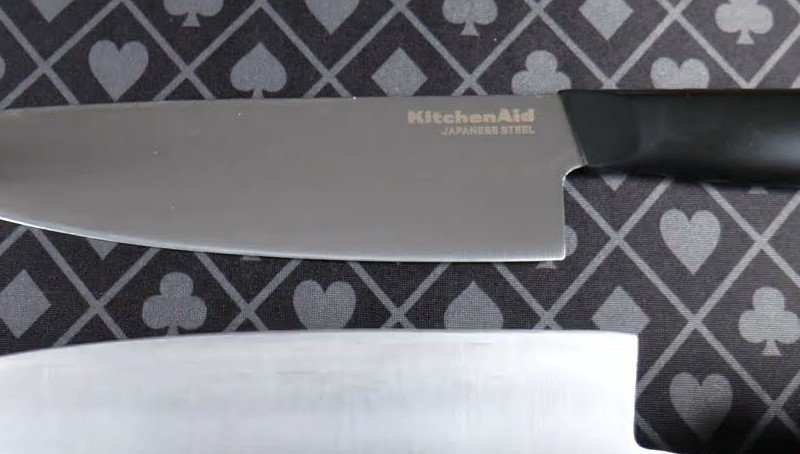
KitchenAid knives are popular entry-level tools that offer reliable performance for casual home cooks looking for convenience and affordability. While they may not satisfy the needs of professional chefs, their consistent construction and ergonomic designs make them a solid choice for daily kitchen tasks in 2026.
If you have spent any time browsing the aisles of a home goods store or scrolling through online kitchen catalogs in 2026, you have almost certainly seen the KitchenAid logo. Known globally for their iconic stand mixers, the brand has expanded significantly into the cutlery market. But the big question remains: are KitchenAid knives good for your daily cooking routine? It is a fair question, especially since knives are the most important tools in your kitchen arsenal.
When we talk about whether these knives are good, we have to look at who is doing the cooking. If you are a culinary student preparing for a professional career, your needs are vastly different from someone who just wants to chop some vegetables for a quick Tuesday night stir-fry. KitchenAid occupies a specific niche in the market, balancing accessibility with decent functionality. Let’s dig into the details to see how they stack up against the competition this year.
Key Takeaways
- Target Audience: These knives are designed primarily for home cooks who value utility and budget-friendly pricing over heirloom quality.
- Material Quality: Most blades are crafted from high-carbon stainless steel, which provides decent edge retention but requires regular honing.
- Ergonomics: KitchenAid emphasizes comfort with soft-grip handles that prevent slipping, even when your hands are wet.
- Maintenance Needs: While many models are labeled as dishwasher safe, hand washing is highly recommended to protect the blade’s sharpness and the handle’s finish.
- Value Proposition: They serve as an excellent “starter set” for students or first-time homeowners who need a functional tool without a massive investment.
Understanding the Build of KitchenAid Knives
To understand if KitchenAid knives are good, we first need to look at what they are made of. The brand typically uses high-carbon stainless steel for its blades. This material is a favorite in the industry because it resists staining, rust, and corrosion quite well. It is a forgiving metal, which is perfect for busy households where a knife might occasionally be left in the sink for an hour.
Blade Construction and Geometry
Most KitchenAid knives feature a stamped blade construction. Unlike forged knives, which are hammered out of a single piece of steel, stamped knives are cut out from a large sheet of metal. This makes them lighter and more affordable to produce. For the average home cook, a stamped blade is perfectly fine. You will find that these blades are thin enough to make precise cuts but sturdy enough to handle tough produce like carrots or squash.
The Edge Retention Reality
One of the most common complaints about entry-level knives is that they lose their edge quickly. KitchenAid knives are generally designed with a factory-set edge that is quite sharp right out of the box. However, because the steel is optimized for toughness rather than extreme hardness, you will need to hone your blades regularly. Using a simple honing rod once a week will keep your knife performing well for much longer.
Design and Ergonomics for Daily Comfort
One area where KitchenAid really shines is in the handle design. If you have ever used a knife that felt slippery or caused hand fatigue after slicing just one onion, you know how important ergonomics are. KitchenAid has leaned into soft-grip materials and balanced weights that feel natural in the hand.
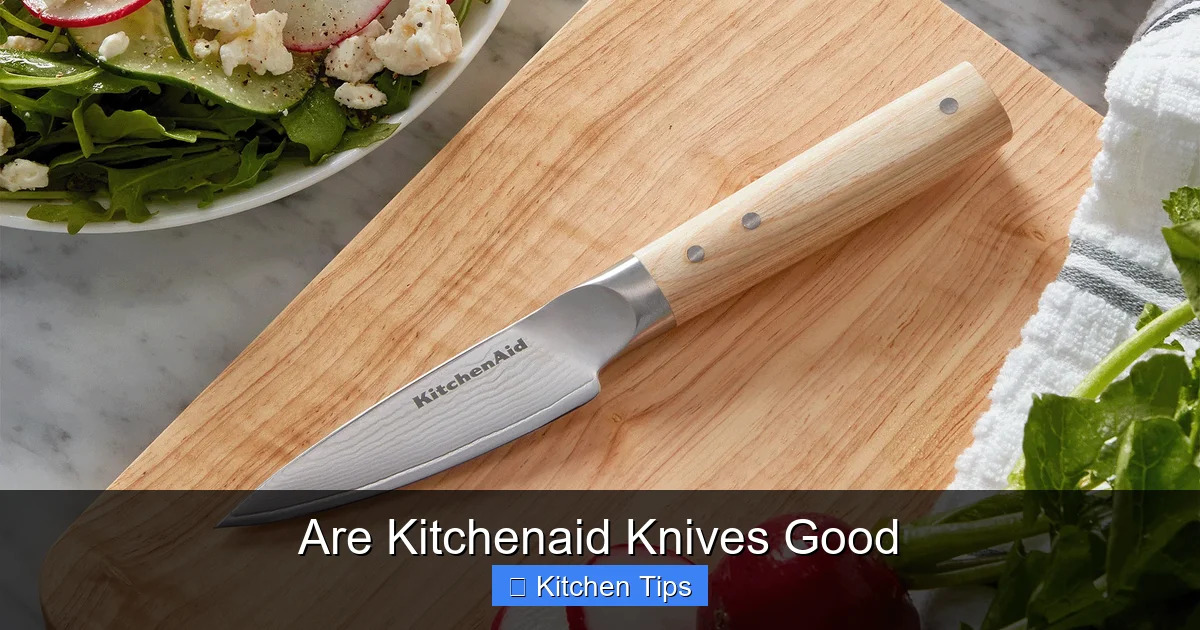
Visual guide about Are Kitchenaid Knives Good
Image source: ifdalivestorage.blob.core.windows.net
Safety and Grip
The grips on their knives are often textured or made of a rubberized plastic. This is a game-changer for home cooks who might be dealing with wet hands while prepping food. When you are moving quickly to get dinner on the table, having a handle that won’t slip out of your grasp provides a level of safety that is often overlooked. It is these small, thoughtful design choices that make many people conclude that KitchenAid knives are good for general household use.
Weight and Balance
Because they are mostly stamped, these knives are lighter than the heavy, forged German-style knives you might see in a restaurant kitchen. While some people prefer the “heft” of a heavy blade, many home cooks actually find lighter knives easier to maneuver. If you are chopping herbs or dicing smaller ingredients, the lighter weight reduces the strain on your wrist, allowing you to cook for longer without discomfort.
Maintenance and Longevity
A big factor in determining if a product is “good” is how long it stays that way. We live in a fast-paced world, and many people want kitchen tools that don’t require high-maintenance care. KitchenAid knives are designed for durability, but there are some ground rules to follow.
The Dishwasher Debate
Many KitchenAid knife sets are marketed as dishwasher safe. However, as any professional chef will tell you, the dishwasher is the enemy of a sharp knife. The high heat, harsh detergents, and the motion of the knife bumping against other utensils can dull the blade and loosen the handle over time. Even if the box says it is okay, we highly recommend washing your knives by hand with warm, soapy water and drying them immediately. This simple habit will extend the life of your KitchenAid knives by years.
Storage and Honing
To keep your knives in top shape, never store them loose in a drawer. The blades will rub against other metal items, which causes nicks and dulls the edge. Use a wooden knife block, a magnetic strip, or individual blade guards. Combined with regular honing, these storage tips ensure that your KitchenAid knives continue to be good performers for the long haul.
Comparing Value to Price
When assessing whether KitchenAid knives are good, we have to talk about the price. You are not paying the premium price of a hand-forged Japanese blade, and you shouldn’t expect that level of performance. Instead, you are paying for reliable, consistent, and safe tools that get the job done.
The Starter Set Advantage
For someone moving into their first apartment or someone who only cooks occasionally, buying a single “pro-grade” knife that costs as much as a whole set of KitchenAid knives might not be the best financial move. KitchenAid provides excellent value by including the essential shapes—a chef’s knife, a paring knife, a serrated bread knife—in one affordable package. It is a low-risk investment for a high-reward utility.
Consistency of Manufacturing
One of the biggest benefits of a major brand like KitchenAid is quality control. While a cheap no-name knife from a discount bin might arrive warped or with a loose handle, KitchenAid maintains a standardized manufacturing process. When you buy their products, you generally know what you are going to get. This reliability is a major part of why these knives have remained a staple in kitchens for years.
When Should You Consider an Upgrade?
Are KitchenAid knives good enough for everyone? Perhaps not. There comes a time in every cook’s journey when they might want to transition to higher-end cutlery. If you find yourself doing massive prep work, such as processing large amounts of meat or doing intricate knife work for hours, you might eventually feel the limits of the stamped, entry-level steel.
Signs You Need More
You might consider upgrading if you notice that you are sharpening your knives more often than you are using them, or if you feel that the blade is too thin to handle heavy-duty tasks like breaking down a whole chicken. However, this is not a reflection of a “bad” product. It is simply a reflection of your growth as a cook. For 90% of the tasks in an average kitchen, KitchenAid blades perform admirably.
Building Your Collection
You don’t have to throw everything away when you want to upgrade. Many professional chefs keep a variety of knives, including simpler ones for quick tasks. Keep your KitchenAid set for the everyday jobs and add specialized, high-end knives to your collection as you develop specific skills and preferences. This way, you protect your more expensive blades while keeping your reliable workhorses for the grunt work.
Final Verdict: Are They Worth the Investment?
At the end of the day, KitchenAid knives are good for the vast majority of home cooks in 2026. They bridge the gap between “throwaway” cutlery and expensive, specialized tools. They are sharp, safe, comfortable to hold, and incredibly easy to find. If you treat them with basic care—hand washing and proper storage—they will serve you faithfully for many years.
Choosing the right knife is a personal decision, but you cannot go wrong by starting with a brand that understands the American kitchen. If you value a balance of style, utility, and price, a KitchenAid knife set is a smart addition to your home. Happy cooking!
Frequently Asked Questions
Are KitchenAid knives dishwasher safe?
While many models are labeled as dishwasher safe, it is highly recommended to hand wash them. Dishwashers can dull the blades and damage the handles over time due to high heat and harsh detergents.
How often should I sharpen my KitchenAid knives?
You should hone your knives with a honing steel before every use to realign the edge. True sharpening with a stone or electric sharpener is usually only necessary once or twice a year, depending on how frequently you cook.
Are these knives good for professional chefs?
These knives are primarily designed for home use and casual cooking. Professional chefs typically prefer forged knives with different steel alloys and heavier balance points for intensive, high-volume tasks.
What type of steel does KitchenAid use?
Most KitchenAid knives utilize high-carbon stainless steel. This material is chosen for its excellent resistance to rust and staining while remaining easy enough for the average cook to maintain.
Do KitchenAid knives come with a warranty?
Yes, most KitchenAid cutlery sets come with a limited lifetime warranty that covers defects in materials and workmanship. Always check the specific packaging or official website for details on your particular model.
Are they suitable for heavy-duty tasks like carving a turkey?
They are suitable for standard kitchen tasks, including carving. However, for extremely tough tasks like cutting through bone, it is better to use a dedicated cleaver or heavy-duty carving knife to avoid damaging the blade.