
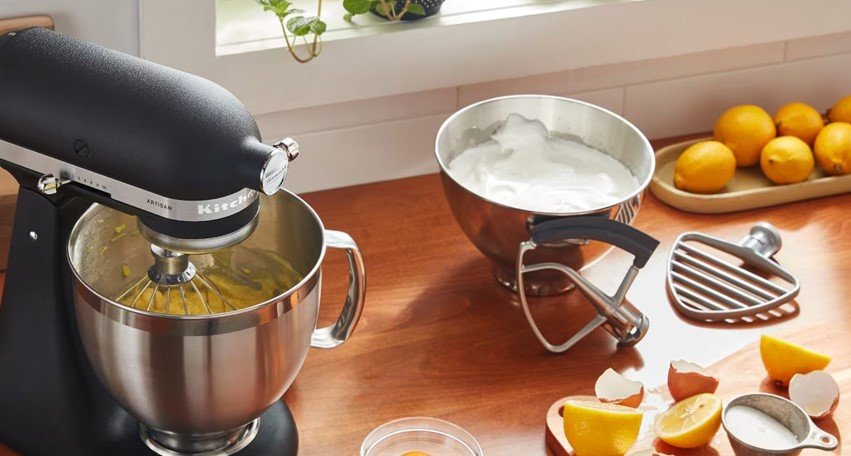
Most stainless steel KitchenAid mixing bowls are dishwasher safe, but many specialty bowls—like ceramic or glass—require hand washing to prevent damage. Always check your specific model’s manual before loading them to ensure you don’t void your warranty or cause finish degradation.
If you own a stand mixer, you know that the mixing bowl is the heart of your kitchen. After spending hours whipping up a batch of sourdough bread or a double layer of buttercream frosting, the last thing you want to do is spend another thirty minutes scrubbing sticky batter off the sides of a heavy metal bowl. As we head into 2026, many home cooks are looking for ways to streamline their cleanup process. The big question we hear all the time is: can Kitchenaid mixing bowls go in dishwasher?
The answer is a bit like a recipe—it depends entirely on the ingredients, or in this case, the material of your bowl. While the convenience of modern dishwashers is undeniable, not every bowl produced by KitchenAid is designed to withstand the high-temperature water and harsh chemicals found in standard wash cycles. Let’s dive into everything you need to know to keep your mixer accessories in pristine condition for years to come.
Key Takeaways
- Stainless Steel Rule: Most standard stainless steel bowls are dishwasher safe, but high heat can sometimes cause dulling over many cycles.
- Ceramic & Glass Caution: Specialized bowls often feature coatings or tempered glass that can crack under extreme thermal shock or aggressive detergents.
- Handle with Care: If you are unsure about your bowl, hand washing with mild soap is always the safest route for longevity.
- Check the Base: KitchenAid often stamps “Dishwasher Safe” on the bottom of their bowls; if you don’t see it, assume it is not.
- Avoid Harsh Chemicals: Using heavy-duty scouring pads or bleach in the dishwasher can strip the finish of premium bowls.
- Placement Matters: Always place your bowl upside down or at an angle in the top rack to ensure water drains properly and doesn’t pool.
Understanding Material Differences
The primary factor in determining if your bowl can survive the dishwasher is the material it is made from. KitchenAid offers a wide variety of mixing bowls, each with unique properties that dictate how they should be maintained. Understanding these materials is the first step in protecting your investment.
The Stainless Steel Standard
For most users, the stainless steel bowl is the workhorse of the kitchen. Generally speaking, these are the most durable options available. Because stainless steel is non-porous and highly resistant to rust, it handles the heat and humidity of a dishwasher extremely well. Most standard-issue stainless steel bowls that come with your mixer are dishwasher safe. However, there is a catch: if you have a polished or mirror-finish bowl, repeated dishwasher cycles might eventually leave water spots or fine scratches. While this won’t affect the performance of your bowl, it might impact its shiny aesthetic over time.
Glass and Ceramic Considerations
Glass and ceramic bowls are beautiful additions to any kitchen, often doubling as serving dishes. However, they are not as forgiving as stainless steel. Glass bowls are tempered, which makes them strong, but they can still be susceptible to thermal shock if your dishwasher’s drying cycle gets too hot. Ceramic bowls, especially those with decorative glazes or intricate designs, are almost always better off being hand-washed. The dishwasher detergent can sometimes etch the glaze, leading to a dull finish or, in worse cases, micro-cracks that could harbor bacteria.
How to Tell If Your Bowl Is Safe
If you are still asking yourself, “can Kitchenaid mixing bowls go in dishwasher,” the best place to find the answer is on the bowl itself. KitchenAid is usually very transparent about care instructions. Grab your bowl, flip it over, and inspect the base. Most modern bowls produced by the company have a small engraving or stamp that explicitly states “Dishwasher Safe.”

Visual guide about Can Kitchenaid Mixing Bowls Go in Dishwasher
Image source: buzzlyo.com
The “Better Safe Than Sorry” Approach
If you cannot find a marking on the bottom of the bowl, do not assume it is dishwasher safe. If you have misplaced the manual that came with your mixer, you can easily look up your specific model number on the official KitchenAid website. They provide digital PDFs for all their products that list exact cleaning and maintenance protocols. When in doubt, hand washing is the safest way to ensure that your bowl remains in perfect condition without running the risk of discoloration or finish damage.
Best Practices for Dishwasher Use
If your bowl is confirmed to be dishwasher safe, you still need to follow a few rules to ensure you don’t damage it. Proper loading is just as important as the cycle itself. By following these 2026 best practices, you can maximize the lifespan of your kitchen equipment while still enjoying the convenience of machine washing.
Loading and Positioning
The most important rule when putting your bowl in the dishwasher is placement. Do not let the bowl rattle around in the rack. Place it firmly on the bottom rack or the top rack, depending on the size. Ideally, it should be placed upside down or at a slight tilt. This prevents water from pooling in the bottom, which can lead to unsightly spots or residue buildup. Avoid placing the bowl directly over the heating element, as this intense heat can sometimes warp thinner metals or weaken tempered glass.
Choosing the Right Cycle
You don’t need a heavy-duty cycle for a mixing bowl. Usually, a standard or “normal” cycle is sufficient. If you are cleaning out heavy oils or thick dough residues, give the bowl a quick rinse in the sink before popping it into the machine. High-temperature sanitize cycles are generally overkill and might be too aggressive for the materials. Sticking to a standard wash with a mild, eco-friendly detergent will help keep your equipment clean without degrading the surface integrity.
The Impact of Detergents
We often talk about the heat, but the detergent you use is just as important. Modern dishwashing detergents are highly effective, which is great for dishes but potentially harsh on specialty kitchen equipment. Some detergents contain abrasive agents that can strip the protective finish off of stainless steel or cause clouding on glass surfaces.
Eco-Friendly Options
If you prefer to wash your bowls in the dishwasher, consider using a high-quality, gentle detergent. Avoid products that contain harsh bleach or aggressive scouring agents. These chemicals can cause pitting, which creates tiny holes in the metal where bacteria can hide. By switching to a mild, liquid-based detergent, you can clean your bowls thoroughly without sacrificing the quality of the finish.
When You Should Definitely Hand Wash
Even if the manual says “dishwasher safe,” there are times when hand washing is simply the smarter choice. If you have been using the bowl for tasks like kneading heavy doughs or whipping dense fats, the residue might be too stubborn for a dishwasher to tackle properly. In these cases, a hand wash allows you to apply the mechanical force needed to clean the bowl completely.
Maintaining the Longevity of Your Tools
Think of your mixer as an investment piece. By hand washing, you are adding years to the life of the bowl. It prevents the tiny nicks and scratches that happen when other silverware bangs into your bowl during the wash cycle. A little bit of warm soapy water and a soft sponge is usually all you need to keep your bowl looking like it just came out of the box in 2026.
Conclusion
So, can Kitchenaid mixing bowls go in dishwasher? The answer is a qualified yes. Most stainless steel models are designed to handle it, but glass and ceramic versions often require a more delicate touch. Always prioritize the manufacturer’s instructions, and when in doubt, default to hand washing. Taking the time to care for your mixing bowls correctly will ensure they stay beautiful and functional for all the baking projects you have planned for the future. Remember, your mixer is a companion in the kitchen—treat it well, and it will help you create delicious memories for years to come.
Frequently Asked Questions
Is it safe to put the KitchenAid stainless steel bowl in the dishwasher?
Yes, most standard stainless steel KitchenAid bowls are dishwasher safe. However, always check the bottom of your specific bowl for the “dishwasher safe” stamp to be absolutely sure.
Will the dishwasher make my bowl dull over time?
High-heat cycles and harsh detergents can sometimes cause a polished finish to become dull or spotted over many washes. Hand washing with a soft sponge is recommended if you want to keep that mirror-like shine.
Can I put the glass bowl in the dishwasher?
While some glass bowls are dishwasher safe, they are more prone to thermal shock than stainless steel. It is generally safer to hand wash your glass bowl to prevent potential cracking.
What happens if I put a non-dishwasher-safe bowl in the machine?
Putting a non-safe bowl in the dishwasher can lead to warping, chipping of glazes, or the removal of non-stick coatings. In extreme cases, it may even void your manufacturer’s warranty.
Do I need to rinse my bowl before putting it in the dishwasher?
Yes, a quick rinse is always a good idea, especially if you have been mixing thick batters or sticky doughs. This helps the dishwasher perform better and prevents caked-on residue from staying behind.
Are there any specific soaps I should avoid?
Avoid using harsh bleach-based detergents or abrasive scrubbing pads in the dishwasher. These can cause pitting and permanent damage to the finish of your mixing bowl.