
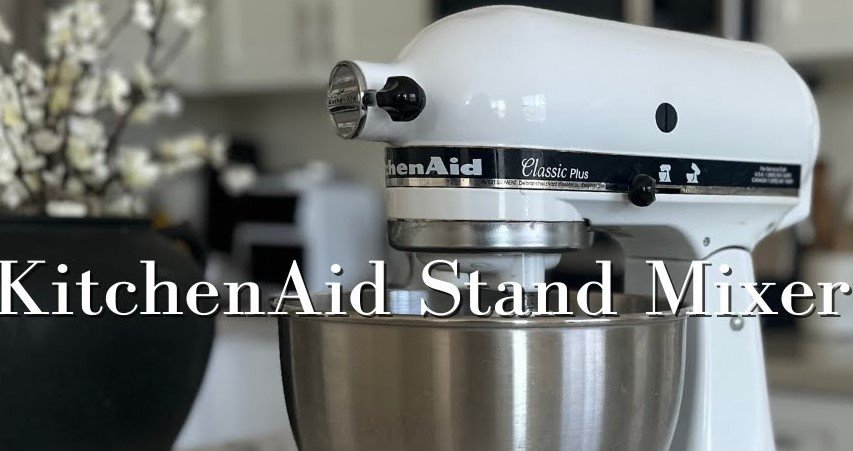
If you bake frequently, a KitchenAid stand mixer is absolutely worth the investment for its durability, power, and versatility. While the initial price tag is high, its ability to tackle heavy doughs and simplify complex tasks makes it a true kitchen workhorse for home cooks in 2026.
If you have spent any time scrolling through social media or browsing wedding registries, you have definitely seen the iconic silhouette of a KitchenAid stand mixer. It sits on countertops like a badge of honor for home bakers. As we head into 2026, the market is full of cheaper, lightweight alternatives. Yet, the KitchenAid remains the gold standard. You might be wondering: is a KitchenAid stand mixer worth it, or are you just paying for the brand name?
For many, this appliance is more than just a tool; it is a gateway to culinary creativity. Whether you are a weekend cookie baker or an aspiring sourdough bread artist, the right equipment changes everything. Let’s dive deep into why this machine has maintained its top spot in kitchens for over a century and whether it truly belongs in your home.
Key Takeaways
- Longevity: These machines are built with metal gears and high-quality components, often lasting for decades.
- Versatility: With over a dozen hub attachments, the mixer doubles as a pasta maker, meat grinder, or vegetable slicer.
- Efficiency: A KitchenAid stand mixer saves significant time and physical effort when kneading bread or whipping meringue.
- Aesthetic Appeal: Available in dozens of colors, they serve as both a functional tool and a centerpiece for your kitchen design.
- Investment Value: While expensive, they hold their resale value remarkably well compared to cheaper plastic alternatives.
📑 Table of Contents
The Anatomy of a Culinary Workhorse
When you pick up a KitchenAid stand mixer, the first thing you notice is the weight. Unlike the plastic, flimsy mixers found at big-box stores, these units are heavy. This is not a design flaw; it is a feature. The solid metal construction is what allows the machine to stay planted on your counter while you knead a dense loaf of rye bread or whip up a thick batch of cookie dough.
Why Metal Construction Matters
In 2026, many appliances are built to be replaced every few years. KitchenAid has bucked this trend by sticking to a formula that works: metal gears and a metal housing. When you are mixing, the motor needs a stable frame to transfer power efficiently. If the machine were made of lightweight plastic, it would vibrate, dance across your counter, and eventually crack under the pressure of stiff doughs.
The Power of Planetary Mixing
The magic of the KitchenAid lies in its “planetary” mixing action. As the beater rotates one way, the shaft orbits in the other direction. This ensures that the attachment touches every inch of the bowl. You do not have to stop every thirty seconds to scrape the sides, which saves you both time and frustration. It is this specific engineering that makes the KitchenAid stand mixer worth it for consistent results.
Versatility Beyond Baking
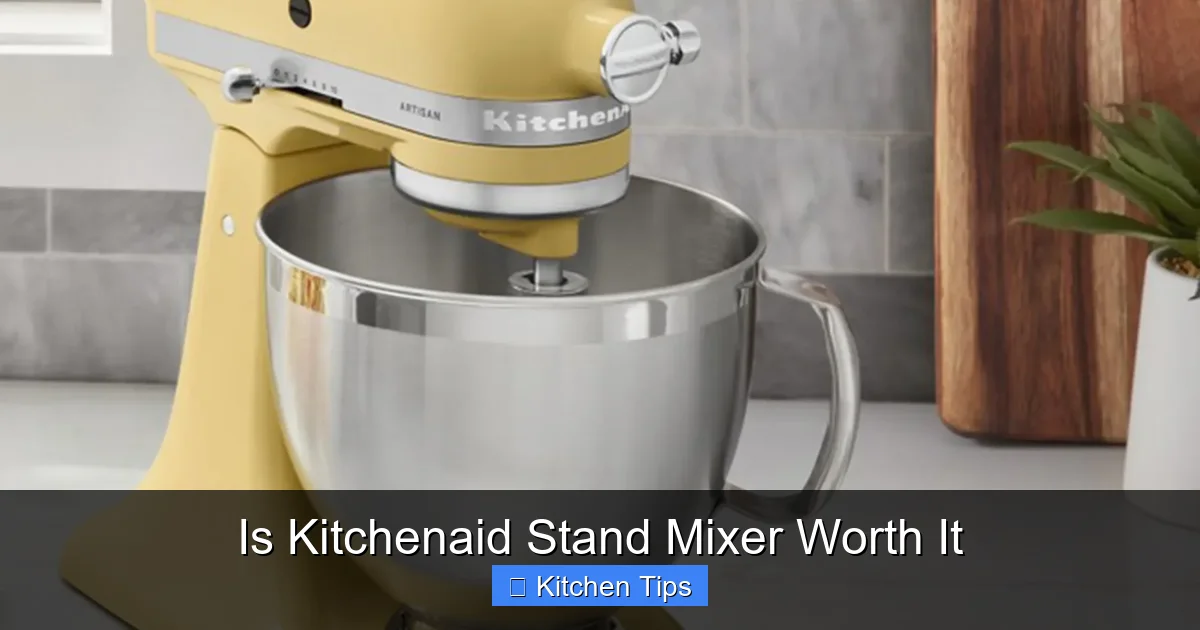
Visual guide about Is Kitchenaid Stand Mixer Worth It
Image source: res.cloudinary.com
One of the biggest arguments for buying a KitchenAid is the power hub located at the front of the machine. This is not just a mixer; it is a multi-functional culinary center. In 2026, the range of available attachments is more impressive than ever, proving that the device is a smart investment for people who do more than just bake.
Expanding Your Culinary Horizons
You can easily transform your mixer into a pasta rolling station, a meat grinder, a vegetable spiralizer, or even a grain mill. If you purchase the attachments separately, you can save valuable cabinet space. Instead of buying a standalone food processor, an ice cream maker, and a meat grinder, you utilize the one motor base you already have on your counter.
Practical Tips for Attachment Use
If you are worried about the price, think about the “cost per function.” If you only use the machine to whip egg whites, it might feel like a luxury. However, if you use the spiralizer to make zucchini noodles or the grinder to prepare fresh burgers for your family, the cost of the unit gets diluted over dozens of different meal prep tasks.
The “Baking Fatigue” Factor
We have all been there. You want to make a recipe, but the idea of hand-mixing butter and sugar for ten minutes sounds exhausting. Or, you start a bread recipe and give up because your wrists hurt from kneading. This is where the KitchenAid truly shines. It removes the physical barrier to baking.
Efficiency in the Kitchen
When you own a reliable stand mixer, you find yourself baking more often. It takes the “work” out of the workout. You can toss your ingredients into the bowl, turn it to a low setting, and walk away to preheat your oven or wash your dishes. This hands-off approach allows you to multitask effectively, which is essential for busy families in 2026.
Consistency and Precision
Hand-mixing is prone to human error. Sometimes you under-mix, leading to pockets of flour in your batter. Other times, you might over-mix, resulting in tough cakes. The KitchenAid provides a consistent level of aeration and blending that is difficult to replicate by hand. If you take your baking seriously, this level of precision is a major game-changer.
Is the Price Tag Justified?
Let’s be honest: these machines are not cheap. If you are comparing a $300 to $500 appliance against a $50 hand mixer, the difference is jarring. However, value is measured over time. A cheap plastic mixer will likely break within two or three years of heavy use. In contrast, it is common to find people who are still using their grandmother’s KitchenAid from the 1980s.
The Longevity Argument
When you amortize the cost over twenty years, the KitchenAid becomes one of the most affordable appliances you will ever own. It is a “buy once, cry once” purchase. By investing in quality now, you avoid the cycle of buying, breaking, and replacing cheap appliances, which is better for both your wallet and the environment.
Resale Value
Another point that makes the KitchenAid stand mixer worth it is its incredibly high resale value. Because the brand is iconic and durable, these machines hold their value on the secondary market. If you ever decide to upgrade to a larger bowl size or a different color, you can easily sell your old unit to someone else. Very few kitchen appliances can claim that kind of longevity and market demand.
Design and Aesthetic Appeal
Kitchen appliances are no longer hidden in cabinets. In 2026, modern kitchens are designed for display. The KitchenAid stand mixer comes in a dizzying array of colors, from matte black and stainless steel to bright blues and soft pinks. It acts as an anchor for your kitchen aesthetic.
A Kitchen Centerpiece
Because the machine is quite heavy, most people leave it out on the counter. This encourages you to use it. If your tools are hidden in a dark pantry, you are less likely to pull them out for a quick recipe. Having your mixer visible serves as a visual reminder that you have the tools to create something delicious.
Choosing the Right Size
If you are deciding which model to get, consider your household size. A 5-quart tilt-head model is perfect for the average home baker, while the larger bowl-lift models are better for those who frequently bake massive batches of bread or cookies. Pick the size that fits your lifestyle so you get the most out of your purchase.
Conclusion: The Verdict
So, is a KitchenAid stand mixer worth it? If you value quality, efficiency, and long-term durability, the answer is a resounding yes. While it represents a significant upfront cost, it is an investment in your kitchen capabilities. It simplifies complex tasks, expands your cooking possibilities through attachments, and looks beautiful on your counter.
In 2026, when convenience is king, having a tool that lasts decades while making your life easier is a rare find. You are not just paying for a mixer; you are paying for the freedom to bake at a moment’s notice without the physical strain. Whether you are a seasoned baker or just starting your journey, this machine is a companion that will grow with you. If you are ready to stop struggling with hand mixers and start creating professional-grade treats, the KitchenAid is the right move for your kitchen.
Frequently Asked Questions
Do I really need a stand mixer if I only bake occasionally?
If you only bake once or twice a year, a high-quality hand mixer may suffice. However, if you find that manual mixing stops you from starting projects you’d love to try, the stand mixer is worth it for the convenience alone.
Are the attachments compatible with older models?
Yes, one of the best features of the KitchenAid is that most attachments fit the power hub of almost all models manufactured since 1919. This means your investment is future-proofed.
Is the bowl-lift or tilt-head model better?
Tilt-head models are generally easier to use for beginners and are better for smaller batches. Bowl-lift models are more powerful and stable, making them ideal for heavy doughs like bread or large quantities of cookies.
How difficult is it to clean the machine?
Cleaning is relatively straightforward, as the stainless steel bowls and flat beaters are dishwasher safe on most models. The base simply needs to be wiped down with a damp cloth after use.
Will a KitchenAid mixer help me bake better bread?
Absolutely. Kneading heavy bread dough by hand is physically taxing and often inconsistent, while the mixer provides steady, constant pressure to develop gluten perfectly every time.
Does the machine come with a warranty?
KitchenAid typically offers a one-year or even a five-year limited warranty depending on the specific model and promotion. Their customer service is widely regarded as some of the best in the small appliance industry.