
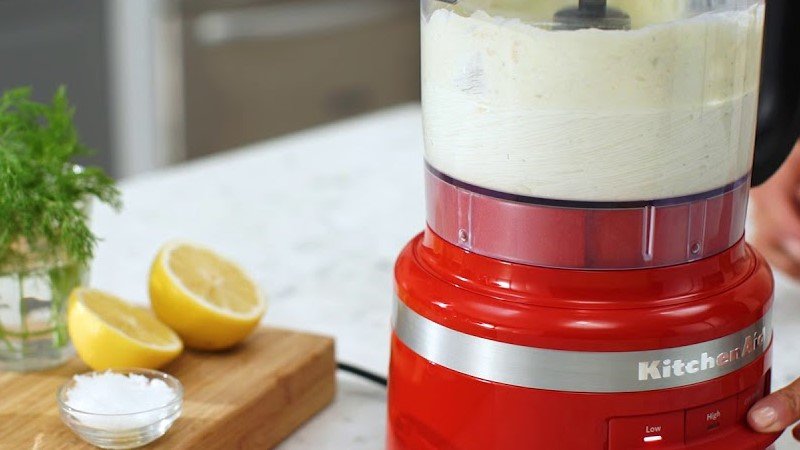
Learning how to use a KitchenAid chopper is a game-changer for your daily meal prep routine. By mastering the pulse function and blade assembly, you can effortlessly chop, mix, and puree ingredients in seconds. Follow this guide to get the best results while keeping your kitchen routine safe and efficient.
Welcome to your ultimate kitchen upgrade. If you have ever felt like you spend way too much time standing at the counter with a knife, you are in the right place. Learning how to use a KitchenAid chopper is one of the smartest skills you can add to your culinary toolkit. Whether you are prepping for a big dinner or just trying to get a quick Tuesday night meal on the table, this tool is your new best friend.
In 2026, the modern kitchen is all about efficiency and ease. We want food that tastes great, but we do not want to spend hours doing the grunt work. The KitchenAid chopper is designed to take the heavy lifting out of chopping, mincing, and pureeing. Once you understand the rhythm of your machine, you will find yourself reaching for it every single time you cook.
Key Takeaways
- Assembly Matters: Always ensure the blade locks onto the center post firmly before adding ingredients to your KitchenAid chopper.
- Pulse for Control: Use short pulses rather than holding the button down to avoid turning your vegetables into mush.
- Don’t Overfill: Only fill the bowl to the halfway mark to ensure even chopping results across all ingredients.
- Smart Cleanup: Hand wash the blade immediately after use to maintain its sharpness and prevent food buildup.
- Liquid Versatility: Use the drizzle basin on the lid to emulsify dressings and sauces while the chopper is running.
Understanding Your KitchenAid Chopper Components
Before you start chopping, take a moment to get to know your machine. Most models consist of three main parts: the motor base, the work bowl, and the stainless steel blade. Understanding how these fit together is the first step in learning how to use a KitchenAid chopper effectively.
The Motor Base
The motor base is the engine of your device. It is where all the power comes from. Make sure you keep the base dry and on a stable, flat surface while you work. If it wobbles, it can be dangerous. Always check that the cord is in good shape before plugging it into a standard outlet.
The Blade and Bowl
The stainless steel blade is incredibly sharp. Always handle it by the plastic hub at the center. When you place it on the center post of the bowl, give it a little twist to make sure it is seated properly. The bowl should snap into the base with a secure click. If it does not click, the machine will not turn on. This is a built-in safety feature, so do not force it.
Mastering the Pulse Technique
The secret to perfect results when learning how to use a KitchenAid chopper is the pulse button. Beginners often make the mistake of holding the button down for too long. When you do that, you lose control over the texture of your ingredients.
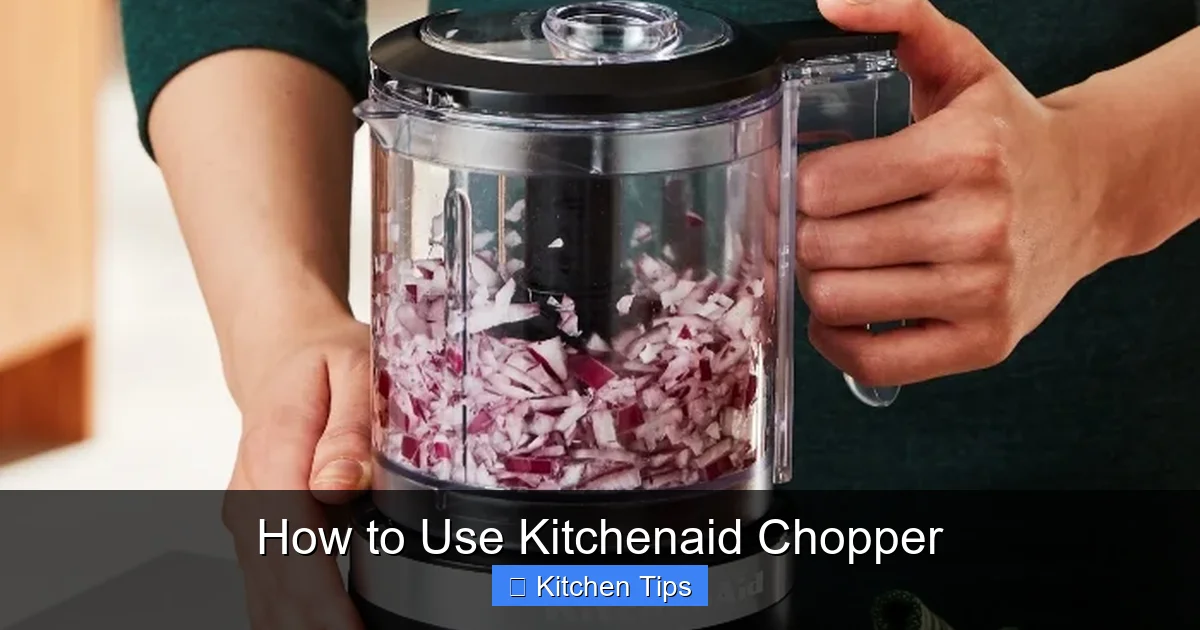
Visual guide about How to Use Kitchenaid Chopper
Image source: images.ctfassets.net
Why Pulse Instead of Hold?
Pulsing gives you the precision to stop exactly when your food reaches the desired consistency. If you want a chunky salsa, two or three short pulses are perfect. If you want to make a smooth hummus, you can keep going. By pulsing, you allow the ingredients to fall back down to the blades, ensuring nothing gets stuck on the sides.
Practical Examples for Beginners
Try this: Place some peeled garlic cloves into the bowl. Press the button for one second and release. Look at the size of the pieces. If they are still too big, pulse for another second. You will see how quickly you can turn a whole clove into minced garlic without any of the sticky mess on your hands.
Prep Tips for Uniform Chopping
Even the best machine needs a little help from you. To ensure your ingredients are processed evenly, you need to prepare them before they hit the bowl. This is a vital part of learning how to use a KitchenAid chopper like a professional.
Size Matters
Do not throw giant chunks of vegetables into the chopper. Cut your onions, peppers, or carrots into uniform, one-inch pieces first. When all the pieces are roughly the same size, they will chop at the same speed. This prevents some pieces from becoming a puree while others remain large chunks.
Don’t Overload the Machine
It is tempting to try and chop everything at once, but resist the urge. Filling the bowl to the top will cause the machine to struggle. Keep your ingredients below the maximum fill line. When you have a lot to prep, just work in batches. It is faster to do two small, efficient batches than one big, uneven one.
Using the Drizzle Basin for Dressings
One of the most underrated features of the KitchenAid chopper is the drizzle basin located on the lid. This small opening allows you to add liquids like oil, lemon juice, or vinegar while the blade is spinning. This is a game-changer for making homemade dressings and emulsified sauces.
Creating Creamy Emulsions
To make a quick vinaigrette, place your herbs and garlic in the bowl. Pulse a few times to break them down. Then, while the machine is running, slowly pour your olive oil through the drizzle basin. The constant movement of the blade will whip the oil and vinegar together into a thick, restaurant-quality dressing.
Other Liquid Applications
You can also use this feature for making dips or baby food. If you are blending cooked vegetables and need a bit of broth to reach the right consistency, the drizzle basin makes it easy to add liquid without stopping the machine or removing the lid.
Cleaning and Maintenance
If you want your chopper to last for years, you need to treat it well. Cleaning is the most important part of learning how to use a KitchenAid chopper properly. Because the blades are sharp and the seals can be delicate, proper care is essential.
Immediate Cleanup
As soon as you are done, take the blade out and rinse it under warm water. If you let food dry on the blade, it becomes much harder to clean later. A quick rinse and a drop of dish soap go a long way.
Dishwasher Safety
While most work bowls are top-rack dishwasher safe, I personally recommend hand washing them. High heat in the dishwasher can sometimes warp plastic over time. Hand washing keeps the bowl clear and free of scratches, keeping your machine looking brand new for years.
Creative Ways to Use Your Chopper
Once you get comfortable with the basics, start experimenting. Your chopper can do much more than just chop onions. Here are some fun ways to use your device every day.
Homemade Breadcrumbs
Have some stale bread sitting on the counter? Toast it for a few minutes and toss it in your chopper. Pulse until you have fine, golden breadcrumbs. It is much cheaper and tastier than the store-bought kind.
Nuts and Toppings
Need chopped walnuts for a salad or a brownie topping? Pulse them for one or two seconds. It is much faster than using a knife and a cutting board, and you get a very consistent texture every time.
Learning how to use a KitchenAid chopper is a simple way to make your time in the kitchen more enjoyable. Start with the basics, focus on your technique, and do not be afraid to try new recipes. With a little practice, you will find that you can prep meals in a fraction of the time. Enjoy the freedom of a faster, easier cooking process!
Frequently Asked Questions
Can I chop meat in my KitchenAid chopper?
Yes, you can chop lean, boneless meat in small quantities. Make sure to cut the meat into small cubes and keep it very cold before processing to get the best texture.
Why is my chopper not turning on?
Usually, the bowl or lid is not locked into place properly. Check that the bowl is clicked into the base and that the lid is fully snapped shut to engage the safety mechanism.
Can I use the chopper for hot liquids?
It is best to let hot ingredients cool slightly before processing. Hot liquids can create pressure in the bowl, which might cause the lid to pop off during use.
Is it okay to crush ice in the chopper?
Standard kitchen choppers are generally not designed for crushing ice. Stick to chopping vegetables, herbs, and nuts to avoid damaging the blades or burning out the motor.
How do I remove strong onion or garlic smells?
A simple trick is to wash the bowl with a paste made of baking soda and water. Let it sit for a few minutes before rinsing to neutralize those stubborn lingering odors.
What should I do if the blade gets stuck?
Always unplug the device before reaching in to move the blades. If the blade is stuck, you have likely overloaded the bowl; remove a few pieces of food and try again in smaller batches.