
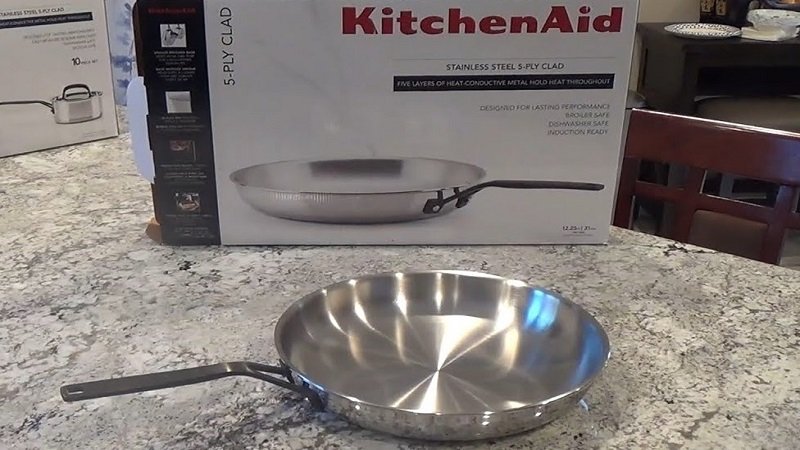
KitchenAid stainless steel pans are a solid, reliable choice for home cooks looking for a balance between professional performance and daily convenience. They offer excellent heat distribution and a sleek, durable design that holds up well under regular use in a 2026 home kitchen.
If you have spent any time scrolling through cooking blogs or walking down the aisles of a home goods store in 2026, you have definitely seen the KitchenAid brand. They are famous for their iconic stand mixers, but what about their cookware?
Specifically, are KitchenAid stainless steel pans good for the way you cook every day? It is a question I get asked constantly by friends who are trying to upgrade their kitchen arsenal without spending a fortune.
Choosing the right cookware is one of the most important decisions a home cook can make. You want something that will last, something that looks nice sitting on your stove, and most importantly, something that makes your food taste better.
Stainless steel is the gold standard for many professionals because of its durability and reaction to heat. Let’s dive deep into whether KitchenAid stainless steel pans live up to the hype and belong in your cabinet.
Key Takeaways
- Durability: These pans are built with high-quality stainless steel that resists rust and warping even after years of cooking.
- Heat Control: The aluminum-clad base ensures even heating, preventing annoying hot spots that burn your food.
- Versatility: Most models are oven-safe and induction-compatible, making them perfect for complex, multi-step recipes.
- Ease of Use: Despite being stainless steel, they are designed with ergonomics in mind, featuring handles that stay cool and comfortable grips.
- Affordability: They provide a “professional-grade” experience without the premium price tag often associated with luxury culinary brands.
- Maintenance: While not non-stick, these pans respond well to proper preheating techniques, making them easy to clean if handled correctly.
Understanding the Construction of KitchenAid Pans
The Science of Cladding
The first thing to look at when evaluating a stainless steel pan is how it is built. KitchenAid stainless steel pans are generally multi-clad or have a thick, encapsulated base. This means they sandwich a layer of aluminum between layers of high-quality stainless steel.
Why does this matter? Stainless steel by itself is actually a pretty poor conductor of heat. It is great for durability, but on its own, it would create hot spots that burn your food in one area while leaving it raw in another.
By adding that aluminum core, KitchenAid ensures that the heat spreads quickly and evenly across the bottom and up the sides of the pan. When you are searing a steak or simmering a delicate sauce, this even distribution is your best friend. In 2026, KitchenAid has refined these processes to ensure that their pans are lighter than the heavy professional lines but still just as effective at managing temperature.
Durability and Material Quality
When you hold a KitchenAid stainless steel pan, you can feel the weight. It isn’t flimsy. This is a crucial point because cheap pans tend to warp if they are exposed to high heat too quickly.
KitchenAid uses high-grade steel that is resistant to pitting and staining. If you take basic care of these pans, they are designed to last for many years. They handle the “bumping and banging” of a busy family kitchen quite well.
Performance in the Real World
Searing and Browning Perfection
If you want those beautiful, dark brown crusts on your chicken thighs or a perfect sear on a piece of salmon, stainless steel is the way to go. Are KitchenAid stainless steel pans good at this? Absolutely. Because they hold heat so well, they allow you to maintain a consistent high temperature. Many users find that they get results almost identical to much more expensive restaurant-grade pans.
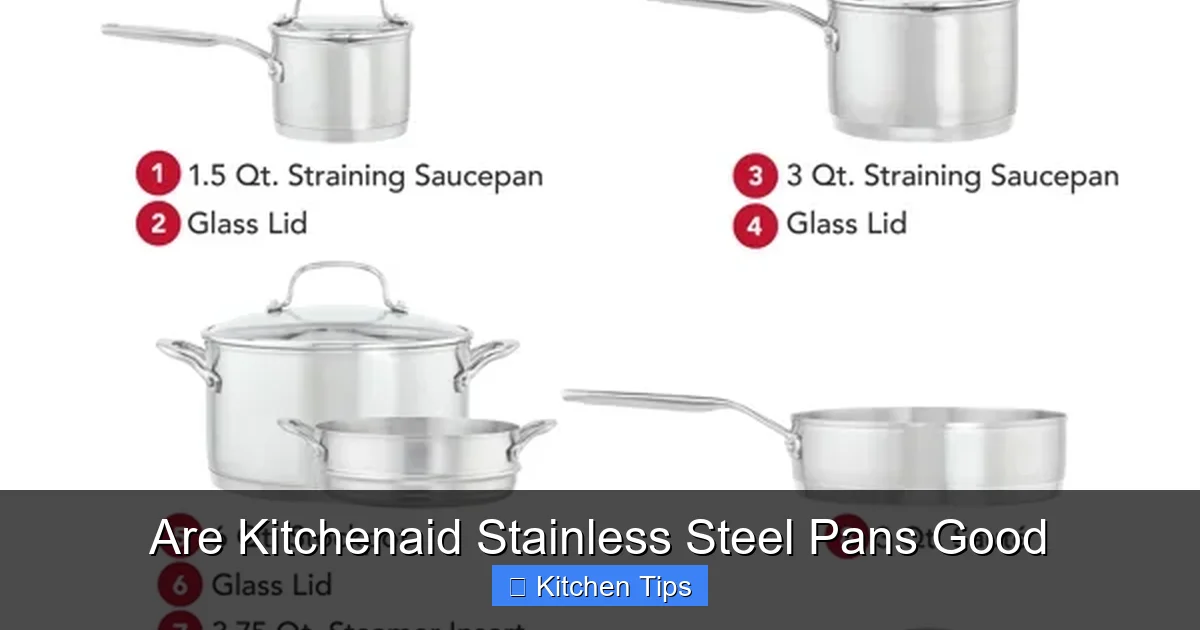
Visual guide about Are Kitchenaid Stainless Steel Pans Good
Image source: assets.wfcdn.com
The key, as with any stainless steel, is to preheat your pan properly. Don’t just throw the oil in a cold pan. Let it get warm, add your oil, and wait until it shimmers. If you follow this simple rule, you will find that KitchenAid stainless steel pans perform beautifully, releasing food once the crust has properly formed.
Versatility Across Heat Sources
Modern kitchens in 2026 are diverse. Some people have gas stoves, some have electric, and induction is becoming more popular than ever. KitchenAid has clearly considered this when designing their cookware.
Most of their stainless steel lines are induction-ready because of the magnetic properties of the exterior steel used in the base. Whether you are moving from a small apartment to a house or upgrading your stove, these pans will likely stay with you.
Furthermore, they are almost universally oven-safe. This is a game-changer. Imagine starting a frittata on the stovetop to set the bottom and then finishing it in the oven to puff up the top. With these pans, you can do that with total confidence. Just be sure to double-check the temperature rating on the specific handle design, as some might have different heat tolerances.
Ergonomics and Design Aesthetics
Handles and Balance
A pan can cook perfectly, but if it is uncomfortable to hold, you won’t want to use it. KitchenAid places a high priority on ergonomics. Their handles are typically riveted, which means they are attached with permanent metal pins rather than screws that can loosen over time. This gives the pan a sturdy, “one-piece” feel that inspires confidence when you are flipping ingredients or pouring liquids.
Many of their models feature “stay-cool” handle designs. While you should always keep a kitchen towel nearby, these handles are designed to dissipate heat more effectively than solid metal handles. The balance of the pan is also worth mentioning. They feel centered, meaning your wrist doesn’t get tired when you are moving a full pan from the burner to the sink.
Style for the Modern Kitchen
Let’s be honest: we want our kitchens to look good. KitchenAid is famous for its aesthetic appeal. Their stainless steel pans feature a classic, polished finish that looks sophisticated on any stove. Whether you have a modern industrial kitchen or a cozy farmhouse space, these pans fit right in. They don’t look like cheap, utilitarian tools; they look like a deliberate part of your home decor.
Maintenance: Keeping Them Like New
The Truth About Cleaning
One of the most common complaints about stainless steel is that food sticks or that it is hard to clean. This is usually a technique issue, not a pan issue. If you do get stuck-on food, don’t scrub it with steel wool immediately. Instead, add a little water and a drop of dish soap to the pan and let it simmer for a few minutes. The food will lift right off.
For those occasional heat stains or rainbow-colored discolorations – which are perfectly normal you can use a dedicated stainless steel cleaner or even a simple paste of baking soda and water. With just a little bit of care, your KitchenAid pans will look as shiny in 2030 as they do when you pull them out of the box in 2026.
Dishwasher Safety
Are KitchenAid stainless steel pans good for busy people? Yes, mostly because many are dishwasher safe. However, I always recommend hand-washing whenever possible. The high heat and harsh detergents in modern dishwashers can sometimes dull the finish over time. If you want to keep that mirror-like shine, a quick hand wash with a soft sponge is the best path forward.
Comparing Value: Is It Worth the Price?
Price vs. Performance
There are ultra-premium brands that sell individual skillets for hundreds of dollars. While those pans are fantastic, they are often overkill for the average home cook. KitchenAid stainless steel pans sit in that perfect “sweet spot.”
They are high-quality, reliable, and durable enough for daily use, but they don’t cost a month’s salary. You are paying for a brand that understands the kitchen, and the value-to-performance ratio is excellent.
The Investment Factor
When you buy a set of these pans, you aren’t just buying kitchen equipment; you are buying the ability to cook better meals. Because they heat evenly, you will likely burn fewer things. Because they are durable, you won’t be heading to the store to replace them every eighteen months. In the long run, investing in decent steel like this saves you money and reduces waste.
Conclusion
So, are KitchenAid stainless steel pans good? The answer is a resounding yes. They represent a smart balance of technology, durability, and style. For the vast majority of home cooks in 2026, they offer professional-level results without the professional-level price tag. They handle heat well, they are easy to maneuver, and they look great on the stovetop.
If you are looking to take your cooking to the next level, or if you are tired of pans that warp and food that cooks unevenly, making the switch to a set of KitchenAid stainless steel pans is a decision you likely won’t regret. Treat them with a little bit of respect, learn the basics of temperature control, and you will be enjoying perfectly seared meals for years to come.
Frequently Asked Questions
Are KitchenAid stainless steel pans dishwasher safe?
Yes, most KitchenAid stainless steel pans are dishwasher safe. However, for long-term maintenance of the exterior finish, hand washing with mild soap is recommended.
Do I need to season my stainless steel pans?
No, stainless steel pans do not require seasoning like cast iron. You simply need to preheat the pan properly before adding your oil to prevent sticking.
Can I use metal utensils on these pans?
Yes, stainless steel is very durable and can handle metal utensils. However, using silicone or wooden tools will help keep the surface looking newer for longer.
Are these pans compatible with induction cooktops?
Most modern KitchenAid stainless steel cookware is induction-compatible. Check the bottom of the pan for an induction symbol to be sure.
Why is my food sticking to my stainless steel pan?
Sticking usually happens because the pan is not preheated enough or the food is added while still cold. Ensure the pan is hot enough so that a drop of water sizzles and dances before adding your oil.
How do I remove heat stains or brown spots?
A simple paste made of baking soda and water, or a specialized stainless steel cleaner, will easily remove discoloration. These marks are cosmetic and do not affect the performance of the pan.