
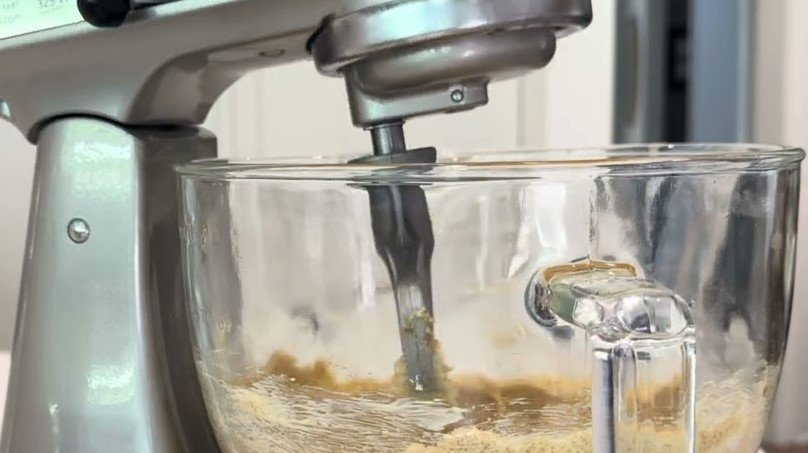
Most stainless steel KitchenAid mixing bowls are dishwasher safe, but many specialty finishes and non-stick coatings are not. Always check your specific model’s manual to prevent damage, discoloration, or loss of your warranty. When in doubt, hand washing is the safest way to maintain the longevity and shine of your equipment.
If you are a fan of baking, your KitchenAid stand mixer is likely the workhorse of your kitchen. After spending an hour whipping up a batch of sourdough or folding ingredients for a delicate cake, the last thing you want to do is spend another fifteen minutes scrubbing a sticky, flour-coated mixing bowl. It is the age-old question that plagues every home baker: are KitchenAid mixing bowls dishwasher safe?
The answer is not a simple yes or no. In the world of kitchen appliances, “safe” is often a relative term. While modern convenience often pushes us toward the dishwasher, your mixer bowl is a precision tool that deserves a bit of respect. As we look at the appliance landscape in 2026, we have more variety than ever before—from classic stainless steel to trendy ceramic and glass. Navigating which ones can handle the dishwasher cycle is essential for maintaining your investment.
Key Takeaways
- Material Matters: Stainless steel is generally dishwasher safe, but copper, ceramic, and coated bowls require hand washing.
- Check the Base: Look for the “dishwasher safe” stamp on the bottom of your bowl to be 100% sure.
- High Heat Risks: The intense heat and harsh detergents of a dishwasher can strip non-stick coatings and dull polished finishes.
- Avoid Scratches: Place bowls in the dishwasher so they do not bang against other metal items, which can cause surface marring.
- The Warranty Factor: Using a dishwasher on a non-dishwasher-safe accessory may void your manufacturer warranty.
- Hand Washing is Safer: A simple scrub with warm soapy water and a soft cloth is the best way to extend the lifespan of any mixing bowl.
Understanding Your Bowl Material
The first step in determining if your bowl can survive the dishwasher is identifying exactly what it is made of. KitchenAid has expanded their accessory line significantly over the years, and the material dictates the care routine. Not all metal is created equal, and ceramic behaves very differently under high heat.
The Classic Stainless Steel Standard
For the vast majority of users, the standard polished stainless steel bowl is the default. These are built to be tough. In most cases, these bowls are dishwasher safe. They are designed to withstand the heat and the abrasive nature of modern dishwasher detergents. If your bowl has a simple, shiny surface, it can usually go through a cycle without any issues.
However, keep an eye out for “special” stainless steel. Some bowls come with brushed finishes or unique exterior textures. While the inside might be safe, the outside finish can occasionally show water spots or dulling if subjected to heavy-duty wash cycles repeatedly. If you want to keep that professional shine, you might still prefer to hand wash them.
Ceramic and Glass Bowls
Ceramic bowls have become incredibly popular in the last few years. They are beautiful, heavy, and serve as perfect mixing and serving vessels. However, they are also more delicate than steel. Most KitchenAid ceramic bowls are dishwasher safe, but they are prone to chipping if they bang against other plates or glasses in the rack. Always place them in the top rack where they have plenty of room.
Glass bowls are another story. While they are usually dishwasher safe, they are heavy. You must ensure they are positioned correctly so they do not tip or strike other items. One tip for 2026 bakers: inspect glass bowls for tiny hairline fractures before loading them. The heat of a dishwasher can cause these microscopic cracks to expand, leading to a broken bowl.
The Hidden Dangers of Dishwashers
Even if a manufacturer says a product is dishwasher safe, “safe” does not always mean “undamageable.” There are several environmental factors inside your dishwasher that can compromise your bowl over time. Understanding these can help you decide if the risk is worth the convenience.
Visual guide about Are Kitchenaid Mixing Bowls Dishwasher Safe
Image source: down-vn.img.susercontent.com
The Role of Detergent Harshness
Modern dishwasher pods are incredibly concentrated. They contain enzymes and chemicals designed to break down stuck-on food and grease. While this is great for plates, it can be quite aggressive on specialized surfaces. If you have a bowl with a non-stick coating or a painted exterior, these harsh detergents can cause the coating to flake or the paint to chip away over time.
The Intensity of Heat Cycles
Your dishwasher uses high-temperature water to sanitize your dishes. While this is great for hygiene, extreme heat can cause expansion and contraction in certain materials. If you have a bowl with a composite base or a rubberized handle, the constant cycling between hot and cold can weaken the adhesives holding those pieces together. Over several months, you might find that your bowl’s handle begins to wobble or the base starts to loosen.
When to Definitely Avoid the Dishwasher
There are specific types of KitchenAid mixing bowls that should never, under any circumstances, see the inside of a dishwasher. If you own any of the following, keep them far away from the steam and spray of your machine.
Coated and Painted Bowls
KitchenAid offers stunning bowls in various colors, from matte black to metallic gold. These finishes are decorative. The extreme heat and the mechanical scrubbing action of the dishwasher will strip the finish, leading to a patchy, unattractive appearance. If you love the look of your colored bowl, hand washing is mandatory.
Copper or Copper-Plated Bowls
Copper is a reactive metal. It is beautiful, but it requires a very specific maintenance routine. Dishwashers will almost certainly cause copper bowls to oxidize or tarnish quickly. Once the copper finish is damaged by harsh dishwasher detergents, it is very difficult to restore it to its original luster.
Practical Cleaning Tips for Your Bowls
If you want your equipment to last for decades, there is a middle ground between convenience and preservation. You do not have to spend all day scrubbing, but a few smart habits will keep your bowls looking like new in 2026 and beyond.
The “Rinse Immediately” Rule
The biggest reason people reach for the dishwasher is dried-on batter. If you rinse your bowl with warm water immediately after you finish mixing, the cleanup process becomes trivial. Use a soft sponge and a mild soap to wipe out the residue before it has a chance to harden. If you do this, you might find you don’t even need the dishwasher at all.
Selecting the Right Cleaning Tools
Avoid steel wool or abrasive scouring pads at all costs. Even on stainless steel, these can leave tiny scratches that eventually become magnets for food particles. Use a soft microfiber cloth or a gentle nylon brush. For stubborn dough, let the bowl soak for ten minutes in warm, soapy water rather than trying to scrub it off aggressively.
Storage Considerations
Cleaning is only half the battle. How you store your bowls matters, too. Do not stack them tightly if they are prone to scratching. If you have multiple bowls, place a soft paper towel or a silicone mat between them to prevent the bottoms from marking the interiors. Taking care of the surfaces helps ensure that when you do need to wash them, they are easier to clean.
The Verdict: Is It Worth the Risk?
At the end of the day, most stainless steel bowls are perfectly safe to toss in the dishwasher. If you are a busy home baker, the time you save is valuable. However, if you have invested in a premium ceramic, glass, or decorative metallic bowl, hand washing is the better choice. It protects your investment and ensures that your mixer remains a centerpiece in your kitchen rather than a collection of worn-out parts.
Consider your personal routine. If you are baking every single day, the convenience of the dishwasher is a significant factor. If you bake occasionally, hand washing provides the peace of mind that comes with knowing your equipment will stay in pristine condition. As we continue through 2026, the best approach is to follow the manufacturer’s specific manual for your model number. When in doubt, let the sink do the work.
Conclusion
Keeping your KitchenAid mixing bowls clean is a simple task if you know the rules of the road. While the convenience of the dishwasher is tempting, it isn’t always the best path for every type of bowl. By identifying your material, avoiding harsh cleaners on specialty coatings, and adopting a “rinse-first” mindset, you can keep your kitchen tools in top shape for years.
Remember that your mixer is more than just a tool—it is an investment in your creativity. A little extra care today prevents the need for replacements tomorrow. Whether you are a professional pastry chef or a weekend hobbyist, respecting your tools will always pay off in the quality of your bakes. Happy mixing, and may your clean-up be as smooth as your frosting.
Frequently Asked Questions
Are all KitchenAid stainless steel bowls dishwasher safe?
Most standard polished stainless steel bowls are dishwasher safe. However, always check the bottom of your bowl for a stamp or refer to your specific model’s user manual to be certain.
Can I put my ceramic KitchenAid bowl in the dishwasher?
Most ceramic bowls are dishwasher safe, but they are more susceptible to chipping than metal. It is highly recommended to place them in the top rack, away from other heavy dishes, to prevent damage.
Will dishwasher detergent ruin the finish of my colored bowl?
Yes, many colored, metallic, or coated finishes are not designed to withstand the harsh chemicals in dishwasher pods. To keep the color vibrant and intact, you should hand wash these bowls.
What should I do if my bowl has stubborn, dried-on dough?
Instead of relying on the dishwasher, soak the bowl in warm, soapy water for 10 to 15 minutes. This will loosen the dough, allowing you to wipe it clean with a soft sponge without damaging the finish.
Does the dishwasher heat affect the bowl’s handle?
If your bowl has a handle with a rubber or plastic grip, the high heat of a dishwasher can eventually cause the adhesive to weaken or the material to warp. Hand washing is safer for models with composite handles.
Is it better to hand wash to extend the life of the bowl?
Yes, hand washing is almost always better for the longevity of your mixing bowl. It prevents abrasive scrubbing, protects decorative finishes, and ensures that the structural integrity of the bowl remains perfect over time.