
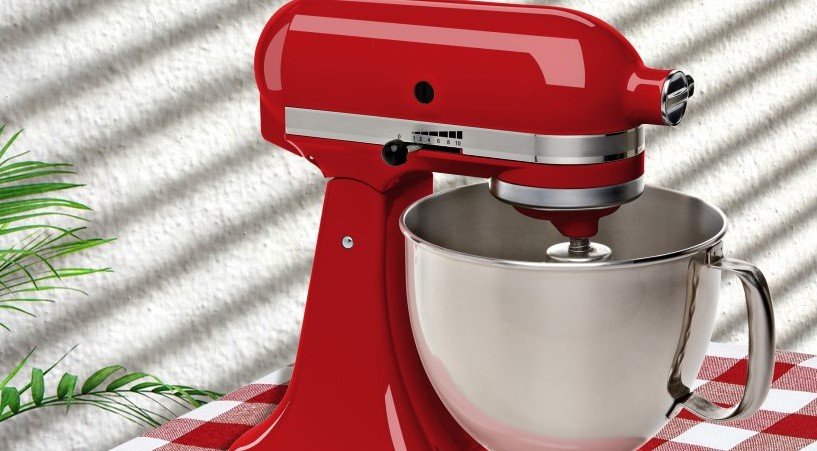
KitchenAid stand mixers are legendary for a reason, blending professional-grade performance with timeless aesthetics. While the price tag is steep, you are paying for heavy-duty metal construction, decades of reliability, and a versatile ecosystem of attachments.
Key Takeaways
- Industrial Build Quality: These machines use all-metal gears and heavy-duty motors designed to last for generations, unlike plastic alternatives.
- Brand Legacy: A KitchenAid is a status symbol and a reliable workhorse that rarely loses its resale value on the secondary market.
- Versatility through Attachments: The power hub allows the mixer to transform into a pasta maker, meat grinder, or vegetable spiralizer.
- Engineering Excellence: The planetary mixing action ensures every part of the bowl is reached, reducing the need to scrape sides.
- Long-term Value: Due to their durability and parts availability, these mixers often function for 30 to 40 years, justifying the high initial investment.
Introduction
If you have spent any time browsing culinary blogs or walking through high-end appliance stores in 2026, you have probably found yourself staring at a shiny, colorful stand mixer. You might have asked yourself, “Why are Kitchen Aids so expensive?” It is the million-dollar question for every home baker. When you see a price tag that sits well above five hundred dollars, it is natural to wonder if you are paying for the brand name or if there is something truly special happening under the hood.
The truth is that these iconic mixers are not just trendy kitchen décor. They are pieces of heavy-duty machinery designed to handle tasks that would burn out a standard hand mixer in seconds. Whether you are kneading thick sourdough or whipping delicate meringue, the engineering behind these machines is deliberate and intense. Let’s look at why these mixers remain the gold standard in kitchens worldwide and why their high price point is actually a smart investment for the serious cook.
The Engineering Behind the Power
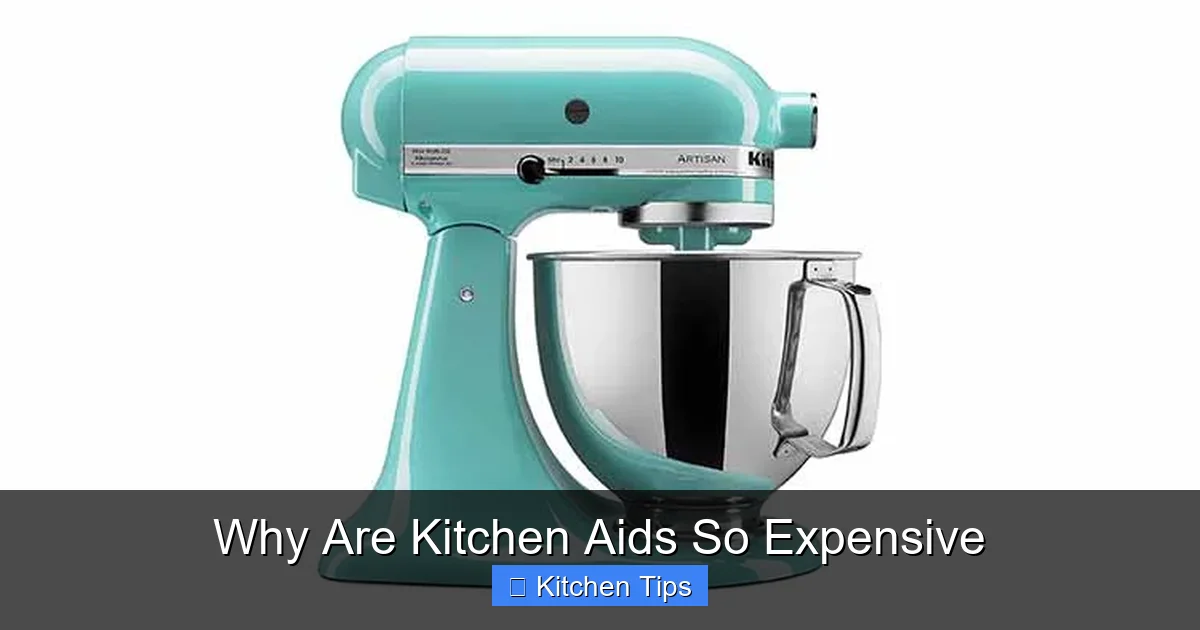
Visual guide about Why Are Kitchen Aids So Expensive
Image source: thedoughacademy.com
All-Metal Construction
One of the primary reasons why are Kitchen Aids so expensive is the materials used. In an era where many appliances are made of thin, lightweight plastic, KitchenAid stays committed to die-cast metal. When you lift one, you feel the heft immediately. This weight is not an accident. It provides stability during high-speed mixing, ensuring that your machine does not “walk” across the counter when dealing with stiff pizza dough.
Precision Gear Systems
Inside every mixer, there is a complex system of gears. Unlike cheaper models that rely on plastic gears that can strip or melt under pressure, KitchenAid uses hardened metal gears. This allows the motor to translate its power directly into the attachment without losing efficiency. This level of internal craftsmanship ensures that the machine remains silent and smooth even after years of heavy use.
The “Planetary” Mixing Difference
How It Works
When we discuss performance, we have to talk about the “planetary” mixing action. This is a signature feature of the brand. While the beater rotates in one direction, the head of the mixer rotates in the opposite direction. This complex movement reaches sixty-seven different points within the bowl. This is why you rarely need to stop your mixer to scrape the sides.
Efficiency and Consistency
By ensuring the bowl is wiped clean by the attachment, the mixer guarantees that all ingredients are incorporated evenly. For professional bakers, consistency is everything. If you are making macarons or delicate pastries, having an even distribution of air and ingredients is the difference between a flop and a masterpiece. This level of precise engineering is difficult to manufacture, which adds to the final cost.
Durability and Long-Term Value
The Legacy of Longevity
When people ask “why are Kitchen Aids so expensive,” they often fail to consider the lifespan of the machine. Most small appliances are viewed as disposable. If a twenty-dollar hand mixer breaks after two years, you buy another one. A KitchenAid, however, is built to be passed down through generations. It is quite common to find units from the 1980s still running perfectly in kitchens today.
Repairability Over Replacement
Another factor is the availability of parts. Because the design has remained largely consistent for decades, you can almost always find a replacement spring, a new gear, or a fresh bowl if something happens. This “right to repair” aspect makes the mixer a lifetime companion rather than a temporary fix. When you spread the cost of the machine over thirty years of use, the daily price is actually quite low.
The Versatility of the Power Hub
A Multi-Tool for the Kitchen
The front of the mixer head features a power hub that allows you to attach a wide variety of tools. This turns your mixer into a full-scale culinary station. You can buy attachments for grinding meat, rolling out fresh pasta, spiralizing vegetables, or even juicing citrus. This modularity means you do not need to buy five different appliances that take up cupboard space.
Consolidating Your Countertop
By using the mixer as a base for all these tasks, you save space in your kitchen. Instead of owning a standalone pasta roller, a meat grinder, and a slicer, you just buy the attachments. While the attachments themselves carry a cost, they represent a significant saving compared to buying multiple high-quality standalone electric tools. This ecosystem is a major reason why the platform is so valuable to home chefs.
Brand Heritage and Aesthetics
The Iconic Design
We cannot talk about the cost without mentioning the aesthetic appeal. The KitchenAid design is an icon of mid-century modern style. It looks beautiful on a countertop. For many, the mixer is a design statement as much as a tool. The brand invests heavily in maintaining this visual identity, offering a massive array of colors that match every modern kitchen trend of 2026.
Status and Resale Value
Because of the brand’s reputation, these mixers hold their value incredibly well. If you decide you no longer want your machine after five years, you can often sell it for a significant percentage of what you originally paid. Try doing that with a cheaper, plastic alternative. The brand carries a certain prestige that signals you are serious about cooking, which helps maintain high demand in the secondary market.
Conclusion
So, why are Kitchen Aids so expensive? It boils down to a combination of heavy-duty materials, legendary engineering, and a long-term philosophy that prioritizes durability over disposable convenience. You are not just paying for a mixer; you are paying for a heritage tool that simplifies your cooking, consolidates your appliances, and stands the test of time.
While the upfront cost is undeniably high, it is an investment in your culinary future. If you bake frequently, care about the longevity of your home equipment, and want a machine that performs flawlessly every time, the price is more than justified. In 2026, when so much of what we buy is built to fail, the KitchenAid remains a refreshing reminder that sometimes, it is worth paying a premium for quality that lasts.
Frequently Asked Questions
Is a KitchenAid worth the money for a casual baker?
If you only bake once or twice a year, it might be an expensive luxury. However, if you plan on keeping it for a decade, the quality makes it a great value even for casual users.
Are there cheaper alternatives that work just as well?
There are cheaper mixers, but they often use plastic internal parts that wear out quickly. You may save money upfront but end up paying more in the long run through replacements.
Do all KitchenAid attachments fit all models?
Most attachments are universal across the stand mixer line, thanks to the standard power hub. Always check your specific model compatibility before purchasing a new attachment.
Why does the mixer have such a heavy base?
The heavy, all-metal base is essential for safety and performance. It keeps the machine stable and prevents it from vibrating or moving when kneading heavy doughs.
Can I service a KitchenAid myself?
Yes, the machine is designed to be user-serviceable. There are many tutorials available online for cleaning, lubricating, and replacing standard parts.
Does the color of the mixer affect the price?
Generally, the price is consistent across most colors. Occasionally, special edition finishes or metallic coatings may cost slightly more due to the complexity of the manufacturing process.