
The short answer is yes, most KitchenAid stand mixer attachments are designed to fit nearly every model produced since 1919. While the attachment hub is universal across almost all residential units, you should always verify the specific model number to ensure a perfect mechanical connection and optimal performance.
If you have ever stared at a shiny new pasta roller or a meat grinder in a store aisle, you have probably asked yourself: Do KitchenAid attachments fit all models? It is one of the most common questions we hear in the kitchen community. After all, nobody wants to invest in a premium accessory only to find out it does not play nice with the mixer sitting on their counter. The good news is that KitchenAid is famous for its commitment to backwards compatibility.
Since the very first stand mixer hit the market in 1919, the company has maintained a standard design for the attachment hub. This consistency is a huge reason why KitchenAid has become a kitchen staple. Whether you inherited a vintage machine from your grandmother or you just picked up the latest 2026 model, you are likely part of a long lineage of compatibility. However, there are a few nuances you need to understand to ensure you are getting the most out of your culinary gear.
Key Takeaways
- Universal Design: KitchenAid uses a “Power Hub” that has remained consistent for over a century, allowing most attachments to fit across generations.
- Attachment Types: Understand the difference between “Bowl-Lift” and “Tilt-Head” accessories, as mixing bowls and beaters are NOT always interchangeable.
- Model Verification: Always check your mixer’s model number, usually located under the base, before buying expensive specialized attachments.
- Power Limitations: While an attachment might physically fit, older or smaller models may struggle to power heavy-duty tasks like professional-grade grain milling.
- Countertop Clearance: Check your specific mixer height, especially if you have custom cabinetry, as newer attachments can add significant bulk.
- Safe Usage: Always turn the mixer off and unplug it before attempting to swap any attachment to prevent accidental activation.
Understanding the Power Hub vs. Mixing Tools
When asking, do KitchenAid attachments fit all models, it is essential to distinguish between the two types of accessories. There is a world of difference between “Power Hub” attachments and “Mixing Tools.” Confusing the two is the most common mistake new owners make.
The Power Hub Attachments
The Power Hub is located at the front of the mixer head. It is covered by a small cap, often with the KitchenAid logo. This is where you connect specialized tools like the pasta roller, the food grinder, the spiralizer, or the grain mill. Because this hub design has remained unchanged for decades, these attachments are almost universally compatible across the entire residential lineup. Whether you have a Artisan, a Classic, or an older model, the hub is ready to accept these tools.
Beaters, Hooks, and Bowls
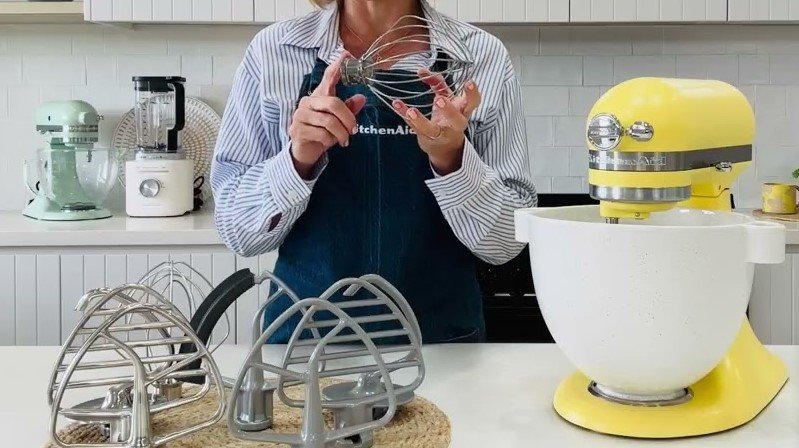
This is where things get slightly more complicated. While the Power Hub is universal, the actual mixing attachments—the paddle, the dough hook, and the wire whip—are definitely not one-size-fits-all. These tools are strictly tied to your mixer’s bowl size and its design style. For instance, the bowl and beaters for a 4.5-quart tilt-head model will not fit a 7-quart bowl-lift model. You must match your beaters to the specific size of your bowl and the mechanical attachment method of your mixer head.
Tilt-Head vs. Bowl-Lift Differences
To really master your mixer, you have to know which category your machine falls into. There are two primary body styles for home mixers: the Tilt-Head and the Bowl-Lift. Knowing which one you own is the secret to buying the right accessories.

Visual guide about Do Kitchenaid Attachments Fit All Models
Image source: cdn.apartmenttherapy.info
The Tilt-Head Model
In a tilt-head model, the head of the mixer hinges upward to allow you to swap out beaters and remove the bowl. These are generally smaller and geared toward daily home baking. Because the geometry of the bowl is fixed to the base, the specific arc of the beaters must match the curve of that bowl perfectly. If you buy a larger bowl or a different beater, it will physically collide with the sides of the bowl or leave a massive gap at the bottom.
The Bowl-Lift Model
The bowl-lift design is favored by professional bakers and heavy-duty enthusiasts. Instead of the head moving, you use a lever to lift the bowl into the beaters. These mixers are typically larger, ranging from 5 to 7 quarts or more. Because the attachment method involves “locking” the bowl onto arms, you cannot swap these components with tilt-head parts. Always verify your bowl-lift capacity before purchasing replacement paddles or whisks.
Checking Your Model Number for Compatibility
If you are still wondering, do KitchenAid attachments fit all models, the ultimate source of truth is your model number. Every mixer has a small sticker located under the base. It is usually tucked away and hard to read, but it holds the key to every accessory that will safely attach to your unit.
Where to Find the Data
Flip your mixer over or use your phone’s camera to snap a picture of the underside. You will see a series of letters and numbers. You can plug this model number into the official KitchenAid website or look up a compatibility chart. This will tell you if your specific machine has the power to run high-torque attachments, like the professional meat grinder or the heavy-duty juice extractor.
Why Older Models Might Differ
While the hub is universal, older models—specifically those made in the mid-20th century—might have subtle differences in internal gearing or housing materials. While modern attachments will usually snap on, the stress placed on an older motor by a heavy-duty attachment might be more than the machine was designed to handle. Treat your vintage mixer with care and avoid stalling it with overly tough doughs or dense food items.
Best Practices for Attachment Usage
Once you have confirmed that an attachment fits, you want to make sure you use it properly. Even if a tool fits perfectly, improper use can lead to premature wear on your mixer’s internal gears.
Start Low and Go Slow
One of the biggest mistakes users make is cranking the speed to maximum the moment they turn the machine on. When using attachments like the pasta press or the shredder, start at a low speed. This allows the gears to engage smoothly. Most attachments have recommended speed ranges in their manuals. Staying within these ranges is the best way to ensure your mixer lasts for another twenty years.
Maintenance and Storage
Attachments should be cleaned according to their specific material instructions. Some stainless steel components are dishwasher safe, while many coated beaters or aluminum parts should be hand-washed. Drying them immediately helps prevent oxidation, which is a common issue with cast aluminum. Keep your attachments organized in a drawer or a dedicated storage bin to prevent the “mystery pile” of metal tools that most of us accumulate over time.
Troubleshooting Common Fitting Issues
Sometimes, even when the attachment is theoretically compatible, it just does not seem to fit. Don’t panic! Usually, the fix is simple and rarely requires a trip to the repair shop.
Check for Debris
Is your Power Hub clean? Sometimes, dried flour or old grease can build up inside the hub opening, making it difficult to seat an attachment. Use a damp cloth to wipe out the hub and check for any physical obstructions before trying to insert the attachment again.
The “Click” Factor
Most attachments use a thumbscrew to secure them. Make sure you back the screw out sufficiently before trying to slide the attachment into the hub. You should feel a distinct resistance, then a smooth slide, followed by a solid “stop” once it is seated correctly. Tighten the screw until it is firm but not overtightened. If the attachment wiggles, the screw is not tight enough. If it is locked firmly, you are ready to go.
Conclusion
So, do KitchenAid attachments fit all models? For the vast majority of cases, the answer is a resounding yes. Because of the universal Power Hub design, your mixer is essentially a base for a versatile, ever-expanding culinary ecosystem. Whether you are adding a vegetable spiralizer for a summer salad or a fresh pasta press for a Sunday dinner, your KitchenAid mixer is built to adapt.
Remember to always check your model number if you are unsure, and keep your tilt-head and bowl-lift accessories separate to avoid mechanical mishaps. By following these simple tips, you can transform your mixer from a simple baking tool into the ultimate culinary assistant. Happy mixing and enjoy exploring all the new recipes your attachments will help you create!
Frequently Asked Questions
Are all KitchenAid mixing bowls interchangeable?
No, mixing bowls are not interchangeable between models. They are designed specifically for either tilt-head or bowl-lift mixers, and their capacity must match the mixer’s internal dimensions.
Can I use attachments from a 1970s mixer on a 2026 model?
Yes, because the Power Hub design has remained consistent for decades, most vintage attachments will physically fit and function on modern mixers.
What happens if I try to use a tilt-head beater on a bowl-lift mixer?
It will not fit correctly and could cause damage. The mounting mechanisms are different, and the bowl shapes are not compatible, so it will likely result in a poor mix or physical interference.
Do I need an adapter for older attachments?
Generally, no. You do not need adapters for the Power Hub. However, if you are using extremely old attachments, always inspect the drive shaft for wear before inserting it into your modern machine.
Which attachments are the most popular for beginners?
The food grinder and the pasta roller/cutter attachments are the most popular additions for beginners. They are easy to install, simple to use, and offer a great introduction to the versatility of the Power Hub.
How do I know if my attachment is authentic?
Always purchase attachments from reputable retailers or the official KitchenAid website. Genuine attachments will have clear branding and meet the specific torque and material safety standards required for your mixer.