

Is a KitchenAid mixer worth it for your home kitchen? If you bake regularly, the answer is a resounding yes due to its unmatched durability, versatility, and time-saving power. While the upfront investment is significant, these machines are built to last for decades, making them a smart long-term addition to your culinary toolkit.
Walking into a well-appointed kitchen in 2026, you are almost guaranteed to see one iconic appliance sitting proudly on the counter: the KitchenAid stand mixer. It has become a symbol of culinary passion and home comfort. But as prices climb and kitchen space becomes more precious, many home cooks find themselves asking the same question: is a KitchenAid mixer worth it, or is it just an expensive countertop trophy?
When you look at the price tag, it is easy to feel a moment of hesitation. It is a significant purchase, especially compared to a basic hand mixer. However, looking at the value requires shifting your perspective from the cost of the appliance to the cost of your time and the quality of your results. Whether you are a weekend cookie baker or a daily sourdough enthusiast, understanding the true utility of this machine is essential before you swipe your card.
Key Takeaways
- Longevity: KitchenAid mixers are famous for lasting 20 to 30 years, often becoming family heirlooms.
- Versatility: With over 15 hub attachments, it functions as a pasta maker, meat grinder, or vegetable slicer.
- Consistency: The planetary mixing action ensures ingredients are incorporated perfectly every time without manual effort.
- Hands-Free Cooking: It frees you up to prep other ingredients while the machine handles tough doughs and meringues.
- Investment Value: High resale value means you can easily recoup much of your original cost if you ever decide to sell.
The Engineering Behind the Brand
The primary reason people justify the cost of these mixers is their legendary build quality. In an era of disposable electronics, KitchenAid has largely stayed true to its roots. These machines are constructed with heavy-duty metal gears and a robust motor housing that is designed to endure years of heavy mixing.
Metal Over Plastic
Unlike cheaper competitors that rely heavily on plastic internal components, KitchenAid mixers utilize mostly metal gears. This engineering choice is why your grandmother’s mixer might still be running perfectly today. When you are kneading heavy bread dough, you need a machine that does not flex or struggle. This durability means that, in the long run, you are not replacing a broken machine every three years, which makes the KitchenAid mixer worth it financially over a two-decade span.
Planetary Mixing Action
The secret sauce, so to speak, is the planetary mixing action. The beater moves in one direction while spinning rapidly in the opposite direction around the bowl. This ensures that every corner of the bowl is reached. You rarely need to scrape the sides, which saves you immense amounts of frustration when working with sticky cookie dough or light-as-air frostings.
The Power of Versatility
If you think a stand mixer is only for cakes, you are missing the biggest selling point. The front power hub is the real game-changer for modern home chefs. It transforms a simple mixing tool into a multi-purpose kitchen command center. This versatility is often the deciding factor for those debating if a KitchenAid mixer is worth it for their specific lifestyle.
Visual guide about Is Kitchenaid Mixer Worth It
Image source: rootedatheart.com
Beyond Baking
You can purchase attachments that turn the unit into a pasta roller, a vegetable slicer, a meat grinder, or even a grain mill. If you enjoy making homemade fettuccine or fresh sausage, the machine does the heavy lifting for you. By combining these functions into one footprint, you actually save space in your kitchen by avoiding the need for four or five separate gadgets.
Time-Saving Efficiency
Imagine making a triple batch of bread dough by hand. It is exhausting and messy. With a stand mixer, you simply add the ingredients, set the timer, and walk away to organize your kitchen or prep your baking pans. In 2026, our time is our most valuable asset. The efficiency of a stand mixer allows you to bake more frequently with less mental and physical energy required.
Assessing the Investment Cost
We cannot talk about this topic without addressing the money. Yes, the price is high. However, the resale market for these machines is incredibly robust. If you decide to upgrade or switch colors, you can easily sell a used KitchenAid mixer for 50 to 60 percent of its original value. This helps keep the total cost of ownership surprisingly low.
The “Cost Per Use” Logic
Think about how often you bake. If you use your mixer once a week for ten years, the cost per use drops to pennies. When you factor in the money you save by making your own bread, pasta, and treats instead of buying pre-made, artisanal versions at the store, the machine often pays for itself within a few years of regular use.
Choosing the Right Model
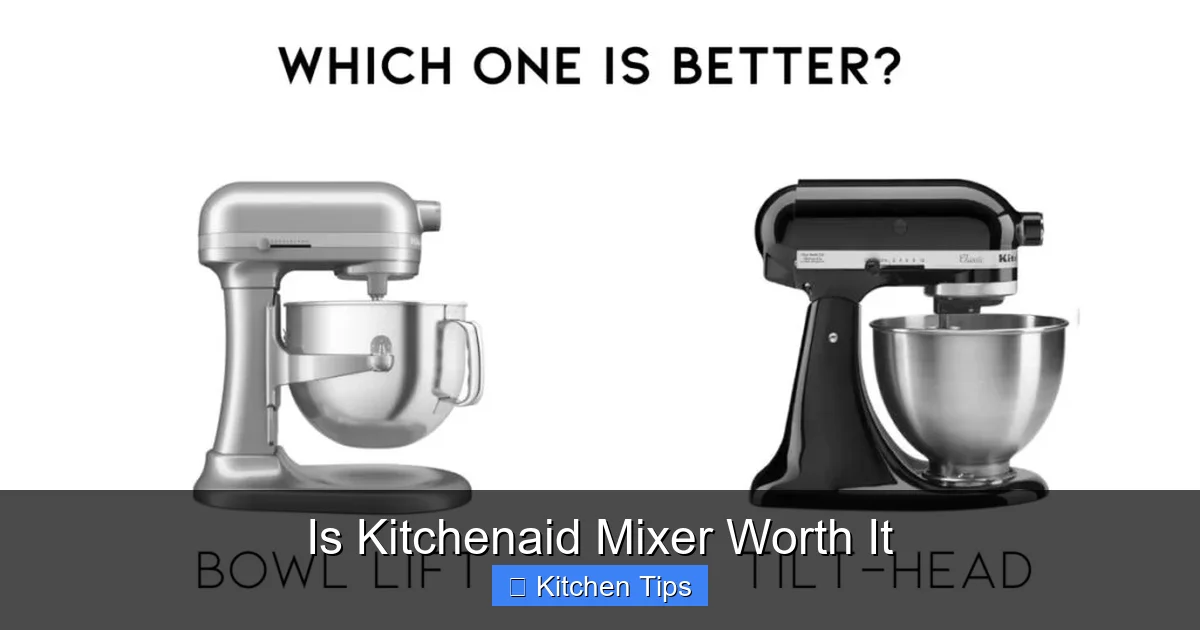
Not every home needs the massive professional-grade bowl-lift models. For most households, the classic tilt-head model is more than sufficient. By choosing the right model for your actual needs, you avoid overspending on features you might not use, ensuring your KitchenAid mixer is worth it for your specific kitchen requirements.
Addressing Common Concerns
Even with all the benefits, it is important to be realistic about the downsides. The machine is heavy. You are not going to want to move it around your kitchen every day. You need a dedicated spot on your counter for it to live. If you have limited counter space, this could be a dealbreaker.
Noise and Maintenance
They are not silent. A high-powered motor working through stiff dough will create noise. While modern models are quieter than their ancestors, they still make a statement while working. Maintenance, however, is minimal. Occasionally checking the grease or ensuring the bowl clearance is adjusted correctly is all you really need to do to keep it running for a lifetime.
Learning Curve
Some beginners feel intimidated by the accessories. Start with the basics—the paddle, the dough hook, and the whisk. Once you master those, you can gradually add attachments. Remember, the machine is there to help you, not to complicate your life. Start slow, and you will soon wonder how you ever managed without one.
Why It Remains the Gold Standard in 2026
Even with new brands entering the market in 2026, KitchenAid remains the gold standard. The reason is simple: community. Because so many people own these mixers, there is a massive ecosystem of support. If you have a question about a recipe, need a replacement part, or want to find a unique attachment, someone has already figured it out for you.
You can find endless inspiration online. From professional pastry chefs to home bakers, the wealth of knowledge shared about using these specific machines is unparalleled. This community aspect adds value that you simply cannot get from a generic or off-brand appliance. You are buying into a tradition of excellence.
Final Thoughts: Making Your Decision
So, is a KitchenAid mixer worth it? If you value quality, you enjoy baking, and you want a machine that will still be helping you in your kitchen decades from now, then yes, absolutely. It is one of the few items you can buy today that feels like a permanent solution rather than a temporary fix.
If you rarely bake and view the kitchen as a place for simple meal preparation, you might find that a good hand mixer serves your needs just fine. But if you want to elevate your culinary game, save time, and own an icon of the modern kitchen, do not hesitate. The joy of creating something from scratch with the help of a reliable partner is well worth the investment.
Frequently Asked Questions
Do I really need a stand mixer if I only bake once a month?
If you only bake occasionally, you may not “need” it, but it certainly makes the process more enjoyable and less fatiguing. Many owners find that once they have a stand mixer, they actually start baking more frequently because the cleanup and effort are significantly reduced.
Is the tilt-head model better than the bowl-lift model?
The tilt-head is generally better for everyday home baking, as it is easier to add ingredients and scrape the bowl. The bowl-lift is designed for heavy-duty, large-batch baking and is more stable under heavy bread doughs.
Will a KitchenAid mixer take up too much space?
These mixers have a significant footprint and are quite heavy, so they are best kept on a dedicated spot on your counter. Before buying, measure your counter space and check the clearance under your upper cabinets to ensure it fits comfortably.
Are the attachments truly worth the extra money?
Attachments like the pasta roller or vegetable spiralizer are fantastic if you enjoy cooking from scratch. If you rarely use those specific functions, you are better off skipping the attachments and focusing on the core mixing capabilities.
Can I repair the mixer if it breaks?
Yes, one of the biggest benefits of this brand is that parts are widely available. Many home users can perform basic repairs themselves using online tutorials, extending the life of the machine indefinitely.
Does the color affect the performance?
No, the performance is identical across all color options within the same model category. The only difference is aesthetic, so you should choose the color that best fits your kitchen decor.