
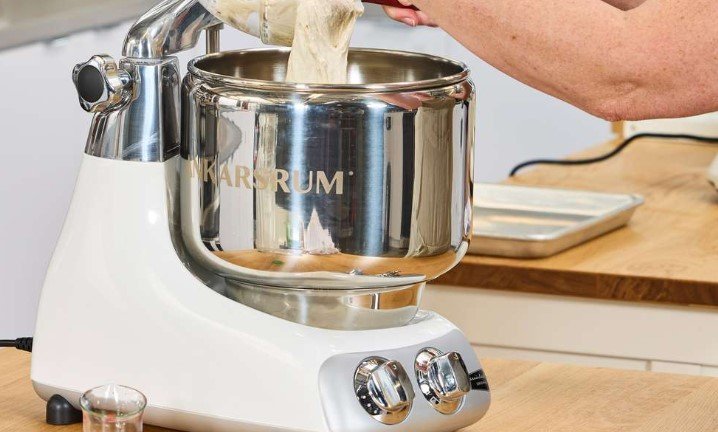
If you have ever stared at a price tag for a high-end stand mixer, you know the sticker shock is real. While they may seem pricey, these machines are built with professional-grade components designed to last for decades, often outperforming cheaper alternatives by a significant margin.
Walking through the appliance aisle in 2026, you might notice that some kitchen gadgets have become quite affordable. Yet, when you arrive at the stand mixer section, the prices remain stubbornly high. You might find yourself asking, why are stand mixers so expensive? It is a fair question, especially when you can buy a hand mixer for the price of a takeout meal.
The truth is that a stand mixer is not just a glorified spoon. It is a complex piece of heavy-duty machinery. Whether you are whipping up a simple batch of cookies or kneading sourdough for the weekend, these machines are designed to withstand forces that would snap a lesser appliance in half. Let us peel back the metal casing and look at what makes these culinary workhorses command such a premium price tag.
Key Takeaways
- Industrial-Grade Engineering: Most premium mixers use all-metal gears and high-torque motors that are designed for heavy daily use.
- Longevity and Repairability: Unlike disposable appliances, top-tier mixers are often repairable, meaning you can replace parts instead of the whole unit.
- Heavyweight Stability: The weight of these machines comes from solid metal housings, which prevent the unit from “walking” across your counter during tough dough mixing.
- Brand Heritage and R&D: Companies invest millions in research to ensure consistent performance, which is baked into the final retail price.
- Versatility via Attachments: A stand mixer is more than a whisk; it acts as a hub for everything from pasta rollers to meat grinders.
The Engineering Behind the Power
When you look at a top-tier stand mixer, you are looking at a masterclass in mechanical engineering. These machines are not made of cheap, lightweight plastic. They are constructed using heavy-duty, die-cast metal housings that provide the necessary mass to stay put while the motor is working hard.
Motors Designed for Torque
The secret to why are stand mixers so expensive lies largely in the motor. Unlike a blender that spins at high speeds for a few seconds, a mixer needs to move slowly but with immense force. Achieving high torque at low speeds requires a powerful, specialized motor. Manufacturers spend years perfecting the balance between heat dissipation and power output so that your motor does not burn out when tackling a double batch of thick bread dough.
All-Metal Gear Systems
Cheap mixers often use plastic gears inside the casing. If you have ever heard a high-pitched grinding sound or smelled burning rubber while mixing, you were likely witnessing plastic gears struggling to turn. High-end stand mixers exclusively use hardened steel gears. These gears are precision-cut and built to handle thousands of hours of operation without shearing or degrading. This level of craftsmanship is costly to manufacture, but it is the primary reason why your grandmother’s mixer might still be working in your kitchen today.
Materials Matter: Why Heavy is Better
Have you ever noticed how heavy a stand mixer is? While it might be a chore to move it across your counter, that weight is a deliberate design feature. In the world of kitchen appliances, weight is a proxy for quality.
The Benefits of a Die-Cast Body
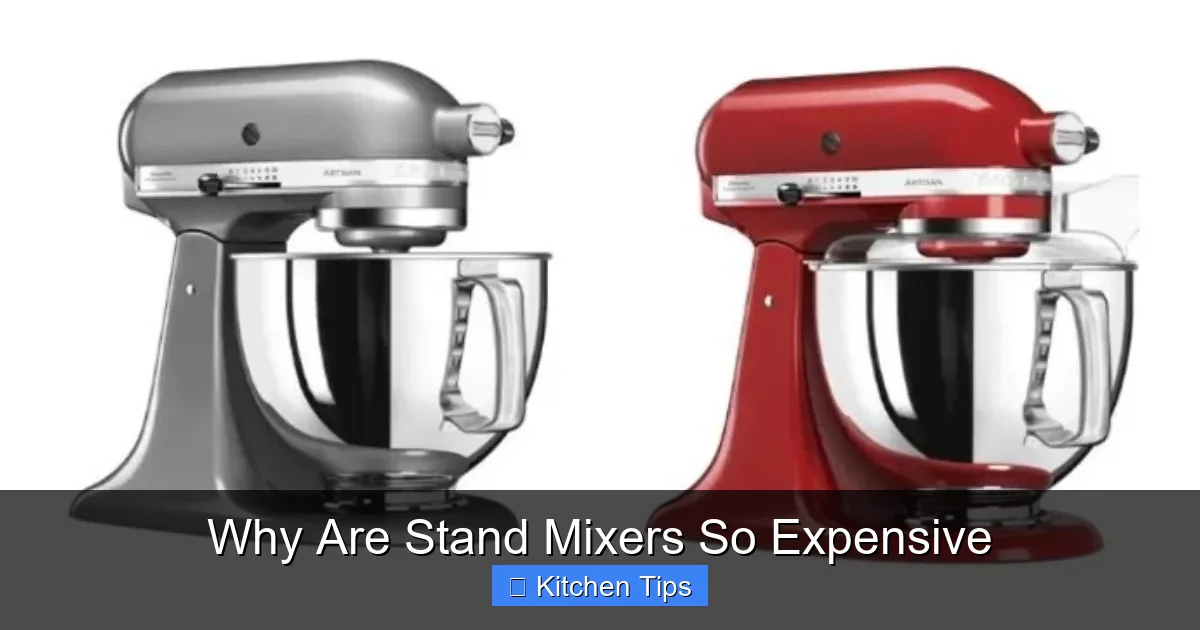
High-end models are typically cast from zinc or aluminum. This adds significant structural integrity. When you are mixing something thick, like a bagel dough, the beater is pushing against a lot of resistance. If the machine were made of lightweight plastic, the entire unit would vibrate, shake, and potentially walk right off your countertop. The heavy metal shell acts as an anchor, keeping the center of gravity low and the machine stable.
Durability of the Attachments
The components that touch your food, such as the dough hook, wire whip, and paddle, are also part of the expense. Premium models use food-grade stainless steel or high-quality coated metals that are dishwasher safe and rust-resistant. This ensures that you aren’t just buying the motor; you are buying a long-term ecosystem of tools that won’t flake, peel, or break after a few uses.
The Long-Term Value Proposition
To understand why are stand mixers so expensive, you have to look at the cost per use over a decade or two. While a $100 bargain-bin mixer might save you money today, it is often designed with a short lifespan in mind. Many cheap appliances are essentially “throwaway” items—once the motor fails or a gear strips, the entire machine becomes e-waste.
The Repairability Advantage
One of the best arguments for buying an expensive stand mixer is the ability to fix it. Leading brands maintain an extensive supply chain of replacement parts. If a spring breaks, a speed control lever snaps, or a gasket leaks, you do not need to replace the entire unit. You can simply order the part and repair it yourself. This commitment to long-term serviceability is a rare trait in 2026, and it justifies the higher initial cost.
Consistent Performance
When you bake, consistency is key. A cheap mixer might lose power as the batter gets thicker, leading to uneven mixing or overworked dough. A professional-grade stand mixer maintains a constant speed regardless of the load. This reliability is what professional bakers pay for, and it is what you are paying for at home: the assurance that every loaf of bread and every cake will come out perfectly uniform.
Brand Heritage and Quality Control
When you buy a premium mixer, you are also paying for the research and development that built that brand’s reputation. Large manufacturers conduct thousands of hours of stress testing before a new model reaches the market. They test the electronics, the lubrication systems of the gears, and the heat threshold of the wiring.
Quality Assurance Processes
Every high-end mixer undergoes rigorous quality control checks. Factories use precision measurement tools to ensure that the beater’s clearance from the bowl is perfect. If the gap is too large, the ingredients at the bottom of the bowl won’t mix properly. If it is too tight, it will scrape the bowl. This fine-tuning requires skilled labor and precision machinery, both of which add to the final price tag.
Versatility as a Kitchen Hub
It is important to remember that a stand mixer is rarely just a mixer. The attachment hub on the front of the machine transforms it into a multi-purpose culinary workstation. You can buy attachments to turn it into a meat grinder, a pasta maker, a vegetable slicer, or even an ice cream maker.
Economies of Space
Because the mixer serves as the power base for so many other tools, it actually saves you space in your kitchen. Instead of buying a separate, bulky electric meat grinder or a dedicated food processor, you can simply swap out the attachment. When you factor in the cost of all the appliances that a single high-quality stand mixer can replace, the “expensive” price tag starts to look much more like an investment in a complete kitchen system.
Conclusion: Is the Investment Worth It?
So, why are stand mixers so expensive? They are costly because they are built to be the last mixer you will ever need to buy. Between the industrial-grade motors, the heavy-duty metal construction, the repairable components, and the sheer versatility of the platform, the price reflects a level of quality that is increasingly rare in our modern, disposable culture.
If you only bake once or twice a year, a smaller, cheaper option might serve you just fine. But if you find yourself in the kitchen every week, experimenting with new recipes and challenging your cooking skills, an expensive stand mixer is one of the smartest investments you can make. It is a tool that respects your time, improves your output, and stays by your side through years of culinary adventures.
Frequently Asked Questions
Are stand mixers worth the high price for casual bakers?
If you bake only a few times a year, you might not need a professional-grade machine. However, if you enjoy the convenience and durability, it remains a worthwhile investment because it will likely last for decades.
Can I repair my stand mixer if it breaks?
Yes, that is a major benefit of high-end brands. Most premium stand mixers are designed to be serviced, with spare parts readily available for the user to replace themselves.
Do stand mixers really make baking easier?
Absolutely, they free up your hands to prep other ingredients while the mixer does the heavy lifting. They also provide consistent results that are difficult to achieve by hand, especially with thick doughs.
What makes the motor in an expensive mixer different?
Premium mixers use high-torque motors capable of maintaining speed under heavy loads. Unlike cheap alternatives, they are designed for long-term use without overheating or failing.
Why are these mixers so heavy?
The weight comes from all-metal internal gears and heavy-duty die-cast housings. This mass is intentional; it keeps the mixer stable on your counter so it doesn’t move while kneading heavy dough.
Do I need to buy all the extra attachments?
Not at all, you can start with the basic set. However, the versatility of the attachment hub allows you to add tools over time, turning your mixer into a multipurpose kitchen machine.