
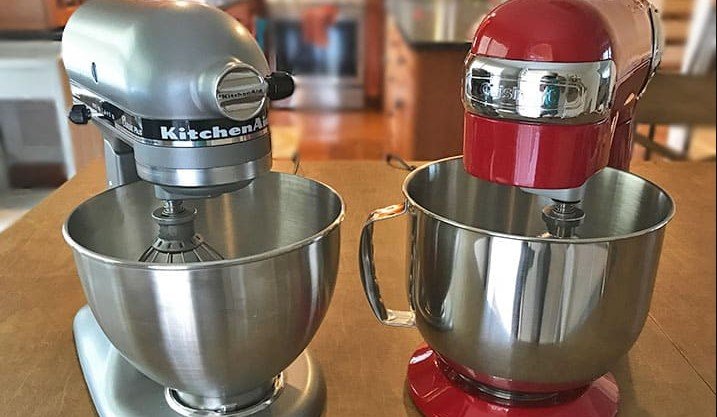
Are KitchenAid stand mixer attachments dishwasher safe? The short answer is that it depends entirely on the specific material of the attachment. While stainless steel and certain coated pieces can handle the machine, traditional aluminum accessories will ruin quickly in a high-heat dishwasher cycle. Read on to protect your baking investments in 2026!
Picture this: You just finished baking a massive batch of chocolate chip cookies. Your kitchen counter is covered in flour, your mixing bowl is sticky, and you are exhausted. You look at your trusty KitchenAid stand mixer and wonder if you can just toss all the dirty parts into the dishwasher. It is a tempting shortcut that every home baker thinks about.
The question of whether KitchenAid stand mixer attachments dishwasher safe is one of the most common debates in the culinary world. Making the wrong choice can permanently ruin your favorite baking tools. Burnished aluminum turns a chalky black, coatings chip off, and once-shiny bowls look aged and weathered. To save you from a kitchen disaster, let us break down exactly how to care for every single piece of your beloved mixer.
Key Takeaways
- Material Matters: Always check the material of your KitchenAid stand mixer attachments before putting them in the dishwasher.
- Stainless Steel is Safe: Genuine stainless steel bowls, beaters, and wire whips generally tolerate dishwasher cycles well.
- Aluminum Discolors: Standard burnished aluminum flat beaters and dough hooks will oxidize, turn dark grey, and leave a powdery residue if washed in the dishwasher.
- Coated Beaters Vary: Some nylon-coated attachments are dishwasher safe, but minor chips in the coating can lead to rusting underneath.
- Check the Manual: KitchenAid updates its guidelines periodically, so always cross-reference your specific model manual.
- Hand Washing is Safest: When in doubt, a quick wash with warm, soapy water preserves the finish and lifespan of your attachments.
Understanding Your KitchenAid Stand Mixer Attachments
Before loading up the dishwasher rack, you need to understand what your attachments are actually made of. KitchenAid manufactures accessories out of several different materials. Each material reacts differently to the harsh environment inside a modern dishwasher.
Burnished Aluminum
The standard flat beater and standard C-shaped dough hook that come with most classic tilt-head mixers are usually made of burnished aluminum. Burnished aluminum is strong and lightweight, but it lacks a protective sealing coat. The harsh detergents and intense heat of a dishwasher cause aluminum to oxidize. This chemical reaction results in a dark grey, powdery residue that can ruin your food and permanently ruin the look of the attachment.
Coated Metal
Many modern KitchenAid attachments feature a white or silver enamel nylon coating over a metal base. People often ask if these coated KitchenAid stand mixer attachments dishwasher safe. Technically, many of them are labeled as top-rack dishwasher safe by the manufacturer. However, over time, minor bumps and everyday wear can cause the coating to chip. Once water gets beneath that chip during a dishwasher cycle, rust begins to form out of sight.
Stainless Steel
Stainless steel is the gold standard of kitchen durability. If you own stainless steel bowls, professional-style wire whips, or premium stainless steel beaters, you are in luck. These pieces are robust, rust-resistant, and generally completely dishwasher safe. They can handle high heat and strong detergents without losing their shine.
Breaking Down Specific Attachments
Every attachment serves a unique purpose, and every attachment has different maintenance rules. Let us look at the most common tools in your baking arsenal.
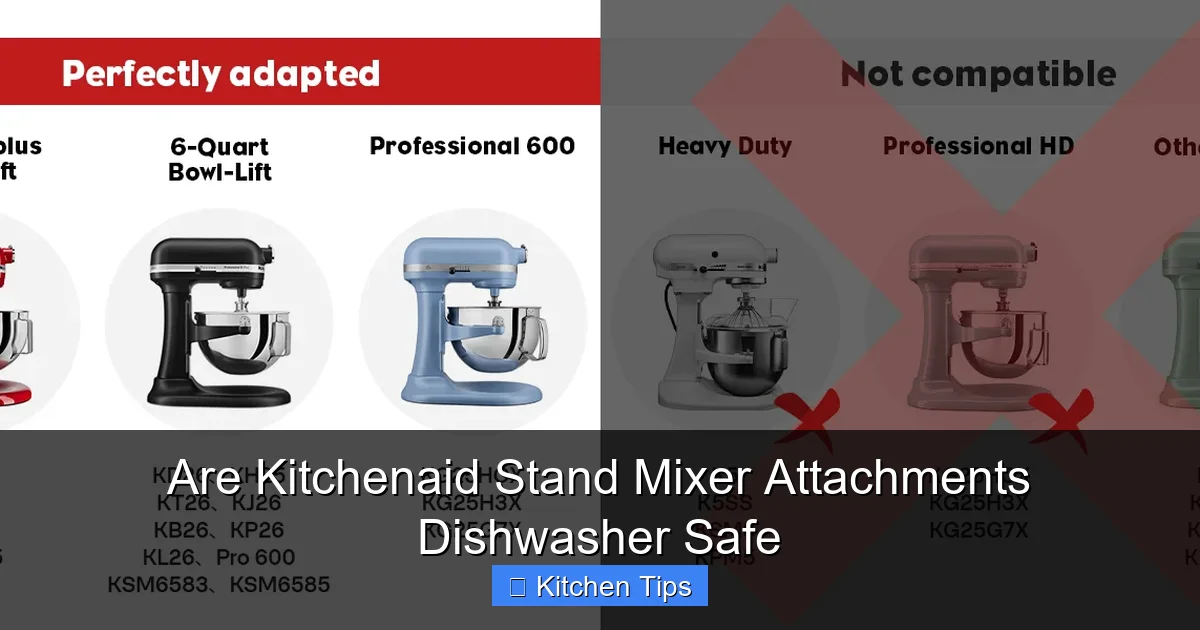
Visual guide about Are Kitchenaid Stand Mixer Attachments Dishwasher Safe
Image source: m.media-amazon.com
The Flat Beater
The flat beater does the heavy lifting for cakes, cookies, and quick breads. If your flat beater is the standard silver burnished aluminum version, keep it far away from the dishwasher. Hand wash it with warm, soapy water immediately after use. If you have the coated white version, check your specific manual, but hand washing is still the best way to prevent chipping.
The Dough Hook
Dough hooks handle heavy bread doughs. Traditional burnished aluminum dough hooks will discolor immediately in the dishwasher. Modern bowl-lift models often come with dishwasher-safe stainless steel spiral dough hooks. Always verify your specific model type before letting a machine wash your dough hook.
The Wire Whip
Wire whips are delicate. Traditional wire whips feature an aluminum head with stainless steel wires. Putting the aluminum base into the dishwasher will cause corrosion at the connection points. Over time, the wires can loosen or snap. Hand washing your wire whip ensures it stays structurally sound and whips up fluffy meringue for years to come.
Specialty Attachments and Hub Accessories
Your stand mixer does much more than just mix batter. The power hub on the front of the machine accepts a wide variety of specialty attachments, from pasta rollers to meat grinders. Are these complex KitchenAid stand mixer attachments dishwasher safe?
Pasta Rollers and Cutters
The short answer is a resounding no. Pasta makers are precision metal machines with internal gears. Submerging them in water or putting them through a dishwasher cycle will rust the internal components and ruin the alignment. Instead, let any dough dry, brush it away with a cleaning brush, and wipe the exterior with a dry microfiber cloth.
Meat Grinders and Food Grinders
Older metal food grinder attachments were often made of aluminum and required hand washing. Newer models feature plastic housings that may be top-rack dishwasher safe, but the metal blades and grinding plates should always be hand washed and dried immediately to prevent rust spots.
Slicers and Shredders
The plastic housing of the rotor-slicer attachment can usually go in the top rack of the dishwasher. However, the metal shredding and slicing cones should be hand washed to preserve their sharp cutting edges. Dishwasher heat can dull blades prematurely.
How to Properly Clean and Maintain Your Attachments
If you want your baking tools to last a lifetime, adopting a gentle cleaning routine is essential. You do not need harsh chemicals or heavy-duty machine cycles to keep your kitchen clean.
The Best Hand Washing Routine
Fill your sink with warm water and a few drops of mild dish soap. Let your attachments soak for a few minutes if there is stubborn, dried batter stuck to them. Use a soft sponge or nylon brush to clean all the crevices. Rinse thoroughly with warm water and dry them completely with a clean towel before storing them away.
Reviving Oxidized Aluminum
Did you accidentally put an aluminum beater in the dishwasher and now it looks chalky and grey? Do not panic. You can fix it. Make a paste using cream of tartar and a little water, or use a specialized aluminum cleaner. Rub the paste onto the attachment with a soft cloth, rinse it off, and your beater will look much better.
Conclusion
When asking whether KitchenAid stand mixer attachments dishwasher safe, the safest rule of thumb is to hand wash them. While some stainless steel parts and coated items can survive the dishwasher, burnished aluminum pieces will discolor and degrade rapidly. Taking two minutes to hand wash your flat beater, dough hook, and wire whip protects your investment and ensures your favorite baking tools stay pristine for decades.
Frequently Asked Questions
Can I put my KitchenAid mixing bowl in the dishwasher?
Yes, all standard stainless steel KitchenAid bowls are completely dishwasher safe. However, if you have a glass bowl or a ceramic bowl, check the specific bottom stamping, though most glass bowls are also safe on the top rack.
What happens if I accidentally put an aluminum beater in the dishwasher?
An oxidized aluminum beater will turn a dark greyish-black color and may leave a chalky metallic residue on your hands and in your food. You can scrub off the residue with a mixture of cream of tartar and water.
How can I tell if my KitchenAid attachment is aluminum or stainless steel?
Aluminum attachments usually have a dull, matte grey finish and feel relatively lightweight. Stainless steel attachments have a bright, shiny metallic finish and feel significantly heavier and more robust.
Are newer KitchenAid attachments more dishwasher friendly?
KitchenAid has introduced more dishwasher-safe stainless steel options for professional-style bowl-lift mixers. However, standard tilt-head burnished aluminum accessories still require careful hand washing.
Can I put my wire whip in the dishwasher?
No, standard wire whips should never go in the dishwasher. The heat and harsh detergent corrode the aluminum hub where the stainless steel wires meet, eventually causing the wires to loosen.
Is it okay to soak KitchenAid attachments in water?
Short soaking in warm, soapy water is fine to loosen dried batter. However, you should never let aluminum attachments soak for hours, as prolonged water contact accelerates oxidation and discoloration.