
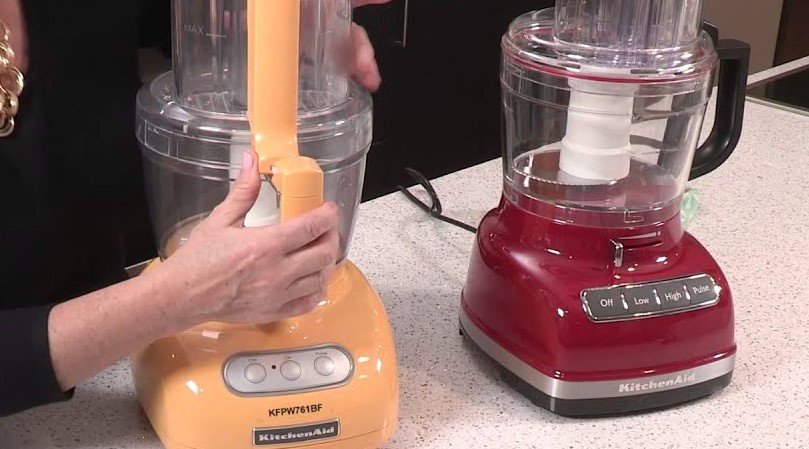
Opening a KitchenAid food processor can feel tricky because of the built-in safety locking mechanisms. This guide will help you understand the alignment points and release buttons needed to open your unit quickly and safely without damaging the plastic components.
We have all been there. You have just finished whipping up a delicious pesto or a batch of pie crust, and you are ready to serve. You reach for your KitchenAid food processor to clear the bowl, but the lid simply will not budge. It feels like you are wrestling with a stubborn vault door. Learning how to open KitchenAid food processor lids is an essential skill for any home cook, as these machines are designed with specific safety protocols that can sometimes be a bit temperamental.
In 2026, KitchenAid remains one of the most trusted names in kitchen technology, but their robust safety features remain the primary reason users find themselves asking how to open their machines. Because these blades spin at high speeds, the manufacturer includes complex locking systems to prevent the lid from opening while the motor is engaged. While these features keep your fingers safe, they can be confusing when you are just trying to get your dinner on the table.
Key Takeaways
- Safety First: Always unplug your KitchenAid food processor before attempting to open the bowl or remove the blade assembly.
- Understand the Locks: Most models require a specific rotation or a press of the release button located on the handle to disengage the safety lock.
- Alignment Matters: The bowl and lid must be properly aligned with the base for the machine to operate or open smoothly.
- Avoid Force: If the lid feels stuck, never use excessive force as this can crack the plastic or break the internal locking tabs.
- Maintenance Tips: Regularly checking the seal and cleaning the locking grooves prevents debris buildup that causes jamming.
Understanding the KitchenAid Locking Mechanism
The first step in mastering your machine is understanding why it locks in the first place. KitchenAid food processors utilize a magnetic or mechanical interlocking system. This means the machine will not send power to the motor unless the lid is perfectly aligned and locked onto the work bowl, and the work bowl is locked onto the base. If the machine is slightly misaligned, the safety switch will stay engaged, often preventing the lid from rotating into the open position.
Identifying the Release Points
Most models feature a primary release button located on the handle or a specific “unlock” icon printed on the lid. On many newer models, you must push down on the lid slightly while rotating it counter-clockwise. This downward pressure disengages the locking pin inside the handle. If you do not push down, the pin remains seated, making it feel like the lid is glued shut.
Take a moment to look at the rim of your bowl. You will see small guide tracks. These tracks are designed to guide the lid into the locked position. When you are ready to open it, you must reverse that motion exactly. If you try to lift the lid straight up without rotating it, you will fight against the structural tabs holding it down.
Step-by-Step Guide to Opening the Lid
If you are currently staring at your machine and wondering how to open KitchenAid food processor safely, follow these steps. First, ensure the power cord is disconnected. Even if the machine is off, a stray finger on the “Pulse” button can be dangerous when you are trying to manipulate the locking mechanism.
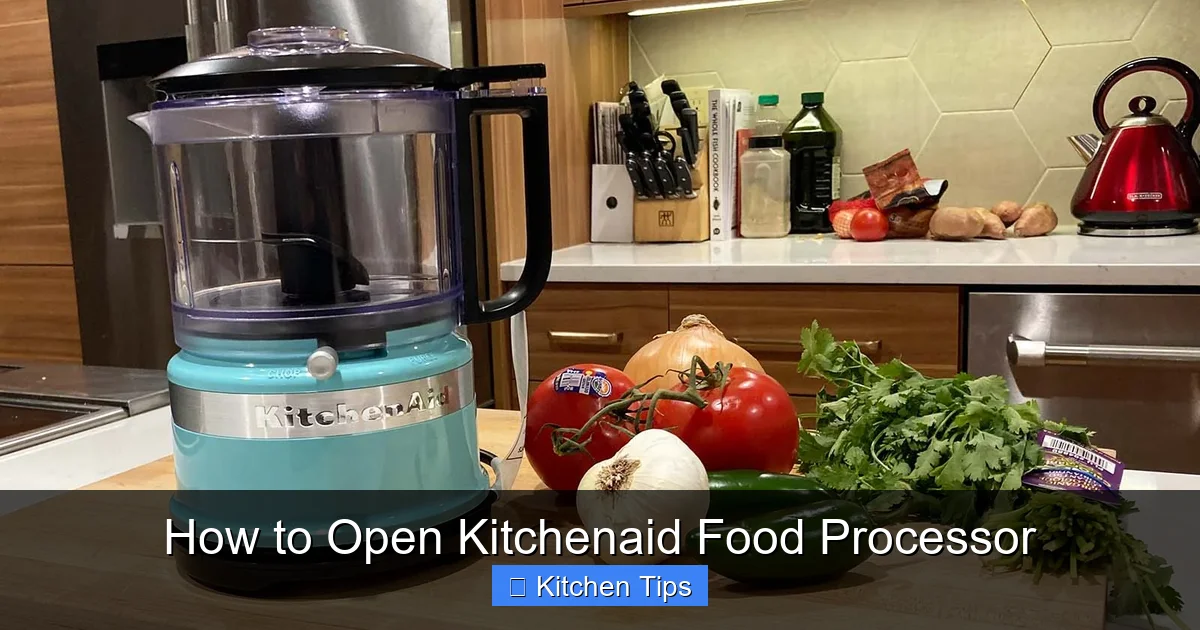
Visual guide about How to Open Kitchenaid Food Processor
Image source: storables.com
The Rotation Technique
Place one hand firmly on the base of the machine to stabilize it. With your other hand, grip the lid handle. Gently press down on the lid while simultaneously turning it counter-clockwise. You should feel a slight click as the safety tab retracts. Once you reach the alignment marker, the lid should lift off effortlessly. If it does not, do not pull harder. Instead, check to see if any food particles have lodged themselves in the locking groove.
Sometimes, a bit of flour or sauce can act like a glue in the tracks. If you have been processing sticky ingredients, use a damp cloth to wipe the rim of the bowl. This removes the friction and allows the lid to slide into the release position much more smoothly.
Removing the Work Bowl from the Base
Sometimes the problem is not the lid, but the bowl itself. You might have the lid off, but the bowl remains locked to the motor base. This usually happens when the base has not been properly wiped down, or the locking pins at the base of the unit have become stiff. Learning how to open KitchenAid food processor bases is just as important as the lid.
Correcting Base Sticking
To remove the bowl, you generally need to rotate it clockwise (or counter-clockwise, depending on your specific model) while lifting upward. If it feels stuck, check for debris at the base where the bowl connects to the motor housing. A little bit of spilled liquid can dry and create a seal that is surprisingly strong. Use a warm, damp sponge to wipe the perimeter of the base, let it sit for a minute, and then try rotating the bowl again.
Handling Stubborn Lids and Jammed Units
There are times when even the best techniques fail. If your lid remains stuck despite your best efforts, you might be dealing with a vacuum seal or a jammed locking pin. Do not resort to prying the lid with a screwdriver, as this will almost certainly crack the expensive polycarbonate bowl.
Dealing with Vacuum Seals
If you were processing hot liquids, a vacuum seal can form inside the bowl as the air cools. This creates a powerful suction that holds the lid in place. To break this, try to gently wiggle the lid back and forth to allow air to enter the seal. If you have a feed tube, open the cap on the feed tube first. This equalizes the pressure and usually allows the lid to turn freely again.
Cleaning Tips to Prevent Future Jams
Prevention is the best way to handle any food processor issues. If you want to avoid struggling with how to open KitchenAid food processor components, keep the locking tracks clean. After every use, make sure you scrub the rim of the bowl and the underside of the lid with a bottle brush or a toothbrush.
Managing the Locking Grooves
Food buildup in the grooves is the number one cause of lid malfunctions. When flour or sugars build up in these tight spaces, they interfere with the plastic tabs that facilitate the locking mechanism. By keeping these areas clean, your machine will open and close with a satisfying, smooth snap every single time you cook.
Conclusion
Mastering the art of how to open KitchenAid food processor units is all about understanding the relationship between the safety pins and the alignment marks. Once you identify where those pins are located and how they respond to pressure, you will never have to worry about a stuck lid again. Remember to keep your machine clean, avoid using excessive force, and always prioritize safety by disconnecting the power before troubleshooting. With these tips, you will spend less time fighting with your kitchen gadgets and more time enjoying the delicious meals you create with them.
Frequently Asked Questions
Why is my KitchenAid lid stuck?
Your lid is likely stuck because of food debris in the locking grooves or a vacuum seal formed by hot ingredients. Try wiggling the lid gently or cleaning the rim with a damp cloth to release the friction.
Can I use a tool to pry open my food processor?
No, you should never use a screwdriver or other tools to pry the lid open. This can damage the plastic housing and potentially break the safety locking tabs permanently.
Does the feed tube cap affect the lid opening?
Yes, if your machine is jammed due to a vacuum seal, opening the feed tube cap can help equalize the pressure. This makes it significantly easier to rotate the lid and open the unit.
Why does my bowl feel stuck to the base?
The bowl may be stuck due to dried residue in the locking mechanism at the base of the unit. Wipe the base with a warm, damp cloth to dissolve any sticky spills that might be holding the bowl in place.
How do I know if the machine is properly locked?
You will hear an audible click when the lid or bowl is properly aligned and locked into position. If you do not hear this click, the safety switch will remain disengaged and the machine will not start.
Is it safe to force the lid if it won’t open?
It is never safe to force the lid. If it refuses to turn, stop and inspect the unit for physical obstructions or debris, and ensure you are pushing down with light, even pressure to disengage the safety pin.