
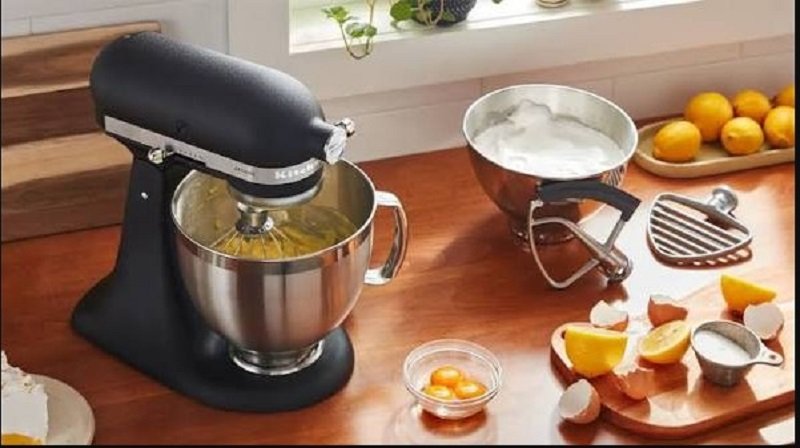
Most standard stainless steel KitchenAid mixing bowls are dishwasher safe, but many specialty finishes are not. Always check your specific bowl material before tossing it in the machine to prevent damage, discoloration, or loss of your warranty.
If you have just finished whipping up a batch of cookies or a loaf of sourdough, the last thing you want to do is spend twenty minutes scrubbing your heavy mixing bowl. We have all been there, standing in the kitchen with flour on our aprons, wondering if we can just toss our mixer accessories into the dishwasher and call it a day. The most common question we hear from home bakers in 2026 is: is the KitchenAid mixing bowl dishwasher safe?
The answer is not a simple yes or no. Because KitchenAid offers such a wide variety of mixing bowls—ranging from classic polished steel to trendy ceramic and glass—the care instructions depend entirely on what you have sitting on your counter. Using the wrong cleaning method can lead to stubborn stains, dull finishes, or even structural damage to your favorite kitchen tool. Let’s dive deep into how you should handle your equipment to ensure it lasts for decades.
Key Takeaways
- Material Matters: Stainless steel is usually dishwasher safe, but ceramic, glass, and copper-coated bowls require hand washing.
- Check the Base: KitchenAid typically engraves dishwasher-safe information on the bottom of the bowl for easy identification.
- Avoid Harsh Detergents: Even for dishwasher-safe bowls, harsh chemicals can dull the shine over time.
- The Heat Factor: High-heat cycles in a dishwasher can cause some materials to warp or change color permanently.
- Prevent Corrosion: Avoid letting salt or acidic ingredients sit in the bowl, as these can cause “pitting” even in high-quality steel.
- Hand Washing is Safer: If you are unsure about your bowl type, washing by hand with warm, soapy water is always the safest route.
Understanding Your Bowl Material
Before you load up your appliance, you need to identify exactly what your bowl is made of. KitchenAid designs different bowls for different baking needs, and each has unique maintenance requirements. While the standard stainless steel bowl is a workhorse, other materials are designed more for aesthetics or specific thermal properties.
The Standard Stainless Steel Bowl
Most KitchenAid stand mixers come with a polished stainless steel bowl. These are generally designed to be quite durable. If you look at the bottom of your bowl, you will likely find a stamp that indicates if it is dishwasher safe. In almost all cases, the standard stainless steel bowls produced by KitchenAid are dishwasher safe. They can handle the heat and the water pressure of a standard cycle without issue.
Glass and Ceramic Bowls
If you own one of the beautiful glass or ceramic bowls, you need to be much more careful. While some of these are labeled as dishwasher safe, many home bakers prefer to hand wash them to prevent chips and cracks. Glass can become brittle over time, and high-heat dishwasher cycles can stress the material. Ceramic bowls, especially those with custom glazes or painted patterns, can fade or peel if exposed to the abrasive action of dishwasher detergents for too long.
Why Is the KitchenAid Mixing Bowl Dishwasher Safe—Sometimes?
You might wonder why some bowls are safe for the machine while others are not. It comes down to chemistry and manufacturing. Manufacturers use different grades of steel and various finishes that react differently to the caustic chemicals found in modern dishwasher pods and powders.
The Risks of Harsh Detergents
Dishwasher detergents are designed to strip grease and food particles, which means they are highly alkaline. If your bowl has a specialty coating, such as a copper finish or a powder-coated color, these harsh chemicals can eat away at the finish. Even on plain stainless steel, extended exposure to certain additives can cause “tea staining” or cloudy spots that are very difficult to remove.
Thermal Shock and Stress
The inside of a dishwasher is a harsh environment. Between the hot water sprays and the intense heat of the drying cycle, materials are subjected to a lot of stress. If your mixing bowl has a metal base or a reinforced rim, the difference in how these materials expand and contract with heat could potentially cause loosening or warping. While KitchenAid builds high-quality products, they are not immune to the laws of physics!
Best Practices for Cleaning Your Bowl
If you decide that your bowl is indeed dishwasher safe, there are still a few ways you can protect it to ensure it stays in pristine condition. Even safe-to-clean items can benefit from a little extra care during the process.
Load it Correctly
Never wedge your bowl into a tight space in the dishwasher. If it is touching other metal pots or pans, it can cause galvanic corrosion, which is a fancy way of saying the two metals react and create unsightly rust spots. Place it on the bottom rack, ensuring it is secure and not blocking the spray arms of the machine.
Skip the Heated Dry
If you have the option, turn off the heated dry cycle. This is the part of the dishwasher process that causes the most damage to kitchenware. By letting the bowl air dry, you significantly reduce the risk of mineral buildup, spotting, and thermal stress. This simple tip will help keep your stainless steel bowl looking shiny and new for years to come.
When Should You Always Hand Wash?
There are specific scenarios where you should skip the machine entirely, even if the manufacturer says it is okay. Think of your mixing bowl as an investment piece. If you want it to look as good in 2036 as it does today, hand washing is the gold standard.
Specialty Finishes and Painted Bowls
If you have one of the limited-edition colored bowls or a bowl with a textured matte finish, please wash it by hand. These finishes are prone to scratching and chipping when they bang against other dishes in the dishwasher. Once a chip occurs, moisture can get underneath the finish, leading to bubbling or peeling.
Pitting and Corrosion Risks
If you notice any small dark spots appearing on your bowl—a condition called pitting—it is time to stop putting it in the dishwasher. This usually happens when the bowl is exposed to acidic ingredients (like lemon juice or vinegar) and then cleaned with high-temperature, harsh detergents. Hand washing with a mild dish soap is the only way to stop this process once it has started.
Maintaining the Shine of Your Stainless Steel
Even if your bowl is perfectly dishwasher safe, you might notice that after a few months of machine washing, it loses its mirror-like luster. This happens due to hard water deposits and the slight abrasiveness of dishwasher detergents. Restoring the shine is easier than you might think.
The Vinegar Soak
If your bowl looks cloudy, fill it with a mixture of warm water and white vinegar. Let it sit for about ten minutes, then wash it with a soft sponge and dish soap. The vinegar breaks down the mineral deposits that the dishwasher leaves behind, revealing the clean, polished steel underneath.
Avoiding Abrasives
Never use steel wool or harsh scouring pads on your KitchenAid bowl. Even if you are trying to get stuck-on dough out of the corners, these tools will create microscopic scratches. Over time, these scratches act like magnets for dirt and bacteria, making the bowl harder to clean each time.
Conclusion: Finding the Balance
So, is the KitchenAid mixing bowl dishwasher safe? For your standard stainless steel bowl, yes, you can safely use the dishwasher for convenient cleanup. However, you must weigh that convenience against the long-term appearance and durability of the item. By skipping the heated dry cycle and choosing mild detergents, you can bridge the gap between efficiency and care.
For any glass, ceramic, or custom-coated bowl, stick to the sink. Hand washing takes only an extra minute or two and guarantees that your bowl remains in showroom condition. As we look at the kitchen landscape of 2026, the best approach is to treat your tools with respect so they can continue to help you create delicious memories in the kitchen for a long time to come. Keep it simple, keep it clean, and keep on baking!
Frequently Asked Questions
How do I know if my specific bowl is dishwasher safe?
Check the underside of the bowl for a stamp or engraving that explicitly says “Dishwasher Safe.” If there is no marking, assume it is hand-wash only to be safe.
Can I wash my bowl with other kitchen utensils?
You can, but be careful that the bowl does not bang against other metal items, which can cause scratching or galvanic corrosion. Always ensure the bowl is securely positioned so it doesn’t shift during the cycle.
Why does my bowl have dark spots after being in the dishwasher?
Dark spots, or “pitting,” often occur when salt or acidic ingredients are left in the bowl before washing. The combination of these substances and the high heat of a dishwasher accelerates this chemical reaction.
Is the dough hook or whisk attachment dishwasher safe too?
Standard stainless steel attachments are usually dishwasher safe, but coated aluminum attachments (the white ones) can lose their coating if cleaned in a machine. Always check your manual for each specific accessory.
Does using the dishwasher void my KitchenAid warranty?
Generally, KitchenAid does not void the warranty for using the dishwasher if the product is explicitly labeled as dishwasher safe. However, using harsh industrial cleaners or damaging the bowl through misuse is not covered.
How can I get burnt-on food off my mixing bowl without the dishwasher?
Soak the bowl in hot, soapy water for 15 minutes to soften the debris. Use a silicone spatula or a soft microfiber cloth to gently remove the residue without scratching the surface.