
Choosing the right Kitchen Aid attachment for cookies can make or break your baking day. While the standard flat beater is your go-to tool for most drop cookies, understanding when to swap in the paddle, whisk, or dough hook ensures perfect texture every single time. Read on to master your mixer and bake the best batch of cookies yet!
There is nothing quite like the warm, comforting smell of freshly baked cookies filling your home. Whether you love chewy chocolate chip, crisp shortbread, or festive sugar cookies, your stand mixer is your best friend in the kitchen. But if you have ever stood in front of your mixer wondering which Kitchen Aid attachment for cookies to use, you are definitely not alone.
With so many metal and plastic pieces rattling around in your cabinet, it is easy to grab the wrong tool. Using the incorrect attachment can lead to overworked dough, uneven mixing, or even strain on your mixer motor. Let us break down everything you need to know so you can pick the right tool and bake like an absolute professional.
Key Takeaways
- The Flat Beater is Best: Use the standard coated flat beater for 90% of your cookie recipes, especially classic chocolate chip.
- Save the Whisk for Whites: The wire whip is only needed when you are whipping egg whites or heavy cream for delicate meringue cookies.
- Skip the Dough Hook: Standard cookie dough is too soft for the dough hook, which is meant for heavy bread yeasts.
- The Flex Edge is a Game-Changer: A flex edge beater scrapes the bowl for you, saving time and preventing unmixed pockets of butter.
- Temperature Matters: Always let your butter soften to room temperature before mixing to protect your Kitchen Aid attachment and motor.
- Don’t Overmix: Stop mixing as soon as the flour disappears to keep your cookies tender and prevent them from spreading too flat.
The Undisputed King: The Flat Beater
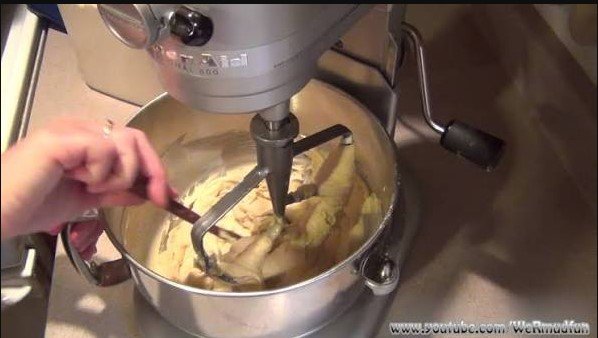
When asking yourself which Kitchen Aid attachment for cookies is the right choice, the answer is almost always the flat beater. Sometimes called the paddle attachment, this is the trusty workhorse that comes standard with every tilt-head and bowl-lift stand mixer.
Why the Flat Beater Works So Well
The flat beater is specifically designed to cream butter and sugar together efficiently. As it spins, it beats air into the fat while incorporating dry ingredients without crushing them. This creates that classic cookie texture that is slightly crisp on the edges and soft in the middle.
Best Cookie Types for the Flat Beater
You should reach for your flat beater whenever you are making standard drop cookies. This includes chocolate chip, oatmeal raisin, peanut butter, and snickerdoodles. It has enough muscle to handle thick doughs filled with chocolate chips, nuts, and oats without breaking a sweat.
The Upgrade: The Flex Edge Beater
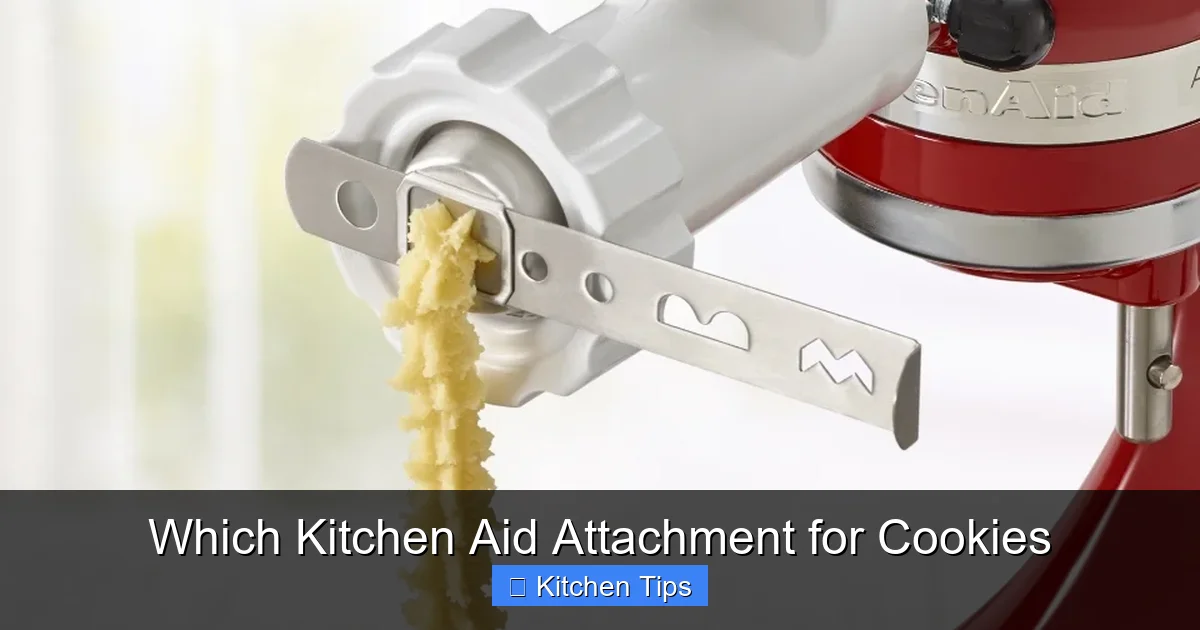
If you want to take your cookie game to the next level, you might want to look beyond the standard metal paddle. The flex edge beater is a popular third-party or official Kitchen Aid accessory that features a silicone or rubber edge along one side.
Say Goodbye to Manual Scraping
How many times have you stopped your mixer, grabbed a spatula, and scraped down the sides of the bowl? With a flex edge beater, you can cut that chore in half. The silicone fin wipes the sides of the bowl clean with every single rotation.
When to Use the Flex Edge
This attachment is amazing for cookie recipes that start with creaming softened butter and sugar. It ensures that no pockets of butter or sugar hide out at the bottom of the bowl. Your final batch of cookie dough will be thoroughly mixed and uniform, leading to consistent baking results.
Can You Use the Wire Whip for Cookies?
It is tempting to look at the large wire whip and think it will make your cookies light and fluffy. However, using the wire whip is one of the most common mistakes bakers make when trying to figure out which Kitchen Aid attachment for cookies to choose.
The Danger of Too Much Air
The wire whip is designed to incorporate a massive amount of air into liquids, such as heavy whipping cream or egg whites. If you use it for standard cookie dough, it will whip way too much air into your butter and sugar. Your cookies will puff up massively in the oven and then deflate into a crumbly, dry mess.
When the Wire Whip is Actually Needed
The only time you need the wire whip for a cookie recipe is if you are making delicate French macarons, meringues, or angel food cookies. In these specific cases, you are whipping egg whites to stiff peaks before gently folding in your dry ingredients by hand.
What About the Dough Hook?
Another common point of confusion is the heavy spiral or C-shaped dough hook. Since cookie dough can get very thick, it is natural to wonder if you need a heavy-duty tool to handle it.
Leave the Dough Hook for Bread
The dough hook is engineered to knead heavy yeast doughs for bread, cinnamon rolls, and pizza crusts. It works by stretching and pulling gluten strands to create an elastic, chewy texture. Cookie dough does not need this kind of gluten development.
Why It Fails for Cookies
If you try to make chocolate chip cookie dough with a dough hook, you will likely end up with a huge mess. The hook will push the ingredients around the bowl without creaming the butter properly. Save the dough hook for your weekend bread-baking projects!
Tips for Mixing Cookie Dough Like a Pro
Knowing which Kitchen Aid attachment for cookies to use is only half the battle. How you use your mixer matters just as much. Here are a few simple tips to help you get the best results every time.
Start with Room Temperature Ingredients
Always pull your butter and eggs out of the fridge about thirty to forty-five minutes before you start baking. Softened butter allows the flat beater to cream the sugar properly. If your butter is rock hard, it can bend your beater or strain your mixer motor.
Mix on Low Speed
Once you add your flour and dry ingredients, always turn your mixer down to its lowest speed. Over-mixing activates the gluten in the flour, which turns your tender cookies into tough, bread-like pucks. Stop the mixer the exact moment you no longer see dry streaks of flour.
Conclusion
Baking delicious homemade treats should be a fun and stress-free experience. When you are deciding which Kitchen Aid attachment for cookies to use, keep it simple. Reach for the standard flat beater or the flex edge beater for nearly all of your favorite drop cookie recipes. Save the wire whip for airy meringues and leave the dough hook for your homemade bread. By using the right tool for the job, you will enjoy perfectly baked cookies every single time you turn on your mixer.
Frequently Asked Questions
Can I use the paddle attachment for sugar cookie dough?
Yes, the standard flat paddle attachment is the absolute best choice for cut-out sugar cookies and shortbread. It mixes the butter, sugar, and flour thoroughly without overworking the dough, keeping your cookies from spreading too much in the oven.
What happens if I use the whisk attachment for cookie dough?
Using the wire whip will beat way too much air into your butter and sugar mixture. This causes your cookies to puff up dramatically while baking and then collapse into a dry, crumbly texture.
Is the flex edge beater better than the standard paddle?
The flex edge beater is not strictly necessary, but it is a fantastic upgrade. It features a silicone edge that scrapes the sides of the bowl as it mixes, saving you time and ensuring no butter gets left behind.
Why is my Kitchen Aid mixer struggling with my cookie dough?
If your mixer is straining, your butter is likely too cold, or your cookie dough is simply too thick. Always let your butter soften to room temperature before mixing, and add heavy mix-ins like nuts or chocolate chips by hand at the very end.
Can I mix chocolate chips with the Kitchen Aid attachment?
You can add chocolate chips while the flat beater is running on its lowest speed, but do so near the very end of the mixing process. For best results, stir them in by hand with a spatula to prevent the chips from breaking.
Do I need a bowl-lift or tilt-head mixer for cookies?
Both tilt-head and bowl-lift Kitchen Aid mixers handle cookie dough wonderfully. The main difference is capacity, so choose the model that fits the size of the batches you like to bake for your family and friends.