
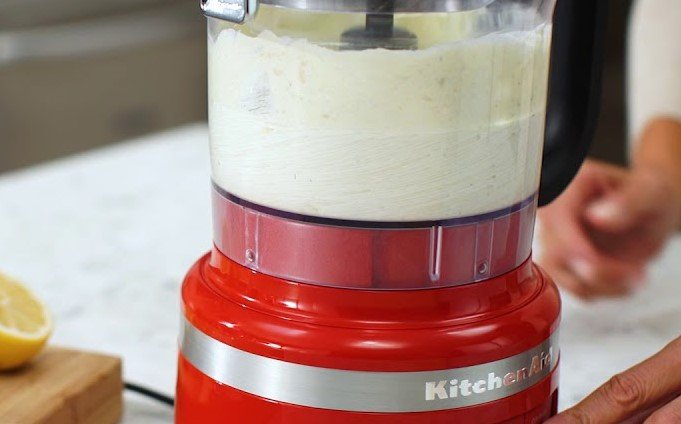
Using a KitchenAid food processor transforms your meal prep from a chore into a quick, creative process. This guide covers everything from basic assembly to advanced techniques, ensuring you get the most out of your versatile kitchen companion in 2026.
Welcome to the ultimate guide on how to use KitchenAid food processor models. Whether you just unboxed your shiny new unit or you have been storing one in your cabinet for years, today is the day you turn it into your favorite kitchen assistant. In 2026, cooking at home is more popular than ever, and a high-quality food processor is the secret weapon that separates a good cook from a great one.
Think of your processor as an extension of your hands. It can chop onions without the tears, shred blocks of cheese in seconds, and whip up professional-grade hummus that tastes far better than anything you can buy at the store. By mastering this machine, you will save hours of prep time every single week, leaving you with more energy to focus on the actual cooking and more importantly the eating.
Key Takeaways
- Assembly Basics: Always ensure the bowl and lid are locked securely, as safety interlocks prevent the motor from starting unless everything is properly clicked into place.
- Blade Selection: Use the multipurpose stainless steel blade for chopping and pureeing, while reserving the slicing or shredding discs for consistent, professional-looking vegetable cuts.
- Pulse Control: Use the pulse button for delicate ingredients to prevent over-processing, which can turn your crisp veggies into an unwanted mush.
- Feeding Properly: Use the feed tube and pusher to keep your fingers safe and to ensure even pressure on ingredients for uniform results.
- Cleaning Habits: Wash parts immediately after use to prevent food from drying, and always refer to the specific dishwasher-safe instructions for your model.
- Smart Stacking: Keep your processor on the counter if you have space, as visibility leads to more frequent use and better cooking habits.
📑 Table of Contents
Understanding Your Components
Before you start spinning blades, it is important to know what you are working with. Every KitchenAid food processor comes with a few standard parts that work together to perform kitchen magic. Most modern models feature a work bowl, a lid with a feed tube, a food pusher, and an array of blades.
The Work Bowl and Lid
The work bowl is your main container. You will notice a little nub or pin on the handle or the base; this is part of the safety system. If the lid is not locked tightly, the motor simply will not engage. This is a built-in safety feature, so do not panic if it does not turn on right away. Always check that the lid has clicked into the locked position.
Selecting the Right Blade
The multipurpose blade is the workhorse of your kitchen. It sits at the bottom of the bowl and is perfect for chopping nuts, pureeing sauces, or mixing dough. The slicing and shredding discs, however, are designed to fit on the top of the stem. These are best used for vegetables, hard cheeses, and even firm fruits. Never use the multipurpose blade for slicing, as it will simply mash your vegetables rather than providing clean, uniform cuts.
The Art of Perfect Chopping and Slicing
One of the biggest questions people ask about how to use KitchenAid food processor models is how to get the perfect chop. The secret lies in the pulse button. Beginners often hold the “on” button down for too long, which results in a puree when they were aiming for a chunky salsa.
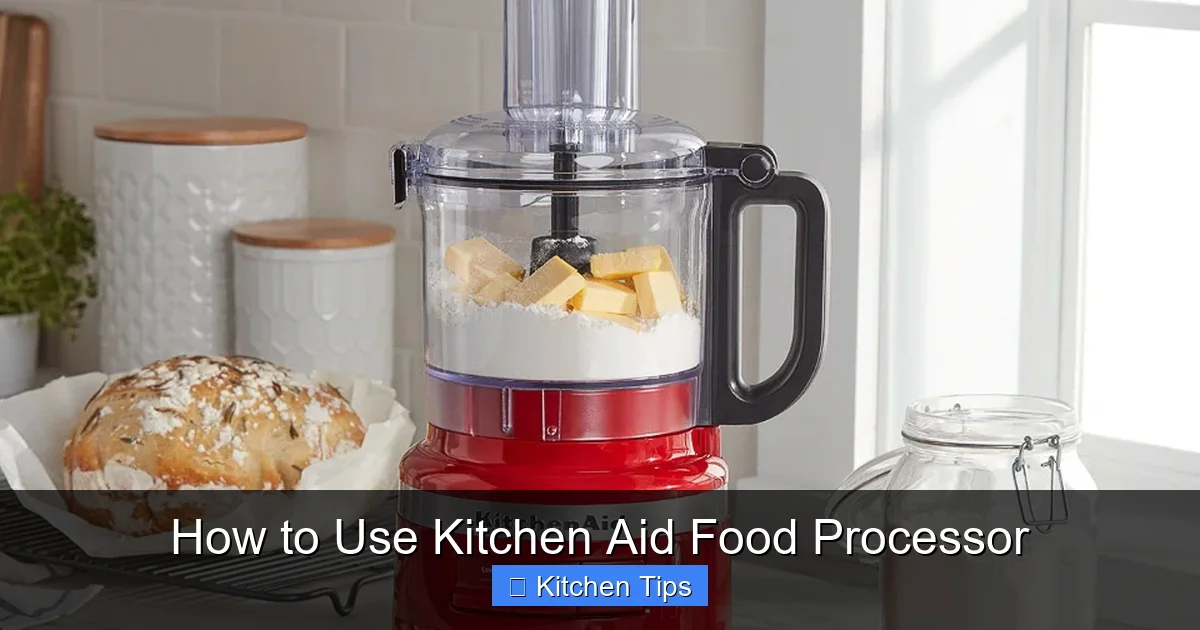
Visual guide about How to Use Kitchen Aid Food Processor
Image source: images.ctfassets.net
Using the Pulse Technique
For onions, peppers, or herbs, use quick, one-second pulses. Look through the clear bowl to monitor the size of the pieces. If you hold the button down, you lose control. Pulse once, look, pulse again, look. This method allows you to stop exactly when you reach the desired texture. It is much easier to pulse a few more times than it is to fix an over-processed mess.
Working with the Feed Tube
When you are ready to use your slicing or shredding discs, you must use the feed tube. Never use your hands to push food down into the machine. KitchenAid provides a pusher that fits perfectly in the tube. Place your ingredient inside, then apply steady, firm pressure with the pusher. If you push too hard, you might bend the disc; if you push too lightly, you get uneven shreds. A steady, gentle downward motion yields the best results.
Advanced Techniques for Home Chefs
Once you are comfortable with basic chopping, it is time to explore what else your machine can do. In 2026, many home cooks are using their KitchenAid units for tasks that go beyond mere vegetable prep.
Mixing Doughs and Batters
Yes, you can make pie crusts and pizza dough in your food processor! The high-speed action of the metal blade is perfect for cutting cold butter into flour, which is the secret to a flaky crust. Simply add your dry ingredients, pulse to combine, add your cold butter chunks, and pulse until it looks like breadcrumbs. Add your liquid, pulse a few more times until it barely comes together, and you are done.
Making Nut Butters and Dips
If you enjoy healthy snacks, you can make your own almond or peanut butter. Simply place the nuts in the bowl and process on high for several minutes. At first, it will look like dust, then a clump, and finally, it will turn into a silky, smooth butter. It takes patience, but the fresh taste is unbeatable.
Safety and Maintenance Best Practices
Safety is non-negotiable when dealing with high-speed blades. When learning how to use KitchenAid food processor technology, always remember that these blades are sharp enough to cut through solid vegetables, which means they can easily cut your skin. Handle blades by the plastic center hub, never by the metal edges.
Cleaning Your Machine
Most KitchenAid models feature dishwasher-safe components, but hand-washing is often better for the longevity of the plastic. Hot dishwasher cycles can sometimes warp the bowl over time. A quick rinse immediately after use is the best way to keep the machine clean. If you wait for the food to dry, you will be scrubbing for much longer.
Handling Stains and Odors
If you process strong ingredients like garlic or spicy peppers, the plastic bowl might hold onto the scent. A paste of baking soda and water, wiped into the bowl and left for ten minutes before rinsing, works wonders for neutralizing odors. This simple tip will keep your machine smelling fresh for years.
Common Troubleshooting Tips
Even with the best equipment, things can occasionally go wrong. If your processor suddenly stops mid-task, don’t worry. It is likely just a safety feature triggered by a minor misalignment or an overloaded bowl.
Why Isn’t It Turning On?
Nine times out of ten, the machine won’t turn on because the lid is not fully clicked into place. Take it off, ensure there is no food debris in the tracks, and snap it back on until you hear a clear click. If it still won’t work, ensure the bowl is properly seated on the base.
Dealing with Uneven Processing
If your food is being processed unevenly, it usually means the bowl is too full. Only fill your bowl to about two-thirds of its capacity. If you have a large mountain of kale to shred, do it in two smaller batches. You will get much better, more uniform results, and the motor will thank you by lasting much longer.
Conclusion
Learning how to use KitchenAid food processor units is one of the best investments you can make for your kitchen efficiency. By practicing the pulse technique, mastering your various blade attachments, and keeping your machine clean, you are setting yourself up for success in every meal you prepare.
As you continue your culinary journey in 2026, don’t be afraid to experiment with new ingredients and recipes. Your processor is built to handle the heat, the cold, and the crunch of daily cooking. Start small, stay safe, and enjoy the incredible time-saving benefits of your KitchenAid machine. Happy cooking!
Frequently Asked Questions
Can I wash the motor base in the dishwasher?
No, you should never submerge the motor base in water or put it in the dishwasher. Simply wipe it down with a damp cloth and dry it immediately after use.
Why do my vegetables turn into mush?
This usually happens because you are holding the “on” button down for too long instead of using the pulse button. Use short, quick pulses to maintain better control over the texture of your ingredients.
Can I use the food processor to crush ice?
Most standard KitchenAid food processor bowls are not designed for crushing ice. Doing so can dull or chip the blades and potentially damage the plastic work bowl, so it is best to avoid it.
How do I stop the bowl from smelling like onions or garlic?
You can scrub the interior with a paste made of baking soda and a little water to help neutralize odors. Letting the parts soak in warm, soapy water immediately after use also prevents smells from setting in.
Is it safe to process hot liquids in the processor?
It is generally not recommended to process boiling liquids because the steam can build up pressure and cause the lid to leak or pop off. Let your ingredients cool down to at least room temperature before processing.
How full should I fill the bowl?
Always keep your ingredients below the maximum fill line, or stick to filling it about two-thirds full for best performance. Overfilling the bowl prevents the blades from circulating the food properly, leading to uneven results.