
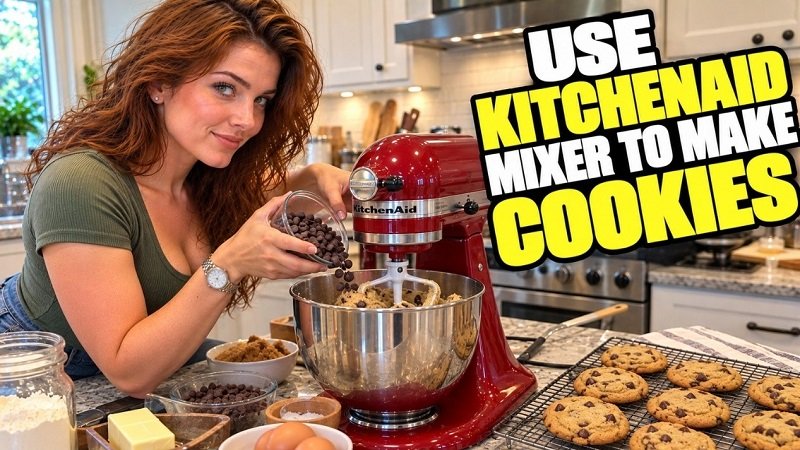
Choosing the right kitchenaid attachment for cookies can make or break your baking day. While most home bakers automatically reach for the wire whip, the standard flat beater is actually your best friend for creamed butter and sugar. This guide will walk you through every mixing tool, helping you pick the ideal kitchenaid attachment for cookies so your treats turn out soft, chewy, and perfectly mixed every single time.
There is nothing quite like the smell of warm, freshly baked cookies fresh out of the oven. Whether you love classic chocolate chip, chewy oatmeal raisin, or buttery shortbread, making them at home is a pure joy. If you own a stand mixer, you already know it is a total game changer for your baking projects. But have you ever stopped to wonder which kitchenaid attachment for cookies is the absolute right choice?
It is a super common question for both new and experienced bakers. With so many metal and plastic pieces sitting in your kitchen drawer, picking the wrong tool can lead to flat cookies, overworked dough, or even a broken mixer. If you want to know which kitchenaid attachment for cookies you should be using for your favorite weekend baking recipe, you are in the right place. Let us dive into the wonderful world of stand mixer attachments and find your new baking best friend.
Key Takeaways
- The Flat Beater Rules: The standard coated flat beater is the absolute best kitchenaid attachment for cookies like chocolate chip and sugar cookies.
- Save the Whip for Air: Never use the wire whip for thick cookie dough, as it is designed only for whipping cream and egg whites.
- The Dough Hook is Too Tough: Dough hooks are meant for yeast breads, and using them for cookies will overwork your sweet dough.
- Scrape the Bowl: No matter which kitchenaid attachment for cookies you choose, stopping to scrape down the sides of the bowl is essential for even mixing.
- Upgrade Options: Flex edge beaters with silicone sides can save you time by scraping the bowl automatically as they mix.
- Temperature Matters: Always soften your butter properly before letting your chosen kitchenaid attachment for cookies do its job.
The Contenders: Understanding Your Mixer Tools
Before we crown a winner, let us look at the lineup. Your KitchenAid mixer typically comes with three main metal tools right out of the box. Each one has a specific job in the kitchen. Knowing what each tool does will help you understand why choosing the right kitchenaid attachment for cookies matters so much for your baking success.
The Standard Flat Beater
The flat beater, often called the paddle attachment, is the workhorse of your kitchen. It is usually made of metal with a white enamel, silver, or stainless steel coating. When you ask most bakers which kitchenaid attachment for cookies they use daily, this is the universal answer. It is designed to tackle medium-heavy mixtures, from quick bread batters to thick cookie doughs.
The flat beater does an amazing job of creaming butter and sugar together. This process creates tiny air pockets that help your cookies rise just enough while keeping them tender. If you want a reliable kitchenaid attachment for cookies that will not let you down, the flat beater is your go-to option.
The Wire Whip
The wire whip looks like a giant balloon made of thin metal wires. It is designed to incorporate air quickly into light ingredients. Think of whipping heavy cream into fluffy peaks, beating egg whites for a meringue, or making a super light sponge cake.
However, when it comes to figuring out which kitchenaid attachment for cookies to use, the wire whip is a total mismatch. Thick cookie dough will instantly bend, break, or tangle those delicate wires. Plus, it cannot cream butter and sugar properly, leaving you with heavy, greasy clumps instead of smooth dough.
The Dough Hook
The dough hook usually has a C-shape or a spiral design. It is heavy, sturdy, and built to knead yeast doughs for bread, pizza crusts, and cinnamon rolls. Kneading requires a stretching and pulling motion that builds gluten strands in bread flour.
For cookies, we actually want to avoid developing too much gluten, because gluten makes baked goods tough and chewy in a bad way. Therefore, the dough hook is the wrong kitchenaid attachment for cookies. Save this heavy-duty tool for your homemade bread baking days.
Why the Flat Beater Wins for Cookie Dough
Now that we have looked at all three standard options, it is easy to see why the flat beater is the champion. When you make cookies, your recipe usually starts by beating softened butter with granulated and brown sugar. This step is called creaming, and it is the most important part of the cookie-making process.
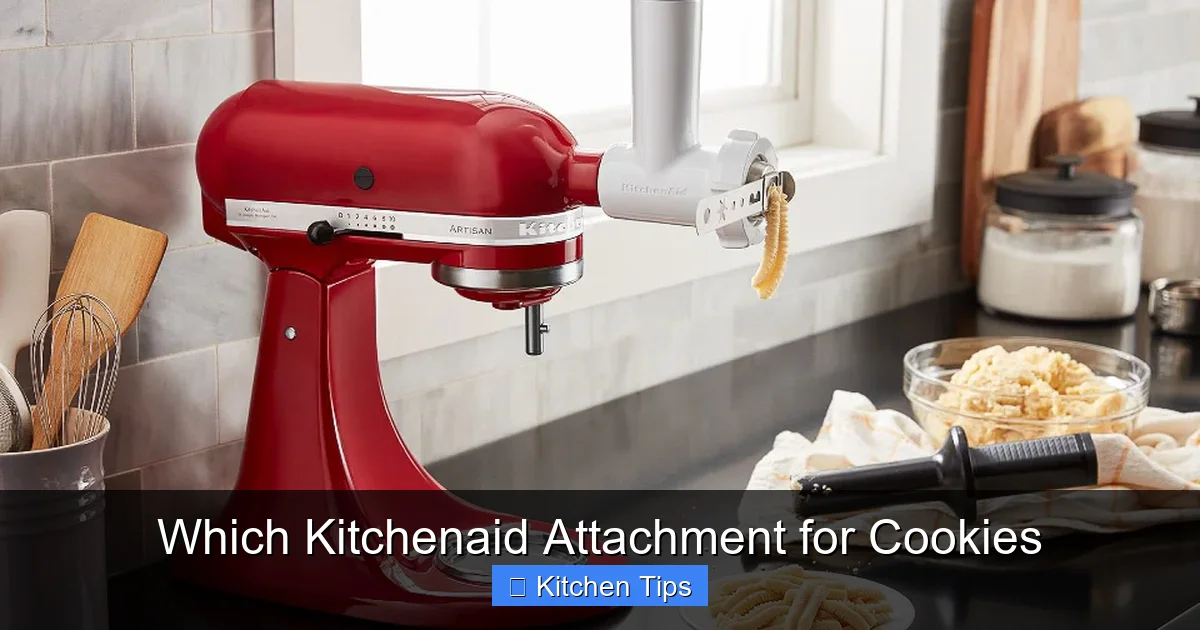
Visual guide about Which Kitchenaid Attachment for Cookies
Image source: images.ctfassets.net
The flat blade of the paddle attachment smashes the sugar crystals into the soft butter. This action creates the structural foundation for your cookies. Without a proper paddle attachment, your butter and sugar will not emulsify correctly, leading to greasy, flat puddles in the oven.
Handling Heavy Add-Ins
Another reason the flat beater is the top kitchenaid attachment for cookies is its ability to handle heavy mix-ins. Once your base dough is ready, you usually want to add chocolate chips, chopped nuts, dried fruit, or colorful sprinkles.
You want to drop these goodies in at the very end and mix them on the lowest speed. The flat beater is sturdy enough to fold these ingredients through thick dough without straining the motor of your stand mixer. Just remember to stop mixing as soon as the chips are distributed, so you do not overwork the flour.
Specialty Attachments: Are They Worth It?
Beyond the standard tools that come in the box, KitchenAid also offers specialty accessories. If you love baking, you might have seen the flex edge beater online or in stores. Let us talk about whether this alternative kitchenaid attachment for cookies is worth adding to your collection.
The Flex Edge Beater
The flex edge beater looks a lot like the standard flat beater, but it has a flexible silicone or rubber strip attached to one or both of its outer edges. As the paddle spins around the bowl, that silicone scraper acts like a spatula, wiping the sides and bottom of the bowl clean.
Is this the ultimate kitchenaid attachment for cookies? Many home bakers swear by it! It saves you from constantly stopping the mixer to scrape down the bowl with a rubber spatula. Butter and sugar love to hide at the bottom of the mixing bowl, and the flex edge beater ensures every single bit gets incorporated into your cookie dough.
Common Mistakes to Avoid When Mixing Cookies
Even when you use the correct kitchenaid attachment for cookies, things can still go wrong if you make a few common baking mistakes. Let us review some quick tips to ensure your sweet treats turn out delicious every single time.
Using Cold Butter
No matter which kitchenaid attachment for cookies you put on your machine, it cannot work miracles with rock-hard butter straight from the fridge. Always plan ahead and let your butter sit on the counter until it is truly softened. It should give slightly to the touch, but not be melted.
Over-Mixing the Flour
Once you add your dry ingredients like flour, baking soda, and salt, switch your mixer to the lowest speed. Better yet, turn off the mixer and fold the flour in by hand. Over-mixing activates the gluten in the flour, turning your soft, tender cookies into tough, rubbery hockey pucks.
Forgetting to Scrape the Bowl
Even if you use a fancy scraper paddle, it is still a good habit to pause halfway through mixing. Take a rubber spatula and scrape down the sides and bottom of the bowl. This ensures that pockets of flour or unmixed butter do not ruin your final batch of dough.
Conclusion
Baking cookies at home should be a fun, relaxing, and delicious experience. By now, you know that the standard flat beater or its cousin, the flex edge beater is the definitive answer when you are wondering which kitchenaid attachment for cookies to use. Leave the wire whip for your meringues and the dough hook for your yeast breads.
Armed with the right tool, proper room-temperature ingredients, and a gentle mixing technique, you are ready to conquer any cookie recipe in your cookbook. So go ahead, plug in your stand mixer, attach that trusty paddle, and get ready to enjoy the best homemade cookies of your life!
Frequently Asked Questions
Can I use the wire whip attachment for cookie dough?
No, you should never use the wire whip for cookie dough. The thick dough will bend or break the delicate wires, and the whip cannot cream butter and sugar properly.
What is the difference between the flat beater and the flex edge beater?
The standard flat beater is all metal or coated metal, while the flex edge beater has a silicone scraper along the side. The silicone edge automatically scrapes the bowl as it mixes, saving you time.
Can I use a dough hook for making chocolate chip cookies?
No, the dough hook is strictly meant for kneading yeast breads and pizza doughs. Using it for cookies will not mix the ingredients correctly and can strain your mixer.
Why is my butter not mixing well with the paddle attachment?
Your butter is likely too cold. Always let your butter soften at room temperature before starting your recipe so the flat beater can properly cream it with the sugar.
Should I use the mixer on high speed for cookies?
You should cream butter and sugar on medium speed, but always drop your mixer to the lowest speed once you add the flour to prevent tough cookies.
Do I still need to scrape the bowl if I use a paddle attachment?
Yes, it is always a good idea to stop and scrape down the sides and bottom of the bowl with a spatula to ensure all ingredients are evenly mixed.