
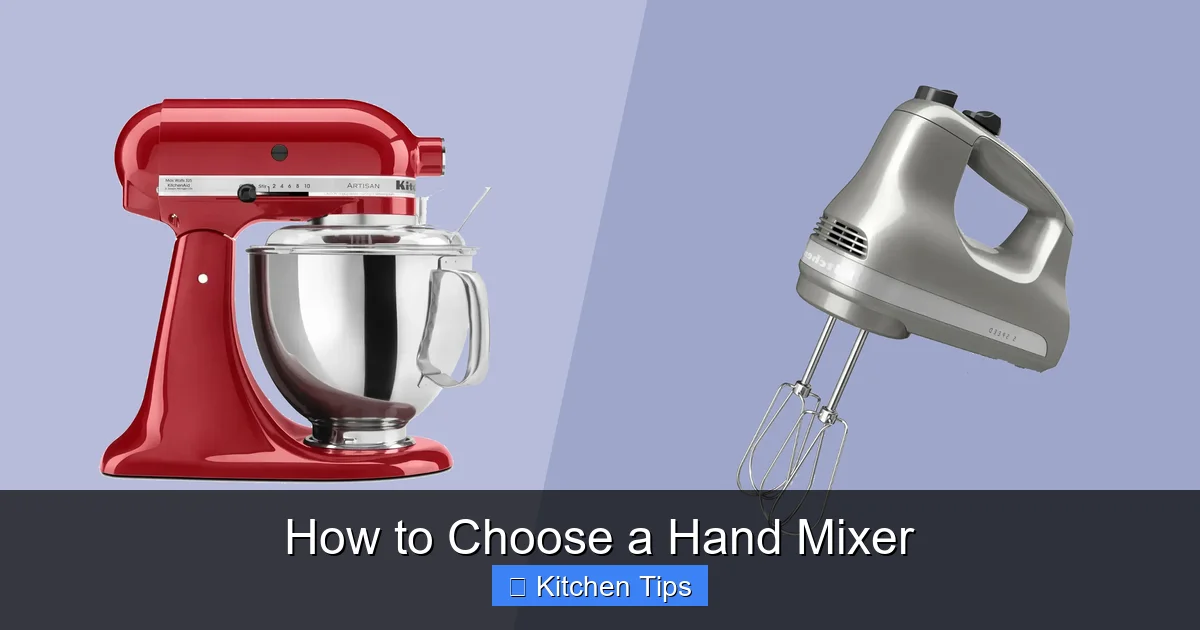
Knowing how to choose a hand mixer can completely transform your daily baking and cooking routine. By understanding key factors like motor power, speed settings, and attachment types, you can find a reliable kitchen tool that makes whipping cream and mixing dough effortless. This comprehensive guide will walk you through everything you need to know to make the best purchase for your home.
If you love to bake, you probably know how tiring it can be to whip cream or beat egg whites by hand. A good hand mixer is a total game-changer in the kitchen. It saves you time, spares your arms, and helps you achieve perfect culinary results every single time. But with so many options on store shelves, figuring out how to choose a hand mixer can feel a bit overwhelming.
You might wonder if you need a super powerful model or if a basic one will do the trick. Do you really need five speeds, or is nine even better? Don’t worry at all! In this guide, we are going to break down all the important details. We will look at motor power, attachments, comfort, and price so you can pick the absolute best hand mixer for your cooking style.
- Motor Power Matters: Look for a hand mixer with a motor of at least 200 to 250 watts to handle everything from light egg whites to thick cookie dough.
- Speed Settings Give Control: Choose models with multiple speeds and a slow-start feature to prevent messy flour clouds in your kitchen.
- Weight and Ergonomics Are Crucial: A lightweight design with a comfortable, non-slip grip prevents hand fatigue during long baking sessions.
- Attachment Quality Is Key: Ensure your mixer comes with sturdy, stainless steel attachments like traditional beaters, dough hooks, and a whisk.
- Easy Cleanup Saves Time: Look for dishwasher-safe accessories and a smooth body housing that wipes clean with a damp cloth.
- Cord Management Helps: Swiveling cords or cordless designs offer better maneuverability and simpler storage.
Understanding Motor Power and Performance
The very first thing to look at when you want to choose a hand mixer is the motor. The motor is the heart of the machine. It dictates what kind of tasks your mixer can handle without burning out.
Low-Wattage Versus High-Wattage Models
You will find hand mixers ranging anywhere from 150 watts up to 400 watts or more. If you only plan to make box cake mixes, whip cream, or beat light egg whites, a low-wattage model around 150 to 200 watts will work just fine. However, if you love making homemade bread, thick cookie dough, or heavy frostings, you need a stronger motor. Aim for something in the 250 to 350-watt range. A robust motor ensures the mixer will not stall or strain when it hits thick ingredients.
Understanding Torque and Speed Control
Wattage is not the only thing that matters. Good torque is what gives the mixer turning power at low speeds. You want a motor that maintains steady power even when the going gets tough. If your mixer slows to a crawl the moment it hits thick batter, it lacks good torque. Look for models that boast intelligent electronic feedback systems. These systems automatically sense resistance and pump more power to the beaters so the speed stays consistent.
Evaluating Speed Settings and Controls
Having control over how fast your beaters spin is super important. Different ingredients require different mixing speeds to turn out right.
Why Multiple Speeds Matter
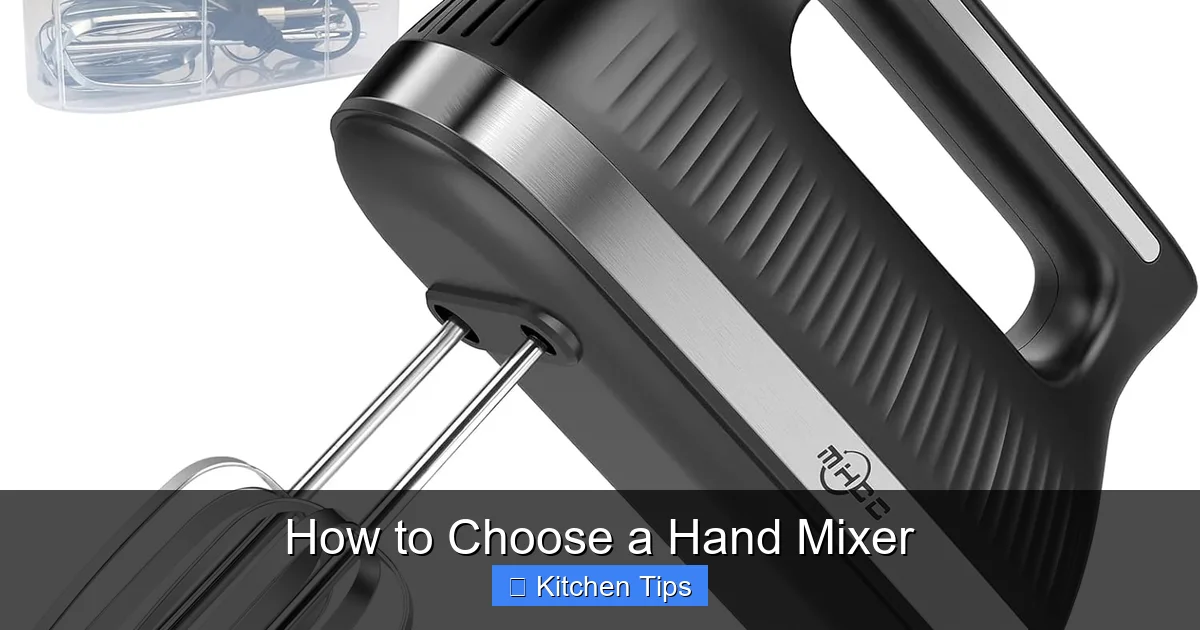
Cheap mixers often come with just three speeds: fast, faster, and way too fast. A better hand mixer usually offers five, seven, or even nine speed settings. Why does this matter? Because folding chocolate chips into a delicate muffin batter requires a very slow stir, while whipping heavy cream requires high speed. Having a wide range of speeds gives you ultimate control over your recipes.
The Magic of the Slow-Start Feature
Have you ever turned on a mixer and watched a cloud of white flour explode all over your counters? We have all been there! That is why the slow-start feature is an absolute must-have. When you learn how to choose a hand mixer, always check if the lowest speed starts off very gently. This clever design prevents ingredients from splashing out of the bowl and keeps your kitchen clean.
Checking Weight, Balance, and Ergonomics
You might not think about comfort until your hand starts cramping halfway through beating meringue. Ergonomics play a massive role in how much you will enjoy using your new appliance.
Weight Matters for Comfort
A heavy mixer can make your wrist sore very quickly. Most good hand mixers weigh between two and three pounds. This is usually the sweet spot. It is heavy enough to feel sturdy and well-made, but light enough to hold comfortably for five to ten minutes while you whip up a batch of birthday cupcakes.
Grips and Handle Design
Take a close look at the handle before you buy. Does it have a rubberized, non-slip grip? Is the handle shaped to fit naturally in your hand? A good handle makes the mixer feel balanced. When you hold it, the weight should rest naturally over the bowl, rather than pulling your wrist downward.
Looking at Attachments and Accessories
The beaters that come in the box can make or break your baking experience. Different tasks call for different tools.
Standard Beaters Versus Turbo Beaters
Most mixers come with traditional wire beaters. These are great for general mixing, batters, and light doughs. Some modern mixers feature flat beaters or turbo beaters with a center post. These designs mix ingredients faster and are much easier to scrape clean with a spatula.
Specialty Attachments
Think about what else you might want to bake. If you love making bread or yeast rolls, look for a mixer that includes dough hooks. These spiral metal rods knead heavy bread dough without clogging up like normal beaters do. Another great attachment is the wire whisk. It is shaped like a balloon and is fantastic for incorporating air into egg whites and heavy cream.
Considering Cleanup, Storage, and Convenience
Let’s be honest—nobody likes doing dishes or dealing with messy cords after baking delicious treats. Convenience features make a big difference in the long run.
Easy Cleaning and Dishwasher Safety
Check if the attachments are dishwasher safe. Stainless steel accessories that pop right into the dishwasher save so much time. Also, look at the body of the mixer. A smooth plastic or chrome housing without lots of cracks and crevices is much easier to wipe clean if batter splatters onto it during use.
Cord Management and Storage Cases
A dangling, tangled cord is a major annoyance in any kitchen. Some mixers feature a swivel cord that adjusts to your hand position whether you are left-handed or right-handed. Other models come with a snap-on storage case that holds the beaters and the cord right underneath the mixer body. This is a huge lifesaver if you are short on cabinet space.
Conclusion
Choosing the right hand mixer does not have to be a confusing chore. By keeping a few key features in mind—like a strong motor, a gentle slow-start speed, a comfortable handle, and the right attachments—you can find a tool that makes baking a joy instead of a workout. Take your time to think about what you love to bake most, and pick a model that fits your unique cooking style. With the right hand mixer by your side, you will be whipping up fluffy cakes, smooth frostings, and delicious cookies with total confidence!
Frequently Asked Questions
What is the ideal wattage for a good hand mixer?
A wattage between 200 and 300 watts is ideal for most home bakers. It provides enough power for everyday tasks like beating cake batter and whipping cream without being overly heavy or expensive.
Do I really need dough hooks if I already have a hand mixer?
Dough hooks are very helpful if you plan to make yeast bread, pizza dough, or heavy cookie dough. They prevent the motor from straining and knead the thick dough much better than standard wire beaters.
How can I prevent flour from flying everywhere when I turn on the mixer?
Look for a hand mixer that features a slow-start function, which begins at a very low speed. You can also drape a clean kitchen towel over the top of your mixing bowl to catch any stray flour particles.
Are stainless steel attachments better than chrome-plated ones?
Yes, solid stainless steel attachments are much more durable and resistant to rust and chipping over time. Chrome-plated beaters can sometimes flake off after repeated trips through the dishwasher.
Is a cordless hand mixer better than a corded one?
Cordless hand mixers offer fantastic portability and let you mix anywhere in the kitchen without worrying about outlet placement. However, corded models generally offer stronger, more consistent power for heavy-duty baking.
How do I properly clean and store my hand mixer?
Unplug the mixer and wipe the main body clean with a damp cloth, never submerging it in water. Wash the removable attachments by hand or place them in the dishwasher, and store the unit in a dry place with its cord neatly wrapped.