
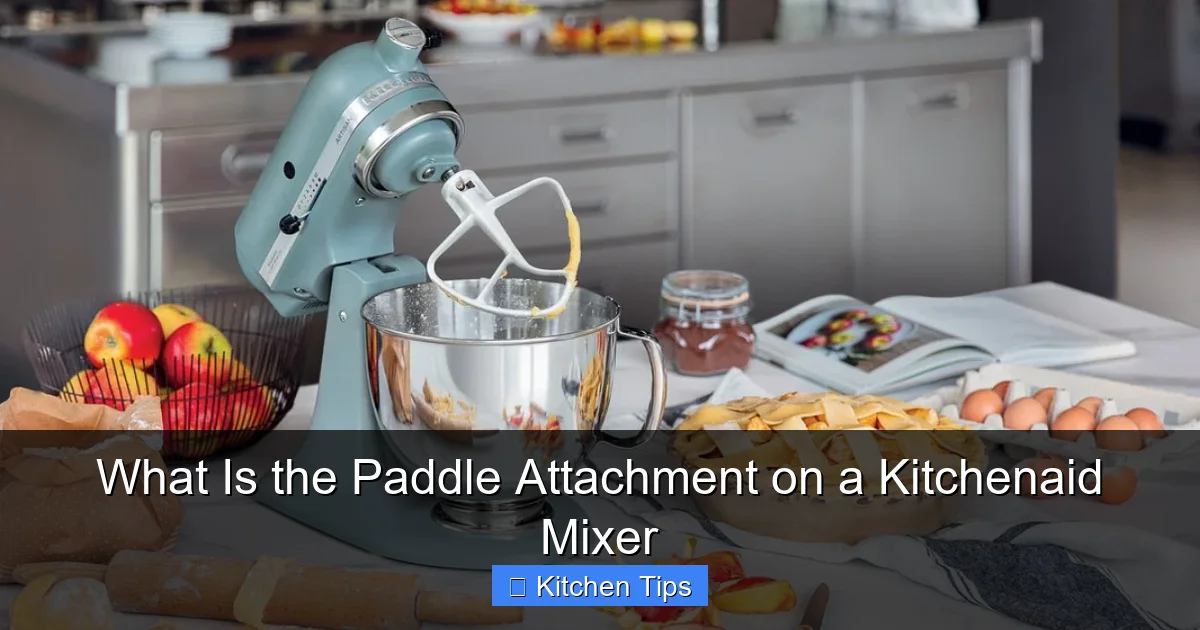
The paddle attachment on a KitchenAid mixer, officially known as the flat beater, is your ultimate go-to tool for everyday baking and cooking tasks. Designed to handle medium-heavy mixtures, it effortlessly blends ingredients like cookie dough, cake batter, and mashed potatoes without overworking them. Whether you are a baking beginner or a seasoned chef, understanding how to use your flat beater correctly will completely transform your time in the kitchen.
Have you ever stared at the attachments that came with your KitchenAid stand mixer and wondered what on earth you are supposed to do with them all? You are definitely not alone. When you unbox your shiny new mixer, you are usually greeted by a dough hook, a wire whip, and a flat piece of metal with a unique geometric shape.
That flat piece of metal is the star of our show today. Most people lovingly call it the paddle attachment. It is easily the most hardworking tool in your baking arsenal, yet many people do not realize just how versatile it truly is. Let us dive deep into what the paddle attachment on a KitchenAid mixer actually is, how it works, and how you can use it to take your homemade treats to the next level.
Key Takeaways
- The Official Name: The paddle attachment is officially called the flat beater by KitchenAid.
- Best Uses: It is ideal for mixing cakes, cookies, quick breads, frostings, and mashing potatoes.
- Consistency is Key: Unlike the whisk, it does not whip air into batter, and unlike the dough hook, it does not knead yeast bread.
- Material Matters: It typically comes in coated metal, stainless steel, or with a flexible silicone edge (the edge beater).
- Speed Settings: You should generally use medium speeds (levels 4 to 6) for optimal mixing results.
- Easy Maintenance: Most standard coated flat beaters are dishwasher safe, but always check your manual to be sure.
What Exactly Is the Paddle Attachment on a KitchenAid Mixer?
The paddle attachment on a KitchenAid mixer is formally known as the flat beater. It gets its nickname from its flat, paddle-like shape, which is designed to sweep the sides and bottom of the mixing bowl efficiently. While the wire whip is for adding air and the dough hook is for stretching gluten, the paddle attachment sits right in the middle.
The Design Behind the Paddle
If you look closely at the paddle attachment, you will notice its flat, angled blade design. This shape is not an accident. It is engineered to push ingredients outward and fold them back inward. This continuous motion ensures that your dry ingredients, like flour and sugar, blend smoothly with your wet ingredients, like butter and eggs, without leaving pockets of unmixed powder.
Different Variations of the Flat Beater
Not all paddle attachments are created equal. Depending on the model of your KitchenAid mixer, you might encounter a few different styles of the paddle attachment:
- Coated Metal: This is the standard white or silver paddle that comes with most tilt-head and bowl-lift mixers. It has a durable, chip-resistant enamel coating.
- Stainless Steel: A heavy-duty option that will not chip or flake, perfect for bakers who want a lifetime tool.
- Edge Beater (Flex Edge): A paddle attachment featuring a flexible silicone scraper on one side. It literally scrapes the bowl as it spins, saving you from stopping to use a spatula.
What Is the Paddle Attachment Used For?
Knowing what the paddle attachment on a KitchenAid mixer does will change how you approach your weekly meal prep. Because it handles medium-heavy mixtures, it is the MVP for a massive variety of everyday recipes.
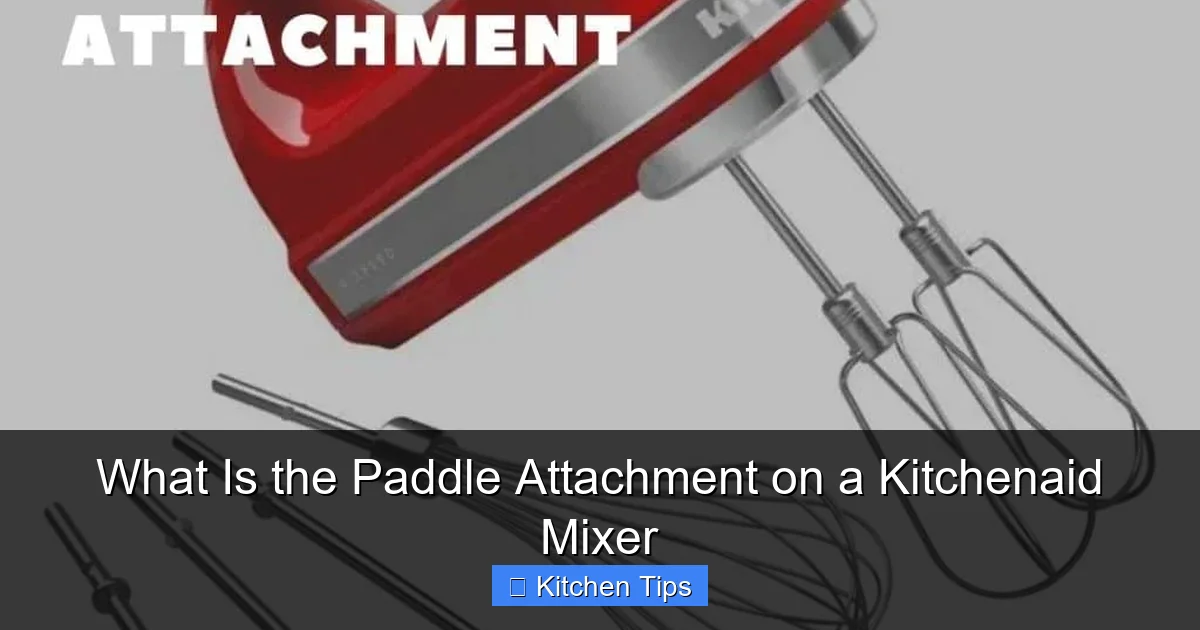
Visual guide about What Is the Paddle Attachment on a Kitchenaid Mixer
Image source: jodysbakery.com
Baking Cakes, Brownies, and Quick Breads
When you are making a birthday cake, a batch of fudgy brownies, or a loaf of banana bread, the flat beater is your best friend. It creams butter and sugar together until they are light and fluffy, trapping tiny air pockets that help your cakes rise. Then, it gently incorporates your flour and milk without overmixing.
Mixing Cookie Doughs
Chocoholics and cookie monsters rejoice! The paddle attachment is the undisputed king of cookie dough. Whether you are making classic chocolate chip cookies, chewy oatmeal raisin treats, or delicate sugar cookies, this attachment handles thick doughs with absolute ease. It beats the butter and sugars, incorporates the eggs, and folds in chocolate chips without breaking a sweat.
Savory Dishes and Mashed Potatoes
The paddle attachment is not just for sweet treats. You can use it for savory cooking tasks, too. Have you ever tried making garlic mashed potatoes in your KitchenAid? Pop on the paddle attachment, and you will get the creamiest, smoothest potatoes of your life in just a couple of minutes. You can also use it to shred cooked chicken or pork for tacos, blend meatloaf mixtures, or mix up homemade meatballs.
What the Paddle Attachment Should NOT Be Used For
To get the longest life out of your mixer and attachments, you need to know what the paddle attachment on a KitchenAid mixer is not meant to do. Using the wrong attachment can strain your motor or ruin your recipe.
Whipping Cream and Egg Whites
If you want to make whipped cream, meringue, or a delicate angel food cake, put the paddle away. You need the wire whip. The flat beater simply cannot incorporate enough air into these ingredients. You will end up with heavy, flat liquid instead of a fluffy cloud.
Kneading Yeast Bread Dough
It is tempting to use the paddle attachment when making pizza dough or artisan bread because it looks sturdy. Do not do it! Heavy yeast doughs require the dough hook. The dough hook is designed to stretch and knead gluten strands. If you use the paddle attachment for heavy bread dough, the dough will climb up the stem of the paddle, and you run the risk of burning out your mixer’s motor.
Tips and Tricks for Using Your Flat Beater
Mastering your mixer is all about the little details. Here are a few expert tips to help you get the most out of the paddle attachment on a KitchenAid mixer.
Mind Your Speeds
Different tasks require different speeds. For creaming butter and sugar, start low and move up to medium speed (around speed 4). When adding dry ingredients like flour, always drop your mixer down to speed 1 or 2. This simple trick prevents a massive cloud of flour from exploding all over your kitchen counters.
The Two-Inch Rule and Adjusting Clearance
Sometimes, your paddle might hit the bottom of the bowl, or it might sit too high, leaving unmixed butter at the very bottom. KitchenAid mixers have a little screw mechanism near the hinge of a tilt-head mixer that lets you adjust the height of the beater. Perform the dime test: place a dime at the bottom of the bowl and turn on the mixer. The paddle should just barely graze the dime.
Preventing Spills
Always use your pouring shield if you have one, or start your mixer on the lowest possible speed when adding loose powders. Adding a kitchen towel draped over the top of a tilt-head mixer is an old-school trick that still works wonders for keeping flour in the bowl.
Cleaning and Maintenance
Taking care of your attachments ensures they last for decades. The paddle attachment on a KitchenAid mixer is generally very easy to clean.
Hand Washing vs. Dishwasher
Most standard coated flat beaters are technically dishwasher safe. However, over time, harsh dishwasher detergents can dull the finish or cause the coating to chip. To keep your paddle looking brand new, wash it by hand in warm, soapy water with a non-abrasive sponge immediately after use. Stainless steel models are much more resistant to dishwasher wear and tear.
Dealing with Stubborn Stuck-On Dough
We have all been there: you forgot to wash your paddle attachment, and now the cookie dough has dried into concrete. Do not panic or scratch it with a metal knife. Simply soak the paddle attachment in warm, soapy water for 15 to 20 minutes. The dried dough will soften right up, and you can easily wipe it clean.
The paddle attachment on a KitchenAid mixer is truly the workhorse of your kitchen. By understanding its strengths, avoiding its limitations, and taking proper care of it, you will unlock endless culinary possibilities. From weekend baking projects to quick weeknight dinners, your flat beater is ready to make your time in the kitchen easier and much more fun.
Frequently Asked Questions
What is the paddle attachment on a KitchenAid mixer called officially?
KitchenAid officially refers to the paddle attachment as the flat beater. Both terms are used interchangeably by home bakers and culinary professionals alike.
Can I use the paddle attachment to make bread dough?
No, you should use the dough hook for yeast bread doughs. The paddle attachment is not designed to stretch and knead gluten, and using it for heavy doughs can strain your mixer’s motor.
Is the KitchenAid paddle attachment dishwasher safe?
Most standard coated paddle attachments are dishwasher safe, but hand washing in warm, soapy water is recommended to prevent the coating from dulling or chipping over time.
Why is my paddle attachment hitting the bottom of the bowl?
Your mixer likely needs a simple height adjustment. Tilt-head models feature a small screw inside the hinge mechanism that allows you to raise or lower the beater clearance.
Can I use the flat beater to whip cream?
No, you should use the wire whip attachment for whipping cream or egg whites. The paddle attachment cannot incorporate enough air to create fluffy whipped textures.
What is a flex edge beater?
A flex edge beater is a special type of paddle attachment that features a flexible silicone edge on one side. As it spins, it automatically scrapes the sides and bottom of the mixing bowl for you.