
Are KitchenAid mixer parts dishwasher safe? The short answer is that it depends entirely on the specific attachment and the material it is made of. While some stainless steel pieces can handle the dishwasher, traditional aluminum beaters and dough hooks will oxidize and discolor, meaning they must be washed by hand to protect your investment.
Picture this: you just finished baking a massive batch of chocolate chip cookies. Your counter is covered in flour, and your KitchenAid stand mixer has dough clinging to every single crevice. You look at the attachments, then look at your dishwasher, and the big question pops into your head: are KitchenAid mixer parts dishwasher safe? It is one of the most common dilemmas for home bakers who want to save time on cleanup without ruining their favorite kitchen appliance.
The truth is that throwing everything into the dishwasher might seem like a quick fix, but it can actually spell disaster for certain components. KitchenAid makes different attachments out of various metals and materials, and each reacts differently to the high heat, intense water pressure, and harsh detergents found in modern dishwashers. If you want to keep your mixer running smoothly and looking brand new for years to come, understanding proper cleaning habits is an absolute must.
Key Takeaways
- Material Matters: Always check the material of your KitchenAid mixer parts before putting them in the dishwasher.
- Aluminum Discoloration: Standard coated or burnished aluminum parts will turn gray and chalky in the dishwasher.
- Stainless Steel Safety: True stainless steel attachments, bowls, and wire whips with stainless wires are generally dishwasher safe.
- Bowl Care: Glass and stainless steel bowls are dishwasher safe, but ceramic and brushed metal bowls may need special care.
- Handwashing is Safest: When in doubt, handwashing with warm, soapy water extends the life of all your mixer parts.
- Check the Manual: Always refer to your specific model’s user manual for the most accurate manufacturer guidelines.
📑 Table of Contents
Understanding Your KitchenAid Mixer Parts
Before you load up the dishwasher, you need to know what your attachments are actually made of. KitchenAid does not use a single material for all of its accessories. Instead, they use burnished aluminum, coated aluminum, stainless steel, plastic, and even glass or ceramic.
The Material Breakdown
Burnished aluminum is the traditional, raw metal finish found on many standard flat beaters and C-shaped dough hooks. Coated aluminum parts have a white enamel or nylon coating over the base metal. Stainless steel attachments feature a shiny, silver look that is completely uniform. Knowing which material you are holding determines whether your KitchenAid mixer parts dishwasher safe journey ends in success or frustration.
Why Dishwasher Cycles Damage Metals
Dishwashers rely on aggressive chemical detergents that are often highly alkaline, combined with scorching hot water drying cycles. These harsh conditions strip away protective layers on soft metals like aluminum. Once that protective layer goes, oxidation sets in quickly, leading to pitting, rough texture, and unsightly black residue that can easily ruin your next batch of white cake batter.
Which Attachments Can Go in the Dishwasher?
Let us break down the standard attachments to see which ones can handle the automated wash cycle and which ones demand the kitchen sink treatment.
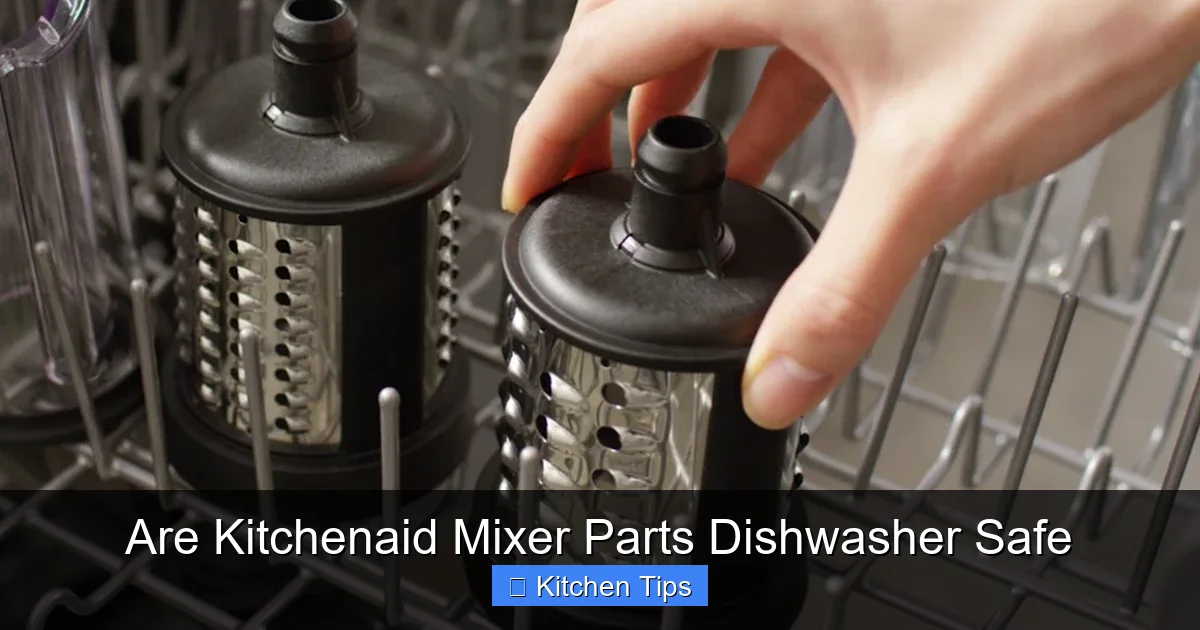
Visual guide about Are Kitchenaid Mixer Parts Dishwasher Safe
Image source: images.ctfassets.net
Stainless Steel Powerhouses
If you own professional-style attachments made entirely of true stainless steel, you are in luck. True stainless steel flat beaters, stainless steel dough hooks, and stainless steel wire whips (with stainless wires and hubs) are generally dishwasher safe. They do not have a coating to strip away and resist corrosion remarkably well.
Plastic and Silicone Edge Components
Attachments like the Flex Edge Beater, which features a silicone scraper blade, often come with manufacturer instructions stating they are top-rack dishwasher safe. The plastic body and silicone fin withstand standard dishwasher temperatures without warping, though handwashing still helps the silicone last longer.
Which Attachments Must Be Handwashed?
Now for the tricky part: the attachments that will suffer permanent damage if they accidentally find their way into a dishwasher cycle.
Burnished Aluminum Beaters and Hooks
Are KitchenAid mixer parts dishwasher safe if they are made of burnished aluminum? Absolutely not. Burnished aluminum lacks a protective enamel coating. When exposed to dishwasher detergent, the metal oxidizes instantly. This turns the attachment a dark gray or black color that rubs off on your hands and, worse, into your food. Always wash burnished aluminum by hand using warm water and mild dish soap.
Coated Aluminum Parts
Standard white or silver coated aluminum beaters and dough hooks often feature a disclaimer in the user manual. While some older manuals suggested they were dishwasher safe, newer guidelines strongly recommend handwashing. Over time, the dishwasher detergent breaks down the microscopic bonds of the coating, causing it to chip, flake, and peel away to reveal the raw aluminum underneath.
Traditional Wire Whips
Standard wire whips that come with tilt-head mixers usually feature an aluminum base hub with stainless steel wires. That aluminum hub is the weak point. Running a standard wire whip through the dishwasher causes the aluminum hub to oxidize, loosen the wires, and leave a dark, powdery residue. Handwashing these whips in warm, soapy water is always the safest bet.
Cleaning Bowls and Additional Accessories
Beyond the beaters, your KitchenAid mixer comes with a mixing bowl and potentially extra hubs like the pouring shield. How do these hold up to automated cleaning?
Stainless Steel and Glass Bowls
Standard stainless steel mixing bowls are entirely dishwasher safe. You can toss them right in without a second thought. Glass bowls designed for tilt-head mixers are also dishwasher safe, though you should place them securely on the bottom rack to prevent chipping during the cycle.
Ceramic and Brushed Metal Bowls
Decorative ceramic bowls are typically dishwasher safe, but check for any manufacturer notes regarding thermal shock. Brushed or patterned specialty metal bowls, however, should usually be handwashed to preserve their unique exterior finishes from fading or scratching.
Pouring Shields and Food Grinder Parts
Plastic pouring shields are generally top-rack dishwasher safe. On the other hand, if you use attachment hubs like the food grinder or pasta roller, most of those internal metal components are strictly handwash only to prevent rust and preserve moving parts.
Tips for Maintaining Your KitchenAid Mixer Parts
Proper maintenance goes beyond just deciding between the sink and the dishwasher. A few simple habits will keep your baking tools in pristine condition for decades.
The Right Way to Handwash
To handwash your sensitive aluminum attachments, fill your sink with warm water and a few drops of mild dish soap. Use a non-scratch sponge or dishcloth to wipe away stubborn batter. Avoid abrasive scouring pads that can scratch the surface finishes. Dry your attachments immediately with a clean microfiber towel to prevent water spots.
Fixing Oxidized Aluminum
Did an accidental dishwasher run turn your favorite beater gray and powdery? Do not panic. You can often rescue oxidized aluminum by scrubbing the part with a paste made of cream of tartar and water, or by wiping it down with a cloth dipped in white vinegar or lemon juice. Rinse thoroughly and dry completely.
Conclusion
So, are KitchenAid mixer parts dishwasher safe? The answer requires a quick double-check of your specific components. While stainless steel bowls, true stainless steel attachments, and certain plastic pieces can handle the dishwasher with ease, traditional aluminum beaters, dough hooks, and wire whips must be washed by hand. Taking an extra minute to wash those sensitive pieces in the sink saves you from ruined attachments, discolored metal, and the headache of replacing expensive baking tools. Treat your mixer parts with care, and they will help you bake delicious treats for a lifetime.
Frequently Asked Questions
Can I put my KitchenAid flat beater in the dishwasher?
It depends on the material. If your flat beater is made of burnished or coated aluminum, you must handwash it to prevent oxidation and chipping. Only all-stainless steel beaters are completely dishwasher safe.
Why did my KitchenAid attachment turn gray in the dishwasher?
Harsh dishwasher detergents react with exposed aluminum, causing a chemical oxidation process that turns the metal a dark, chalky gray. This residue can rub off onto food, so it is best to avoid the dishwasher for all aluminum parts.
Are KitchenAid stainless steel bowls dishwasher safe?
Yes, standard stainless steel mixing bowls are completely dishwasher safe and can withstand high temperatures and strong detergents without rusting or discoloring.
How do I clean my wire whip attachment safely?
You should always handwash your wire whips in warm, soapy water. The aluminum base hub on standard wire whips will oxidize and discolor if put through a dishwasher cycle.
Can I fix an aluminum attachment that turned dark gray?
Yes, you can often remove oxidation by scrubbing the attachment with a paste made of cream of tartar and water, or by wiping it with white vinegar before rinsing and drying thoroughly.
Are KitchenAid attachments top-rack only in the dishwasher?
Some plastic components, like pouring shields or silicone edge beaters, are labeled as top-rack dishwasher safe. However, always verify your specific model’s manual to ensure the heat from the bottom heating element will not warp the plastic.