
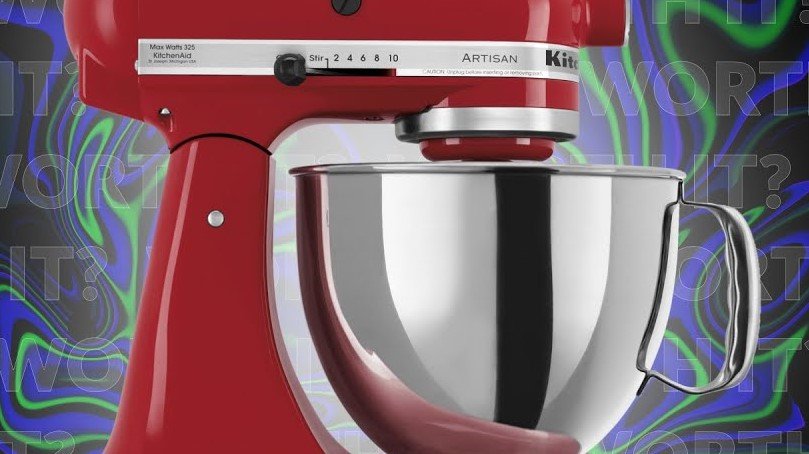
A KitchenAid stand mixer typically costs between $300 and $700 depending on the model, capacity, and included attachments. While prices fluctuate based on seasonal sales and specific series, investing in a high-quality mixer is a long-term kitchen upgrade that lasts for decades.
If you have ever spent an afternoon kneading bread dough by hand or whisking egg whites until your arm felt like it might fall off, you have probably dreamed of owning a KitchenAid stand mixer. It is the gold standard of home baking, the machine that sits proudly on counters in cooking shows and Pinterest feeds alike. But once the dream sets in, the next question is always the same: how much does a KitchenAid stand mixer cost?
In 2026, the price range for these iconic appliances is broader than ever. Whether you are a casual cookie maker or a dedicated sourdough enthusiast, there is a model designed for your lifestyle. Understanding the cost breakdown helps you avoid overspending on features you do not need while ensuring you get a machine that can actually handle the work you want to do.
Key Takeaways
- Entry-Level Pricing: Expect to pay around $300 to $350 for the classic tilt-head series, which is perfect for most home bakers.
- Professional Series: High-performance bowl-lift models often range from $450 to $650 due to their larger motor capacity and heavy-duty construction.
- Hidden Value: You aren’t just buying a machine; you are investing in a durable appliance that often holds its value for resale or lasts over 20 years.
- Seasonal Sales: Major holidays like Black Friday, Prime Day, and Mother’s Day are the best times to find significant discounts on these mixers.
- Attachments Add Up: Remember that special attachments like pasta rollers or food grinders are sold separately and can increase your total cost.
- Refurbished Options: Buying factory-refurbished units directly from KitchenAid can save you $100 or more while still including a reliable warranty.
The Different Types of KitchenAid Mixers
When asking how much does a KitchenAid stand mixer cost, you first have to identify which category of mixer you are looking at. KitchenAid primarily divides their mixers into two main designs: the tilt-head and the bowl-lift.
The Tilt-Head Series
The tilt-head is the most recognizable design. The top of the mixer tilts back, making it very easy to add ingredients or change out the mixing paddle. These are generally the most affordable models. They are compact, powerful enough for batches of cookies, muffins, and standard cakes, and fit perfectly under most kitchen cabinets. Prices for these models usually hover around the $300 to $400 mark.
The Bowl-Lift Series
If you are serious about bread or baking for a crowd, the bowl-lift model is the way to go. Instead of tilting the head, the bowl sits on a stationary support and is raised into the beaters using a lever. These machines are heavier, more stable, and usually feature larger, more powerful motors. Because of their heavy-duty build, the cost for these generally starts around $450 and can climb to $700 or more for professional-grade versions.
What Factors Influence the Price?
Why is there a $400 difference between the cheapest and most expensive models? It comes down to engineering and accessories. When you look at how much does a KitchenAid stand mixer cost, you are paying for the durability of the internal gears, the size of the motor, and the capacity of the stainless steel bowl.

Visual guide about How Much Does a Kitchenaid Stand Mixer Cost
Image source: cdn.apartmenttherapy.info
Motor Power and Capacity
The wattage of the motor is a big price factor. A standard 250-watt motor is fine for light baking, but it will struggle with heavy bread dough. If you upgrade to a 500-watt or 600-watt motor, the cost goes up, but so does the machine’s longevity. Similarly, the bowl capacity—which ranges from 3.5 quarts to 7 quarts—affects the price. Bigger bowls require larger, stronger frames to support them.
Finish and Aesthetics
Believe it or not, the color and finish can impact the price tag. KitchenAid releases limited-edition colors, metallic finishes, and premium textures. While a standard “Empire Red” or “White” model is usually at the base price, a custom copper or matte black finish might cost a premium. If you are budget-conscious, sticking to a classic color is a great way to save a little cash.
Finding the Best Deals in 2026
You never have to pay full retail price if you are patient. In 2026, retailers compete aggressively for your business. Knowing when to buy is just as important as knowing how much does a KitchenAid stand mixer cost.
Shop the Holiday Sales
The best time to buy is undoubtedly during major holiday events. Black Friday and Cyber Monday offer the deepest discounts of the year. However, don’t overlook Mother’s Day or back-to-school season. Stores often bundle mixers with free accessories during these times, which adds value even if the base price stays steady.
Consider Factory Refurbished
If you want to save significant money, look for factory-refurbished units on the official KitchenAid website. These machines are inspected and tested to function like new. You can often save $100 to $150 compared to a brand-new model. Plus, they usually come with a solid warranty, so you don’t have to worry about reliability.
Hidden Costs: Attachments and Accessories
One common mistake people make is only budgeting for the mixer itself. To truly understand how much does a KitchenAid stand mixer cost to operate in your kitchen, you have to account for the attachments. The standard mixer comes with a flat beater, a dough hook, and a wire whip. That is enough to get started, but the magic happens when you expand.
The Food Grinder and Pasta Roller
Many owners eventually want to grind their own meat or roll out fresh pasta. These attachments are sold separately and typically cost between $70 and $150 each. If you are planning on buying a few of these, factor them into your initial budget. You can often find “bundle” deals where a mixer comes with a few accessories pre-packaged at a discount.
Bowls and Splash Guards
A second bowl is a lifesaver when you are baking multiple batches. Depending on whether you want glass or stainless steel, a spare bowl can cost between $50 and $100. A splash guard, which prevents flour from flying all over your counter, is a small investment of about $20 that is well worth the cost.
Is a KitchenAid Mixer Worth the Investment?
For many, the initial shock of the price tag is tempered by the product’s lifespan. These mixers are famous for being “heirloom” quality. It is not uncommon to find a grandmother’s mixer from the 1980s still running perfectly today. When you calculate how much does a KitchenAid stand mixer cost over twenty years, it actually ends up being a very economical appliance.
Low Cost of Ownership
Because these machines are built to last, you aren’t replacing them every two or three years like you would with a cheap handheld mixer. They are also easy to repair. If something breaks, parts are widely available. This longevity makes them a sustainable choice for your kitchen, reducing waste and saving money in the long run.
Resale Value
If you ever decide to upgrade or stop baking, a KitchenAid mixer holds its value incredibly well. You can easily sell a used model on online marketplaces for a significant portion of what you originally paid. This high resale value means that your net investment is much lower than the upfront cost suggests.
Conclusion
When you ask yourself how much does a KitchenAid stand mixer cost, remember that you are looking at more than just a price tag. You are looking at a versatile, durable kitchen companion that can handle everything from delicate meringues to heavy sourdough loaves. While you can expect to spend anywhere from $300 to $700 depending on the model and features, the value it provides over a lifetime of baking is well worth the expense.
Take the time to evaluate your baking habits. If you are just starting out, a standard tilt-head model is perfect. If you are a professional-grade home baker, look toward the bowl-lift series. No matter which you choose, keep an eye out for sales, explore refurbished options, and enjoy the process of creating delicious food. With the right care, your new mixer will be a staple in your home for years to come.
Frequently Asked Questions
Is the most expensive KitchenAid mixer always better?
Not necessarily; it depends on your needs. The most expensive models are larger and more powerful, which is great for bread makers, but they may be overkill for someone who only makes occasional batches of cookies.
Do prices change much between different colors?
Generally, no, but limited-edition colors or premium finishes can sometimes cost $20 to $50 more than the standard factory colors. Sticking to classic colors is usually the best way to keep your cost down.
Where is the best place to find the lowest price?
The official KitchenAid website is great for refurbished deals, while major retailers like Amazon, Target, and Williams-Sonoma offer competitive pricing and seasonal discounts during major holidays.
Are the attachments compatible with all models?
Most attachments are designed to fit the universal hub on all KitchenAid stand mixers. However, you should always check the specific bowl capacity and model type to ensure a perfect fit for bowls and beaters.
Should I buy a refurbished unit to save money?
Yes, buying factory-refurbished is an excellent way to save money without sacrificing quality. These units are professionally tested and often include a warranty that provides peace of mind.
How long does a KitchenAid stand mixer typically last?
With proper care and regular maintenance, a KitchenAid stand mixer can easily last 20 to 30 years. Their all-metal construction is designed to withstand decades of regular kitchen use.