
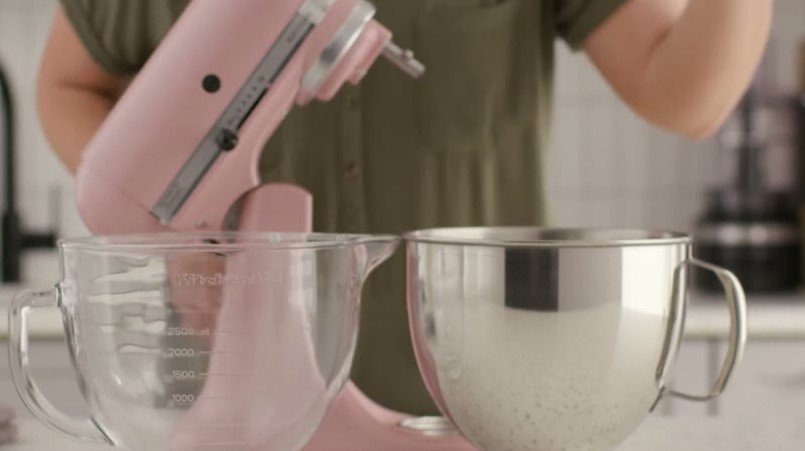
Most stainless steel KitchenAid bowls are dishwasher safe, but materials like glass, ceramic, or copper often require careful hand washing. Always check your specific model’s manual before using the dishwasher to prevent discoloration, chipping, or permanent damage to your favorite mixer accessories.
You have just finished baking a massive batch of cookies or a loaf of sourdough bread. Your kitchen is covered in flour, and your heavy KitchenAid mixer bowl is caked in sticky dough. The last thing you want to do after a long cooking session is stand over the sink scrubbing a giant metal bowl. You look at your dishwasher and wonder: can you put KitchenAid bowl in dishwasher?
It is the question that haunts home bakers everywhere in 2026. While technology in our kitchens continues to improve, the materials we use for mixing bowls remain quite varied. Some bowls are built like tanks, while others are delicate pieces of art. Understanding the specific material of your bowl is the secret to keeping your mixer in top shape for years to come.
Key Takeaways
- Stainless Steel Bowls: These are generally dishwasher safe, but verify if yours has any special coatings that might react to harsh detergents.
- Glass and Ceramic Bowls: These should almost always be hand-washed to prevent microscopic cracks or thermal shock breakage.
- Copper and Specialty Finishes: These delicate surfaces require hand washing with mild soap to maintain their luster and prevent oxidation.
- The “Dishwasher Safe” Label: Even if a bowl is labeled dishwasher safe, it may last longer if washed by hand to avoid detergent residue or pitting.
- Detergent Choice: If you do use a dishwasher, choose a gentle, non-abrasive detergent to protect the structural integrity of the bowl.
- Positioning Matters: Always place your bowl upside down or at an angle to ensure water drains properly and doesn’t collect in the base.
The Standard Stainless Steel Bowl
For most KitchenAid owners, the stainless steel bowl is the workhorse of the kitchen. If you own the classic tilt-head or bowl-lift stand mixer, you likely have one of these. The good news is that most standard stainless steel KitchenAid bowls are officially rated as dishwasher safe.
Why Stainless Steel Performs Well
Stainless steel is non-porous and incredibly durable. It can withstand the high heat cycles of a modern dishwasher without warping. Unlike plastic, it does not absorb odors or stains from your ingredients. Because it is a robust material, it handles the mechanical action of water jets in a dishwasher quite well.
Best Practices for Loading
Even though your stainless steel bowl can handle the dishwasher, it is not invincible. You should avoid overcrowding the rack. If your bowl is pressed against a plastic plate or a glass container, the vibrations during the wash cycle could cause small scratches. Position the bowl on the bottom rack, placed firmly over the tines so it stays secure throughout the cycle.
When to Avoid the Dishwasher: Glass and Ceramic
If you own the beautiful glass bowls with measurement markings or the decorative ceramic bowls that make your mixer look like a centerpiece, you need to pause. You should almost never put these in the dishwasher. While some manufacturers claim they are dishwasher safe, the reality is much more nuanced for long-term care.

Visual guide about Can You Put Kitchenaid Bowl in Dishwasher
Image source: kitchenaid-h.assetsadobe.com
The Danger of Thermal Shock
Glass and ceramic are susceptible to thermal shock. Dishwashers use cycles that fluctuate between very hot water and cooler rinsing stages. This rapid change in temperature can create micro-fractures in the material. Over time, these tiny cracks grow until the bowl suddenly shatters, either in your hands or during a future mixing session.
Preserving the Finish
Ceramic bowls often feature intricate glazes or hand-painted designs. The harsh chemicals in modern dishwasher detergents are highly abrasive. Using the dishwasher repeatedly will eventually dull the shine of your ceramic bowl and may even lead to the glaze chipping away. For these beautiful bowls, warm water, a soft cloth, and gentle dish soap are the best tools for the job.
Specialty Finishes and Copper Bowls
KitchenAid has released many limited-edition mixers over the years, including those with copper-plated or metallic-coated stainless steel bowls. If you have spent extra money to get a unique finish, you should treat it with the care of a piece of fine jewelry. Putting a copper-plated bowl in the dishwasher is a recipe for disaster.
The Oxidation Problem
Copper is highly reactive. The high heat and the chemical composition of dishwasher pods will cause the copper to tarnish and darken almost immediately. You will lose that brilliant, warm glow that made you fall in love with the bowl in the first place. You might also find that the protective lacquer coating starts to peel away, leaving the metal underneath exposed to air and moisture.
How to Clean Delicate Bowls
To clean a copper or metallic-finished bowl, skip the machine entirely. Use a soft sponge and a mild, ph-neutral dish soap. Rinse it thoroughly with warm water and—this is the most important part—dry it immediately with a soft microfiber towel. Allowing the bowl to air dry can lead to water spots that are incredibly difficult to remove without polishing.
The Detergent Factor
A major reason people worry about whether they can put a KitchenAid bowl in the dishwasher is the detergent itself. Modern dishwasher detergents are significantly more powerful than they were a decade ago. They are designed to strip away grease, but they can be aggressive toward certain metal alloys.
Avoiding Corrosion
If you decide to wash a stainless steel bowl in the dishwasher, skip the “heavy duty” or “sanitization” cycles if your bowl is looking a bit dull. These cycles use hotter water and stronger chemical concentrations. Also, be wary of detergents that contain bleach or citrus additives. These ingredients can interact with stainless steel and lead to localized pitting or “tea staining,” which looks like small, rusty brown spots on the surface.
Rinsing is Key
If you have been working with heavy doughs or acidic ingredients like tomato sauce or lemon juice, rinse the bowl thoroughly by hand before putting it in the dishwasher. Leaving acidic food residue on the metal while it sits in the dishwasher waiting for a cycle to start can accelerate corrosion. A quick rinse keeps the chemistry of the bowl stable.
Maximizing the Lifespan of Your Mixer Accessories
Your KitchenAid mixer is an investment. Taking care of the bowl is just as important as taking care of the motor head. By choosing the right cleaning method, you ensure that your equipment stays functional and beautiful for decades.
The Hand-Wash Advantage
Even if the manual says “dishwasher safe,” there is an undeniable benefit to hand washing. By using your hands, you can immediately spot any issues like sticky dough remnants or early signs of wear. You control the water temperature and the pressure, ensuring that your bowl is never subjected to the aggressive environment of a dishwasher. For those who use their mixer daily, a quick hand wash takes less than a minute and saves you from potential long-term damage.
Drying Techniques
Whether you hand wash or use the dishwasher, ensure the bowl is completely dry before storing it. Water trapped between the bowl and the mixer base, or water left to sit in the bottom of a nested bowl, can cause unnecessary moisture buildup. This is especially true for attachments or bowl-lift arms that might also be stored near the bowl. A dry, clean bowl is a happy, long-lasting bowl.
Conclusion
So, can you put your KitchenAid bowl in the dishwasher? The answer is a resounding “it depends.” If you have a standard stainless steel bowl, you are likely in the clear to use the dishwasher, provided you use common sense regarding loading and detergent choice. If you have invested in glass, ceramic, or a beautiful copper-finished bowl, skip the machine and stick to the sink.
Your KitchenAid mixer is a culinary partner. Treat it with the respect it deserves, and it will help you create thousands of meals for years to come. When in doubt, grab a sponge, a little soap, and take that extra minute to hand wash. Your future self—and your mixer—will thank you for it.
Frequently Asked Questions
Is the standard stainless steel KitchenAid bowl truly dishwasher safe?
Yes, the standard polished or brushed stainless steel bowls are dishwasher safe. However, avoid harsh detergents to prevent potential pitting or discoloration over time.
Can I put my glass KitchenAid bowl in the dishwasher?
It is generally recommended to hand wash glass bowls. High heat cycles can lead to thermal shock, which may cause the glass to crack or shatter.
Why does my stainless steel bowl have small spots after washing?
These spots are often caused by hard water mineral deposits or a reaction between the metal and strong dishwasher detergents. A quick wipe with white vinegar usually removes these marks easily.
Are the dough hook and paddle also dishwasher safe?
Most coated metal accessories are dishwasher safe, but uncoated aluminum attachments should always be hand-washed. Dishwashers can cause aluminum to oxidize and turn a dull gray color.
Does hand washing extend the life of the bowl?
Absolutely, hand washing prevents the microscopic damage caused by high-pressure water jets and abrasive detergents. It preserves the finish and structural integrity of both stainless steel and specialty bowls.
What should I do if my bowl feels greasy after the dishwasher?
This often happens if the dishwasher is overloaded or if the water temperature is too low to break down fats. Simply give it a quick manual wash with a grease-cutting dish soap to remove the film.