
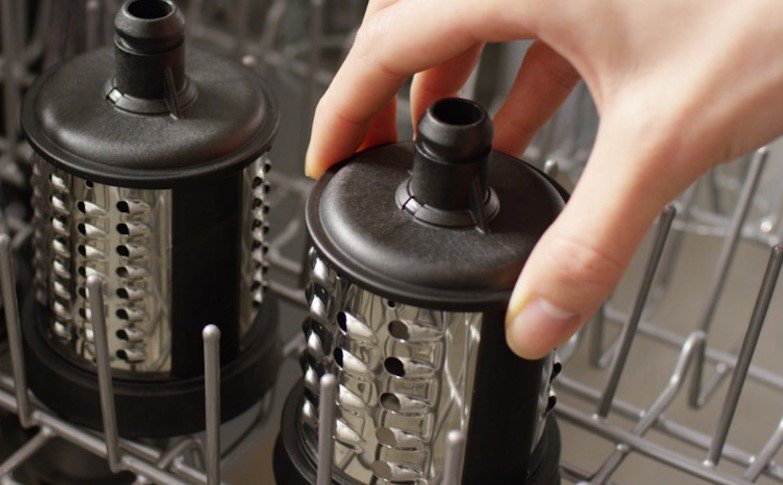
Most modern KitchenAid stainless steel mixing bowls are dishwasher safe, but many specialty finishes or older models are not. Always check the base of your bowl for a “Dishwasher Safe” stamp and avoid the heated dry cycle to prevent potential damage to your mixer’s accessories.
You have just finished whipping up a batch of triple-chocolate cookies or a massive loaf of sourdough bread. Your KitchenAid stand mixer has done all the heavy lifting, but now you are staring at a sticky, flour-covered bowl. We have all been there. You look at your dishwasher, then at the bowl, and wonder, can I put my KitchenAid mixing bowl in the dishwasher? It is the age-old question for every home baker in 2026.
The short answer is: it depends. KitchenAid has been around for decades, and they have produced countless variations of their iconic mixing bowls. While some are built to withstand the high-pressure jets and extreme heat of a modern dishwasher, others are far too delicate for such treatment.
Using the wrong cleaning method can lead to dulling, chipping, or even warping. Let’s dive into the details so you can keep your kitchen equipment looking brand new for years to come.
Key Takeaways
- Material Matters: Stainless steel is generally safe, but glass, ceramic, and coated bowls require hand washing to prevent chips or finish peeling.
- The “Dishwasher Safe” Stamp: Always look for the laser-etched mark on the bottom of your bowl before running a cycle.
- Skip the Heat: Even if a bowl is safe, intense heat can dull finishes or warp delicate attachments, so opt for the air-dry setting.
- The Problem with Coated Bowls: If your bowl has a white or colored enamel coating, the dishwasher will likely cause it to chip or flake over time.
- Hand Wash for Longevity: Even for dishwasher-safe items, hand washing preserves the shine and prevents water spots.
Understanding Your Bowl Material
Stainless Steel Bowls
The classic polished stainless steel bowl is the workhorse of the KitchenAid lineup. If you own a standard, uncoated stainless steel bowl, you are in luck. These are almost always dishwasher safe. They are durable, non-reactive, and designed to handle the rigors of a commercial or home kitchen.
However, even with these, you need to be mindful of how you load them. Placing them on the bottom rack is usually fine, but ensure they are not rattling against other heavy metal items, which could cause minor scratching.
Glass and Ceramic Bowls
If you prefer the aesthetic of the glass or decorative ceramic bowls, caution is required. While many of the newer glass bowls are marketed as dishwasher safe, they are heavy and prone to breakage. A dishwasher is a high-vibration environment.
Over time, micro-cracks can develop in the glass, which may lead to a dangerous shattering event. For ceramic bowls, the main concern is the glaze. High-heat dishwasher cycles can lead to “crazing,” or tiny cracks in the ceramic finish, which can eventually trap food particles and bacteria.
Coated and Specialty Bowls
Some KitchenAid models come with enamel-coated or specialty-finished bowls. These are beautiful, but they are generally NOT dishwasher safe. The intense heat and harsh detergents found in modern dishwashing pods will eventually cause the coating to flake, peel, or bubble. If you own a bowl with a colored exterior or a special non-stick interior, you should strictly avoid the dishwasher to keep the finish intact.
The Truth About Dishwasher Detergents
The Harshness of Modern Pods
It is not just the water temperature that poses a risk; it is the chemicals. In 2026, many dishwasher detergents are highly concentrated. These chemicals are designed to break down grease and proteins on dishes.
Unfortunately, they can also act as an abrasive on certain finishes. If you insist on using the dishwasher, try to use a mild, eco-friendly detergent. This can reduce the risk of oxidation or “fogging” on your stainless steel surfaces.
Visual guide about Can I Put My Kitchenaid Mixing Bowl in the Dishwasher
Image source: cdn.mos.cms.futurecdn.net
Preventing Corrosion and Dulling
Have you ever noticed your stainless steel looking a bit cloudy after a wash? That is often a reaction to mineral-heavy water combined with harsh soaps. If you live in an area with hard water, your dishwasher might leave white spots on your bowl.
This does not mean the bowl is ruined, but it does mean that the protective layer of the metal is being affected. Hand washing is always the safest bet to maintain that “mirror” shine that makes your mixer look so professional on your countertop.
Proper Loading Techniques
The Top Rack vs. Bottom Rack
If you have determined that your bowl is dishwasher safe, where should it go? Ideally, place it in the bottom rack, face down. This allows the spray arms to hit the inside of the bowl directly. Avoid crowding the bowl with other heavy pans.
If the bowl is wedged tightly against other items, the vibration can cause surface scratches. Also, ensure that the bowl is not blocking the spray arm from rotating; if the arm cannot move, your dishes will not get clean anyway.
Handling Accessories with the Bowl
Many people toss their flat beaters and dough hooks into the dishwasher along with the bowl. Be very careful here. Some coated beaters will lose their finish after just one wash cycle. Check your specific accessory guidelines.
If you have an older mixer, your beaters might be made of un-coated aluminum. Dishwashers will turn aluminum into a dull, grey, chalky mess. Keep those out of the dishwasher at all costs, even if the bowl itself is safe to go in.
The Benefits of Hand Washing
Why Experts Suggest Hand Washing
Even if a manufacturer says “dishwasher safe,” it usually means the item will survive the cycle, not that it will stay in pristine condition forever. Hand washing allows you to be gentle. A simple sponge, warm water, and a drop of dish soap are enough to clean a mixing bowl. This method eliminates the risk of high-heat warping, chemical etching, and physical damage from other dishes in the machine.
Maintaining the Value of Your Investment
A KitchenAid mixer is a significant investment. By hand washing your bowl, you are ensuring that your machine looks as good as it works. A well-maintained, shiny stainless steel bowl makes baking feel more enjoyable. It takes less than two minutes to wash the bowl by hand, and it saves you the worry of checking the label or wondering if your bowl will emerge with spots or scratches.
When to Definitely Avoid the Dishwasher?
Signs of Wear and Tear
If you notice that your bowl already has small chips in the finish or deep scratches on the interior, stop using the dishwasher. The high pressure of the water jets will exacerbate these existing issues. Once a protective layer is compromised, the dishwasher can actually accelerate the degradation process, leading to rust or metal leaching.
Older Model Considerations
If you are using a family heirloom mixer from the 1980s or 90s, please be careful. The materials used in older KitchenAid bowls were different. Older stainless steel might have a different composition that is more prone to staining, and older coatings are certainly not as durable as those made with modern technology. When in doubt, always hand wash vintage equipment.
Conclusion
So, can I put my KitchenAid mixing bowl in the dishwasher? Now you know the answer. While many modern, uncoated stainless steel bowls are dishwasher safe, it is rarely the best choice for the long-term health of your equipment. If you value the finish and want to prevent potential damage, hand washing remains the gold standard for your KitchenAid accessories.
Remember, your mixer is designed to last for generations. By taking a few extra moments to wash your bowl by hand, you are extending its lifespan and keeping it ready for your next culinary masterpiece. Whether you are mixing a simple cake or a complex artisan dough, treat your gear with care, and it will serve you well for many years to come.
FAQs
Is my glass KitchenAid bowl safe for the dishwasher?
While some modern glass bowls are marketed as dishwasher safe, it is generally recommended to hand wash them to prevent micro-cracks or accidental breakage from vibrations in the dishwasher.
Will the dishwasher turn my stainless steel bowl grey?
Yes, using harsh detergents or having hard water can lead to a dull, greyish film on stainless steel bowls. Hand washing with a gentle soap is the best way to maintain the original shine.
Can I put the coated (white/colored) bowls in the dishwasher?
No, you should never put coated bowls in the dishwasher. The intense heat and detergents will cause the enamel coating to flake and peel over time.
How do I know if my specific bowl is dishwasher safe?
Check the underside of the bowl for a laser-etched stamp that says “Dishwasher Safe.” If there is no such mark, assume it should be hand washed only.
Are the beaters and dough hooks also dishwasher safe?
Most coated beaters are not dishwasher safe and will chip quickly. Always hand wash your attachments unless the manual explicitly states they are safe for the dishwasher.
Does the heat setting on my dishwasher affect the bowl?
Yes, the heated dry cycle can be very damaging to your bowls and attachments. If you must use the dishwasher, always skip the heated dry phase to prevent warping and finish degradation.