
Japanese knives are known for their exceptionally sharp edges and precise cutting performance. Selecting an appropriate cutting board helps preserve that sharpness while providing a stable surface for food preparation. Wood boards are popular because they offer a softer cutting surface than glass, stone, or ceramic alternatives. The best wood cutting boards for Japanese knives combine suitable wood hardness, fine grain structure, smooth surfaces, and reliable construction.
End-grain wood boards are particularly valued because their vertical grain structure can accommodate knife contact while helping reduce visible cutting marks. Edge-grain boards provide another practical option, offering a smooth and durable preparation surface. Suitable materials include hinoki, maple, walnut, and cherry, each with different characteristics in terms of hardness, texture, weight, and moisture resistance. Moderately soft hardwoods are generally preferable to excessively hard surfaces that can accelerate edge wear.
Clean the board promptly after use with mild soap and water, then dry it thoroughly. Avoid dishwashers, prolonged soaking, and excessive heat. Regular application of food-grade mineral oil helps maintain moisture balance and reduce cracking, supporting long-term performance.
5 Best Wood Cutting Boards For Japanese Knives
| Image | Title | Best For | Link |
|---|---|---|---|
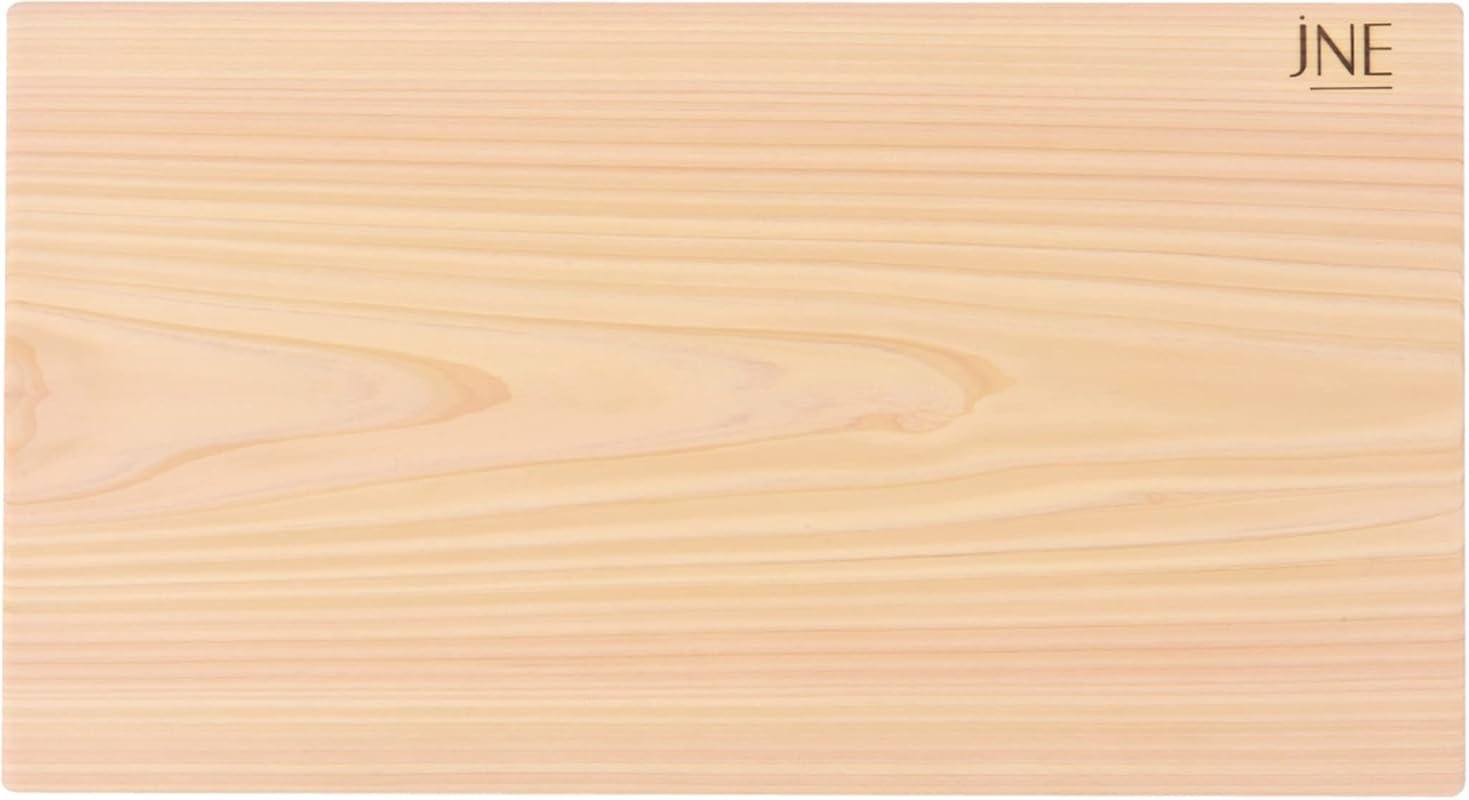 |
Hinoki Cypress Reversible Wood Cutting Board | The premium hinoki cypress reversible wood cutting board, solid single piece construction with… more | View on Amazon |
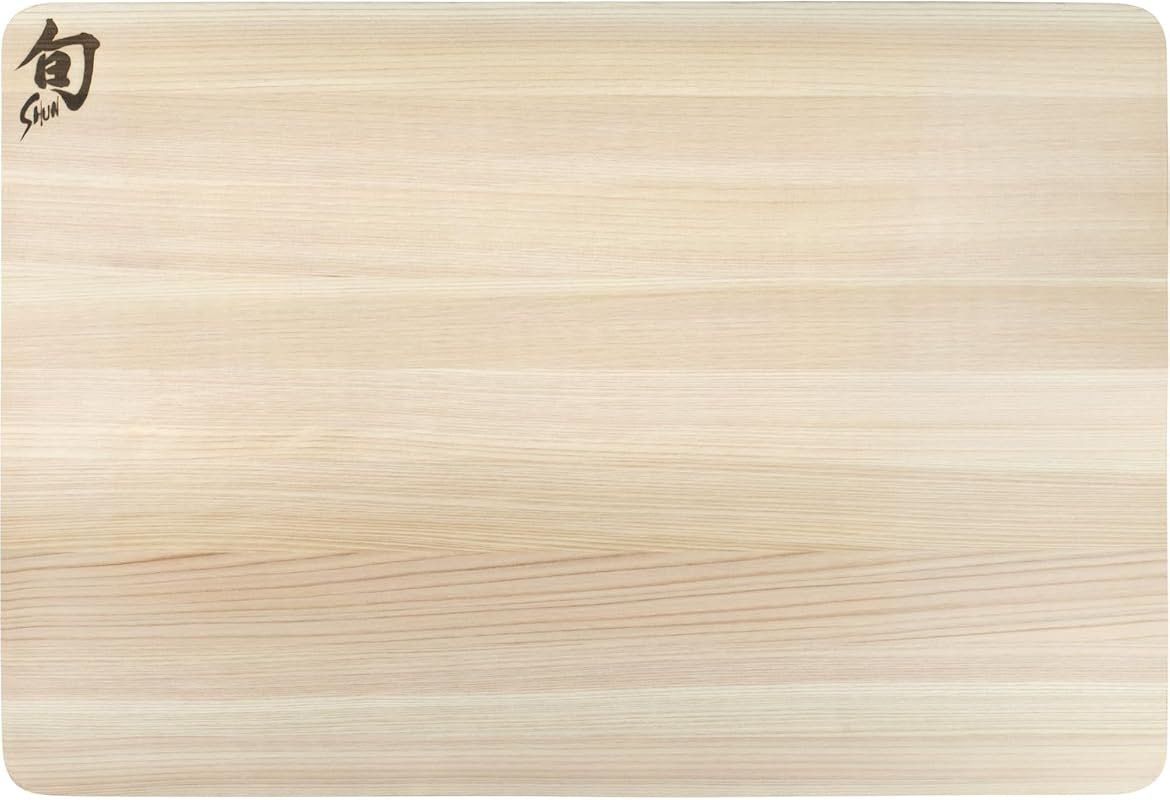 |
Shun Cutlery Medium Hinoki Cutting Board | The shun cutlery medium hinoki cutting board made from sustainable japanese wood for daily kitc… more | View on Amazon |
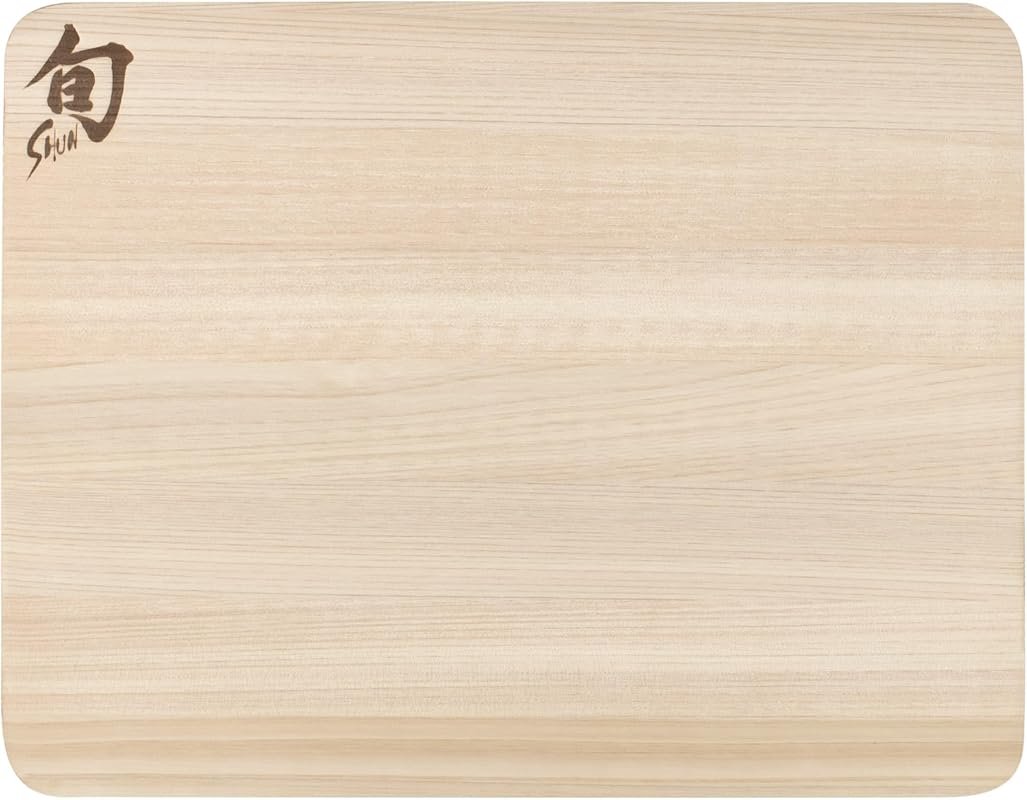 |
Shun Cutlery Small Hinoki Cutting Board | The shun cutlery small hinoki cutting board designed for precise food prep and gentle knife edg… more | View on Amazon |
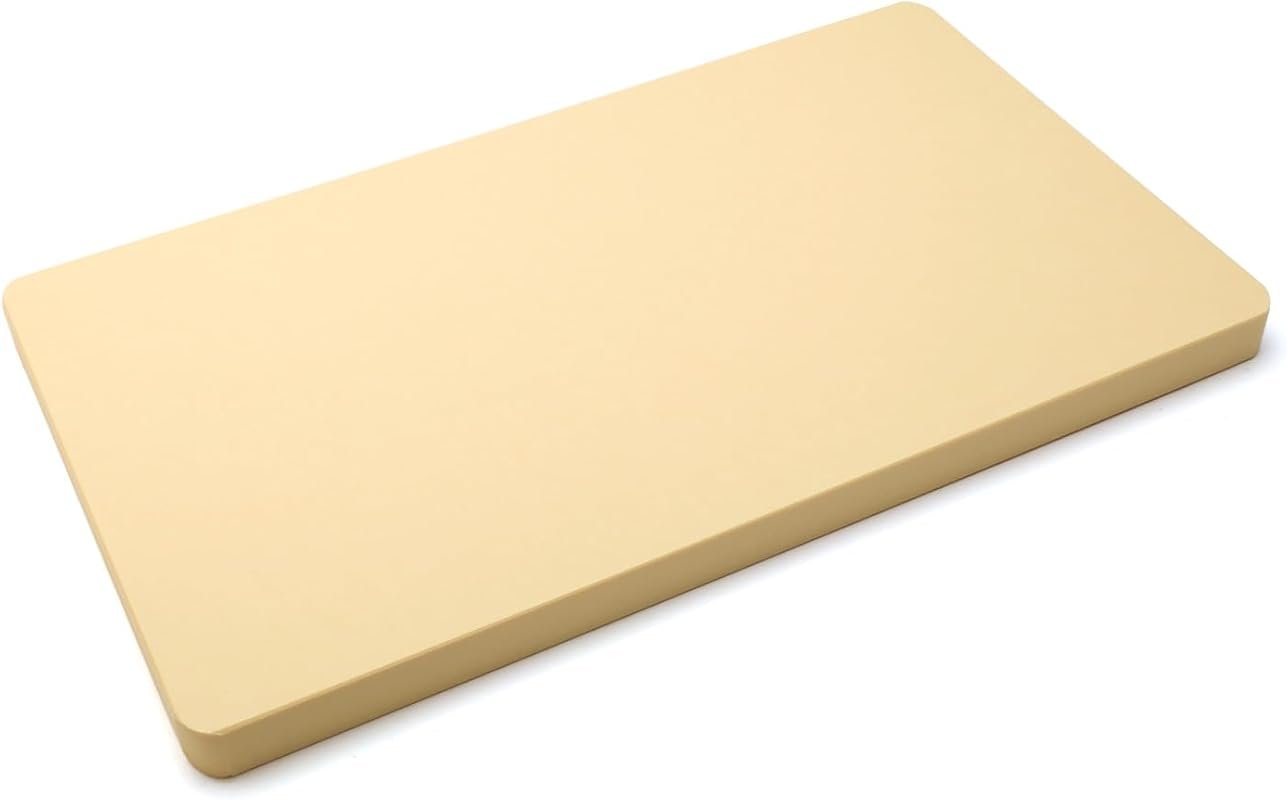 |
Yoshihiro Hi Soft High Performance Cutting Board | The yoshihiro hi soft high performance professional grade japanese sashimi chefs cutting board… more | View on Amazon |
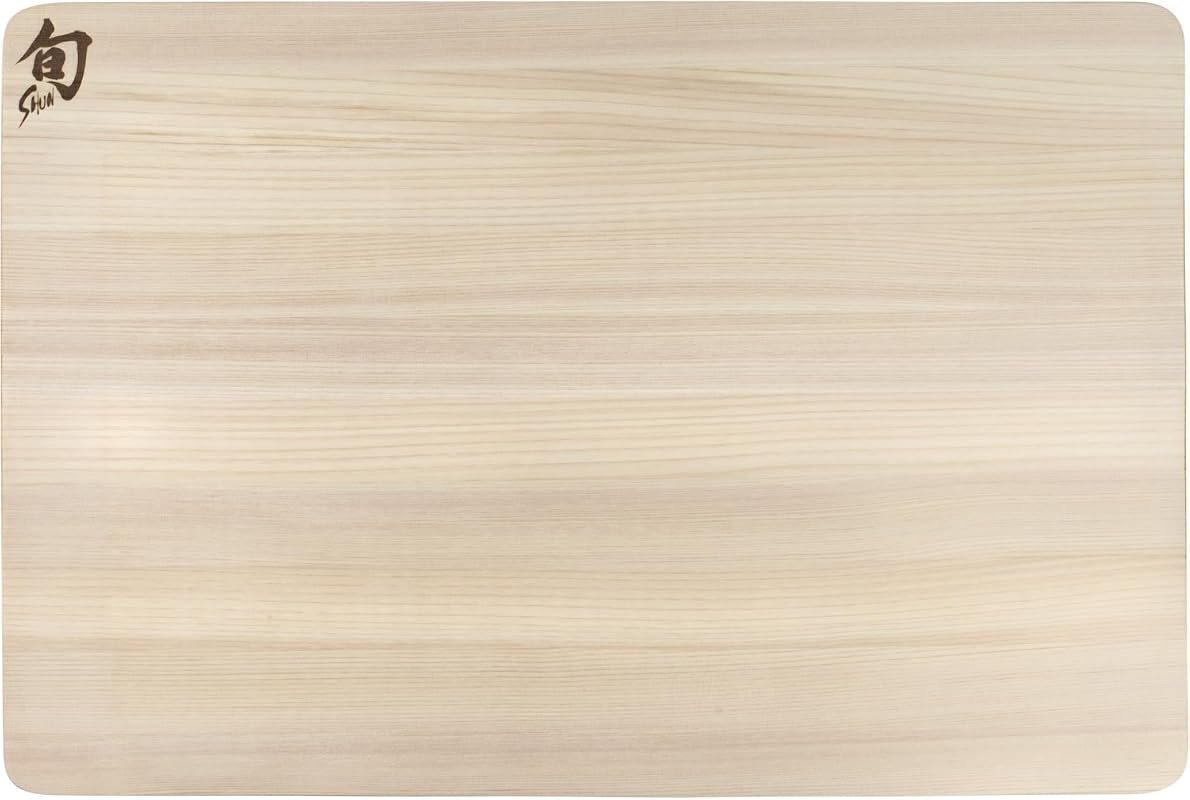 |
Shun Cutlery Large Hinoki Cutting Board | The shun cutlery large hinoki wooden japanese chopping board certified to preserve fine knife e… more | View on Amazon |
Our Top 5 Best Wood Cutting Boards For Japanese Knives Reviews – Expert Tested & Recommended
1. Premium Hinoki Cypress Reversible Wood Cutting Board, Solid Single Piece Construction With No Glue Or Joints
If you love authentic Japanese cooking tools, this solid single-piece Hinoki cypress board brings traditional craftsmanship straight to your kitchen counter. It features a natural, calming fragrance and provides a wonderful medium-soft surface that treats your carbon steel blades with absolute kindness.
Key Features That Stand Out
- ✓ Solid single-piece construction containing zero glues or toxic joints
- ✓ Naturally light hinoki wood that absorbs shock and protects delicate edges
- ✓ Subtle, organic citrus fragrance that naturally enhances your prep space
- ✓ Reversible design allows you to use both sides for extended board life
Why We Recommend It
We truly appreciate boards made from a single slab of wood because they eliminate weak glue seams that can warp over time. The natural give of Hinoki cypress prevents your fine Japanese chef knives from rolling or chipping during rapid chopping tasks.
Best For
Home cooks seeking an authentic, chemical-free single-piece wooden board for everyday vegetable prep.
Pros and Cons at a Glance
2. Shun Cutlery Medium Hinoki Cutting Board Made From Sustainable Japanese Wood For Daily Kitchen Food Preparation
Shun is a legendary name in Japanese cutlery, so it makes complete sense that they engineered a cutting board specifically tailored to protect their high-performance blades. This medium-sized Hinoki board strikes an ideal balance between generous workspace and compact everyday kitchen convenience.
Key Features That Stand Out
- ✓ Crafted from sustainable Hinoki cypress harvested with environmental care
- ✓ Medium-soft wood density protects ultra-thin knife edges from chipping
- ✓ Double-sided functionality maximizes utility during multi-step meal prep
- ✓ Lightweight structure makes lifting, cleaning, and storing effortless
Why We Recommend It
Shun cutlery owners know how crucial blade maintenance is. This board provides just enough give under pressure to absorb impact shock, ensuring your expensive santoku or gyuto stays sharper for much longer between sharpenings.
Best For
Home cooks looking for a trusted brand name board optimized for medium-duty kitchen chopping tasks.
Pros and Cons at a Glance
3. Shun Cutlery Small Hinoki Cutting Board Designed For Precise Food Prep And Gentle Knife Edge Preservation
For quick chopping jobs like slicing lemons, mincing garlic, or cutting up quick snacks, hauling out a massive board is a hassle. This compact Shun Hinoki cutting board gives you all the incredible knife-saving benefits of Japanese cypress in a nimble, easy-to-store size.
Key Features That Stand Out
- ✓ Compact footprint fits easily on crowded counters or small apartment kitchens
- ✓ Premium Hinoki wood construction cushions delicate utility and paring knives
- ✓ Lightweight build allows for effortless one-handed transferring of chopped food
- ✓ Natural aromatic wood properties resist moisture and minor staining
Why We Recommend It
Sometimes you just need a small board for quick tasks without dirtying your main station. This budget-friendly Shun option delivers authentic Japanese quality and protects fine knife edges without breaking the bank.
Best For
Quick food prep, garnishing, and small kitchens where counter space is at a premium.
Pros and Cons at a Glance
4. Yoshihiro Hi Soft High Performance Professional Grade Japanese Sashimi Chefs Cutting Board For Precision Kitchen Tasks
While traditional wood is wonderful, professional Japanese sushi chefs often rely on specialized high-performance synthetic boards like the Yoshihiro Hi Soft. Engineered specifically for high-carbon steel knives and delicate sashimi blades, this surface feels almost like wood under the knife while offering unmatched blade protection.
Key Features That Stand Out
- ✓ Professional EVA material engineered to cushion high-carbon steel edges
- ✓ Absorbs blade impact completely, drastically reducing hand fatigue
- ✓ Resists moisture absorption far better than natural timber options
- ✓ Preferred cutting surface used by master sushi and sashimi chefs in Japan
Why We Recommend It
If you own high-end Japanese knives with hard steels like SG2 or ZDP-189, hitting a traditional hard board can cause micro-chipping. The Yoshihiro Hi Soft acts like a pillow for your blade, keeping your edges razor-sharp for much longer.
Best For
Professional chefs and serious home enthusiasts working with expensive carbon steel Japanese blades.
Pros and Cons at a Glance
5. Shun Cutlery Large Hinoki Wooden Japanese Chopping Board Certified To Preserve Fine Knife Edges Safely
When you have a mountain of vegetables to chop or a large roast to carve, a spacious cutting surface is an absolute necessity. The large Shun Hinoki wooden chopping board offers ample workspace while maintaining the gentle cypress softness required to keep Japanese blades in pristine condition.
Key Features That Stand Out
- ✓ Generous surface area accommodates heavy-duty family meal preparation
- ✓ Premium Hinoki cypress wood certified to cushion and protect fine knife edges
- ✓ Double-sided utility allows for easy separation of meats and vegetables
- ✓ Naturally antimicrobial wood grain helps maintain a hygienic prep station
Why We Recommend It
Cooking for a large family or hosting dinner parties requires plenty of elbow room on your cutting board. This large Shun board gives you all the space you need without sacrificing the gentle wood impact your Japanese knives demand.
Best For
Home cooks who prepare large meals and need a spacious, knife-friendly wooden chopping board.
Pros and Cons at a Glance
Complete Buying Guide for Best Wood Cutting Boards For Japanese Knives
Essential Factors We Consider
When choosing a cutting board to pair with Japanese knives, wood density is the single most important factor. Japanese knives are typically forged from harder steel with steeper bevel angles than Western knives, making their edges vulnerable to chipping on hard surfaces like glass, granite, or dense woods like maple and acacia. Look for softer, resilient timbers like Japanese Hinoki cypress or high-performance synthetic rubber boards that yield slightly upon impact.
Budget Planning
Quality cutting boards span a wide price range depending on wood origin and construction methods. Single-piece Hinoki boards and professional-grade EVA synthetic surfaces usually command a higher price due to specialized sourcing and blade-saving performance. However, investing in a proper board will save you hundreds of dollars in professional knife sharpening and replacement costs over the years.
Final Thoughts
Your Japanese knives deserve a cutting surface that respects their craftsmanship. Whether you opt for the natural aromatic charm of a Hinoki cypress board or the professional shock absorption of a synthetic EVA mat, choosing the right board transforms your cooking experience and keeps your blades slicing effortlessly for years to come.
Frequently Asked Questions
Q: Can I put my Hinoki cutting board in the dishwasher?
A: No, you should never put wooden cutting boards in the dishwasher. The intense heat, harsh detergents, and prolonged water immersion will warp, crack, and ruin natural wood boards.
Q: Why are Japanese knives sensitive to hard cutting boards?
A: Japanese knives are crafted from harder, high-carbon steels and feature thinner edge geometries. Hard cutting surfaces do not absorb impact shock, which frequently leads to micro-chipping along the delicate blade edge.
Q: How often should I oil my Hinoki wood cutting board?
A: You should apply a food-safe mineral oil or beeswax conditioner every few weeks or whenever the wood starts to look dry and pale to prevent moisture absorption and cracking.
Q: Are synthetic boards like Yoshihiro Hi Soft better than wood?
A: Synthetic professional boards offer exceptional shock absorption and moisture resistance, making them favorites among sushi chefs. However, many home cooks prefer natural Hinoki wood for its aesthetic warmth and natural fragrance.