
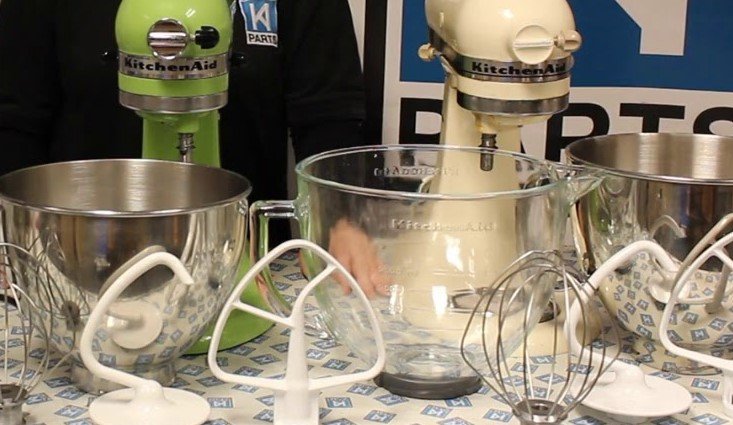
Choosing the right mixer depends on your baking habits, kitchen space, and power needs. Whether you are a casual baker or a professional, understanding the differences between the different KitchenAid mixers ensures you invest in a tool that will last a lifetime.
Walking into an appliance store or scrolling through an online shop for a new mixer can feel overwhelming. If you have been searching for the perfect baking companion, you have likely noticed that the world of KitchenAid can be a bit of a maze. You see shiny colors, different bowl sizes, and two distinct ways the head or bowl moves. It is common to ask, what is the difference between the different KitchenAid mixers? Understanding these nuances is the secret to finding a machine that makes your time in the kitchen a joy rather than a chore.
In 2026, KitchenAid remains the gold standard for home bakers. While the iconic look has stayed the same for decades, the technology inside has evolved to meet modern needs. Whether you are whipping up a simple batch of cookies on a Sunday afternoon or kneading heavy sourdough loaves every single day, there is a specific model designed just for you. Let’s break down the differences between the different KitchenAid mixers so you can stop guessing and start baking.
Key Takeaways
- Tilt-Head vs. Bowl-Lift: The primary structural difference is how you add ingredients—tilting the head back or lifting the bowl into place.
- Motor Power: Higher wattage and gear design define how much dough a mixer can handle without straining the motor.
- Bowl Capacity: Sizes range from compact 3.5-quart models to heavy-duty 7-quart options for large batches.
- The “Classic” Entry Point: The Classic Series is perfect for occasional bakers who want the KitchenAid brand without the premium price tag.
- Pro-Level Reliability: Bowl-lift models like the Pro 600 or the newer 7-quart series offer the stability needed for heavy bread doughs.
- Attachments are Universal: Most KitchenAid attachments fit all models, making it easy to upgrade your machine over time.
Understanding the Two Main Styles
The most important thing to know is that these mixers fall into two primary categories based on their design: the Tilt-Head and the Bowl-Lift. This choice is not just about aesthetics; it changes how you interact with the machine.
The Tilt-Head Design
The Tilt-Head design is the most recognizable version of the appliance. You release a small lever, and the entire head of the mixer pivots upward. This allows you to easily remove the bowl or scrape down the sides. It is a very user-friendly design for beginners. Because of its compact size, it fits perfectly under standard kitchen cabinets. If you are baking cakes, cookies, or light muffins, this is usually the best place to start.
The Bowl-Lift Design
The Bowl-Lift design is the powerhouse of the bunch. Instead of the head moving, the bowl sits on a pair of “arms” that you raise into place with a sturdy lever. These machines are generally heavier, taller, and more stable. Because the head is fixed, it does not move during heavy mixing, which makes it ideal for dense bread doughs or double batches of heavy ingredients. When you look at the differences between the different KitchenAid mixers, the stability of the bowl-lift is often the deciding factor for serious bread makers.
Size Matters: Choosing Your Capacity
Once you decide on the style, you need to think about size. KitchenAid offers bowls ranging from 3.5 quarts up to 7 quarts. Thinking about your baking volume is key here.
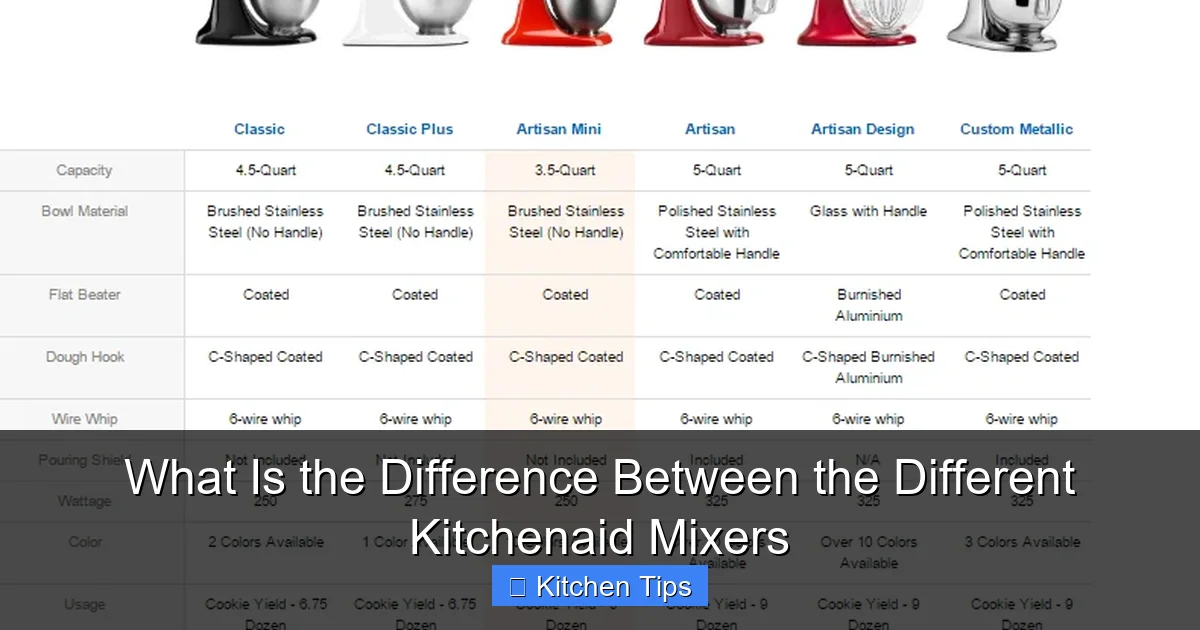
Compact Options (3.5 to 4.5 Quarts)
If you have a smaller kitchen or only bake occasionally, the smaller models are your best friend. The Artisan Mini, for example, offers all the power of its big brothers but in a lighter, space-saving package. You can still make enough dough for five dozen cookies in one go, which is plenty for most households.
Large-Capacity Options (5 to 7 Quarts)
If you love hosting or enjoy “baking marathons,” you will want the larger capacity. A 7-quart bowl gives you plenty of room to double or triple recipes without the ingredients flying over the edge. Plus, the motors in these larger units are built to withstand the torque required for heavy-duty mixing. Understanding the differences between the different KitchenAid mixers in terms of capacity ensures you do not end up with a bowl that is too small for your biggest projects.
Motor Power and Performance
People often ask if more watts always equals more power. While wattage is a factor, it is actually the gear system that matters most. KitchenAid uses direct-drive motors, which means power is sent directly to the attachment rather than through a belt. This makes the machines efficient and durable.
Entry-Level Motors
The entry-level models are great for standard baking. They handle butter, sugar, and flour with ease. If you are a casual baker, you do not necessarily need a commercial-grade motor. These mixers are tuned for light to medium tasks.
Heavy-Duty Motors
If your recipes involve heavy bread dough, pasta dough, or stiff cookie dough, look at the professional-grade motors. These are designed to stay cool under stress. They prevent the motor from “bogging down” when things get thick. When comparing the differences between the different KitchenAid mixers, the internal motor build is the silent hero that separates the occasional mixer from the daily workhorse.
Versatility Through Attachments
One of the best features of any KitchenAid mixer is the power hub located at the front. This tiny attachment point is the gateway to turning your mixer into a food processor, a pasta maker, a vegetable spiralizer, or even a meat grinder. The best part? Because the hub design has remained consistent for years, almost every attachment fits almost every model.
The Power Hub
Regardless of whether you buy a Tilt-Head or a Bowl-Lift, you get access to the same ecosystem of accessories. This is why buying a KitchenAid is an investment. You can buy the mixer today and add a grain mill or a sausage stuffer years down the road. The differences between the different KitchenAid mixers might change the *speed* or *capacity* of your work, but they never limit your potential for culinary creativity.
Durability and Long-Term Value
These appliances are famous for being family heirlooms. It is common to find people using a KitchenAid mixer that belonged to their grandmother. This durability comes from high-quality metal gears and heavy-duty housing.
Maintenance Tips
To keep your mixer running for decades, keep the vents clear of dust. Also, avoid forcing the mixer to work harder than it should. If the motor sounds like it is struggling, stop, scrape the bowl, and give it a moment. By treating the machine well, you ensure it stays a permanent fixture on your counter. The differences between the different KitchenAid mixers are largely about design, but the commitment to build quality is identical across the entire lineup.
Choosing the Right Model for Your Needs
So, which one is right for you? It boils down to your personal baking lifestyle. If you value space and style, the Tilt-Head is for you. If you value raw power and frequent heavy-duty baking, the Bowl-Lift is your best choice.
Final Thoughts on Your Decision
Do not get caught up in the “more is better” trap. You do not need the largest, most expensive model to make excellent bread or cakes. A smaller, well-cared-for machine will produce just as many delicious treats as a giant professional model. Focus on how much you bake and the types of recipes you love most. Once you understand the differences between the different KitchenAid mixers, you can walk into that store with confidence. You are not just buying a kitchen appliance; you are buying a tool that will bring you joy in the kitchen for years to come.
Frequently Asked Questions
What is the biggest difference between the different KitchenAid mixers?
The primary difference lies in the mechanism: the Tilt-Head models allow the head to pivot for easy access, while the Bowl-Lift models keep the head fixed and raise the bowl into position. Generally, the Bowl-Lift models are sturdier and intended for larger, heavier batches.
Can I use my old attachments on a new mixer?
Yes, almost all KitchenAid attachments are compatible with the power hub found on every model made in the last several decades. Whether you have a vintage mixer or a 2026 model, the hub is designed for universal fit.
Which mixer is best for making bread?
For regular bread baking, the Bowl-Lift series is highly recommended. The stable base and powerful motor handle the resistance of dense dough much better than the smaller tilt-head models.
Do the different models come in the same colors?
While many classic colors like Empire Red and Matte Black are available across most lines, some specialty colors or limited-edition finishes are exclusive to specific models. It is best to check the current product catalog for your preferred finish.
Is the Mini mixer powerful enough for everyday use?
Absolutely! The Artisan Mini is designed with the same direct-drive motor technology as the larger units, making it powerful enough for 90% of home baking tasks. It is specifically designed for smaller kitchens and more compact recipe batches.
How often should I service my KitchenAid mixer?
KitchenAid mixers are built to be very low-maintenance. As long as you keep the exterior clean, avoid overworking the motor with overly stiff dough, and keep the vents clear, your mixer should run for years without needing professional servicing.