
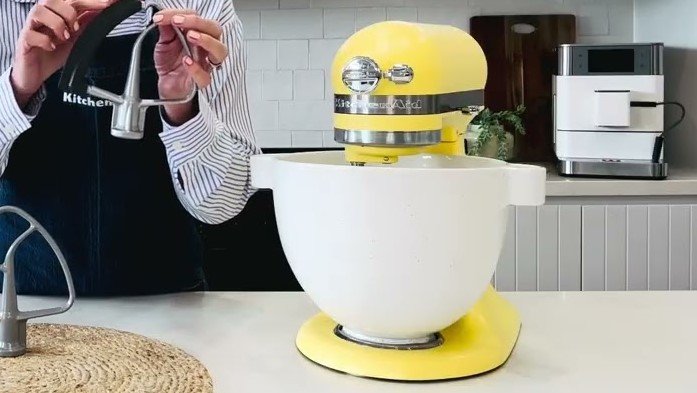
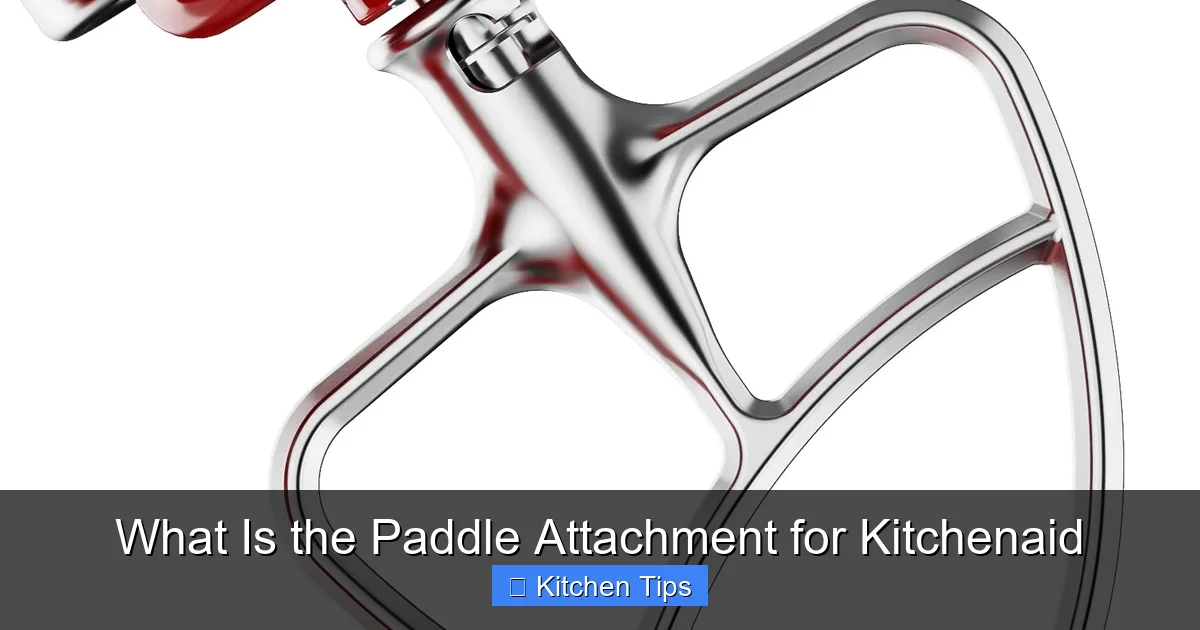
The paddle attachment, often called the flat beater, is the workhorse of your KitchenAid stand mixer. It is specifically designed for mixing, creaming, and mashing ingredients, making it the most versatile tool for everyday baking tasks like cookies, cakes, and frostings.
If you have recently welcomed a shiny new KitchenAid stand mixer into your kitchen—or perhaps you are finally dusting off that family heirloom—you might be staring at a drawer full of mysterious metal pieces. Among the whisk, the dough hook, and the flat beater, one tool stands out as the absolute champion of the kitchen: the paddle attachment. But what is the paddle attachment for KitchenAid mixers really for? If you have ever wondered why this specific shape exists or how to get the most out of it, you are in the right place.
In the culinary world of 2026, home baking has reached new heights of convenience and creativity. The paddle attachment acts as the bridge between your ingredients and a perfect result. Unlike the whisk, which is meant for air, or the dough hook, which is meant for kneading, the paddle is designed for endurance and heavy lifting. It is the secret weapon that turns simple pantry staples into bakery-quality treats. Let’s dive into the details of this essential tool and how it will change the way you cook.
Key Takeaways
- The Essential Role: The paddle attachment is the default tool for standard mixing tasks, providing even consistency for medium-to-heavy batters.
- Creaming Power: It is expertly designed to aerate butter and sugar, creating the perfect base for fluffy cakes and cookies.
- Versatility Beyond Baking: Use your paddle for mashing potatoes, shredding cooked chicken, or mixing meatloaf mixtures.
- Material Matters: Choose between coated metal for durability or stainless steel for a sleek, dishwasher-safe finish.
- Proper Fit: Always check the “dime test” to ensure your paddle is at the correct height to prevent scraping or poor mixing.
- Clean With Care: While many models are dishwasher safe, hand washing your paddle attachment will prevent oxidation and extend its life.
Understanding the Mechanics of the Paddle Attachment
At first glance, the paddle attachment might look like a simple piece of metal, but its design is rooted in physics. The unique “Y” shape and the solid frame allow it to cut through thick mixtures without stalling the motor of your mixer. When we ask what is the paddle attachment for KitchenAid, we are essentially asking about the art of emulsion and uniform blending.
The Concept of Creaming
The primary job of the paddle is creaming. This is the process of beating fat, such as butter or shortening, with sugar. As the paddle rotates, it forces the sugar crystals to cut into the fat, creating tiny air pockets. These air pockets are vital because they expand during baking, giving your cakes and cookies that light, professional texture. If you try to do this with a whisk, the butter will get stuck in the wires; if you use a dough hook, you will just be pushing the butter around.
Medium-to-Heavy Consistency
The paddle is engineered to handle “medium-to-heavy” textures. Think about a batch of thick chocolate chip cookie dough or a dense brownie batter. The paddle pushes through these heavy substances with ease, ensuring that your chocolate chips or nuts are distributed evenly throughout the bowl. It is strong enough to handle resistance without bending, yet precise enough to ensure no streaks of flour remain at the bottom of your bowl.
When to Reach for Your Paddle Attachment
Many home cooks struggle with choosing the right tool for the job. While you might be tempted to use your whisk for everything, the paddle attachment is the correct choice for nearly 80 percent of your mixing needs. Recognizing the right moments to grab it will improve your success rate in the kitchen.
Perfecting Cookies and Batters
Whether you are making a batch of chewy ginger molasses cookies or a classic yellow birthday cake, the paddle is your best friend. It excels at incorporating dry ingredients into wet ones without overworking the gluten. Overworking gluten is the enemy of a tender cake, and the paddle provides just enough agitation to combine the ingredients smoothly without turning your cake into a loaf of bread.
Frostings and Icings
If you want that silky smooth buttercream for your cupcakes, the paddle is mandatory. It works the butter and powdered sugar into a luscious, airy consistency. If you use a whisk for frosting, you might end up with too many bubbles, which can make your icing look porous. The paddle creates a dense, creamy finish that is perfect for piping beautiful swirls onto any dessert.
Unexpected Uses for the Paddle Attachment
The beauty of owning a high-quality mixer is discovering that it can do so much more than bake. Once you understand what is the paddle attachment for KitchenAid, you can start experimenting with savory dishes. It is a fantastic labor-saving device for prep work that usually takes significant time and energy.
Mashing Vegetables
Have you ever spent ten minutes hand-mashing potatoes only to find hidden lumps? Use the paddle attachment. Add your boiled potatoes, butter, and cream to the mixing bowl. Start on the lowest speed to break them down, then move up to a medium speed. You will get incredibly fluffy, lump-free mashed potatoes in under a minute.
Shredding Meat
This is a game-changer for anyone who loves tacos or pulled pork. Take your warm, cooked chicken or pork and place it in the mixing bowl. Use the paddle attachment on a low setting for about 30 seconds. The paddle pulls the meat apart perfectly, saving you from the tedious work of using two forks to shred it by hand. It is efficient, consistent, and remarkably easy to clean up.
Choosing the Right Paddle: Coated vs. Stainless Steel
In 2026, most KitchenAid owners have a choice between the standard coated metal paddle and the premium stainless steel version. Understanding the differences helps you decide which one belongs in your kitchen.
The Coated Metal Paddle
This is the classic choice that comes with most stand mixers. It is lightweight and affordable. The coating prevents the metal from reacting with acidic ingredients like lemon juice or tomato paste. However, the coating can chip over many years of heavy use, which is why some cooks prefer to upgrade.
The Stainless Steel Upgrade
Stainless steel paddles are the gold standard for long-term durability. They do not have a coating to chip, and they are generally dishwasher safe. They feel substantial in your hand and provide a clean, professional aesthetic. If you bake multiple times a week, investing in a stainless steel paddle is a smart move that will last for the lifetime of your machine.
Maintenance and The Famous Dime Test
Even the best tool is useless if it is not set up correctly. If your paddle is hitting the bottom of your bowl, you might damage the bowl or the machine. If it is too high, it will leave ingredients unmixed at the bottom. This is where the “dime test” comes in.
How to Perform the Dime Test
Place a dime in the bottom of your mixing bowl. Attach your paddle and lower the head of the mixer. When the paddle moves, it should just barely graze the dime, moving it slightly as it rotates. If it doesn’t touch the dime, your paddle is too high. If the paddle is flat-out smashing into the dime or dragging it aggressively, it is too low. Most KitchenAid mixers have a small screw under the head that you can adjust with a flat-head screwdriver to raise or lower the attachment. It is a simple two-minute fix that changes everything.
Caring for Your Attachment
While most modern paddle attachments are labeled as dishwasher safe, they often last longer if hand-washed. High heat and harsh dishwasher detergents can dull the finish or cause minor oxidation over time. A quick scrub in warm, soapy water is all you need to keep your attachment looking brand new for years.
Conclusion: Mastering Your Mixing
So, what is the paddle attachment for KitchenAid truly for? It is for the person who loves to bake, the person who hates hand-mashing potatoes, and the person who wants perfect, consistent results every time they step into the kitchen. It is the most reliable tool in your culinary arsenal, capable of tackling everything from dense doughs to delicate frostings with ease.
By understanding how it works, keeping it properly adjusted with the dime test, and knowing which ingredients it handles best, you have unlocked the full potential of your stand mixer. Don’t let those other attachments intimidate you, but definitely keep your paddle on the counter where you can reach it easily. Whether you are baking for the holidays, shredding chicken for a weeknight dinner, or whipping up a batch of birthday frosting, your paddle attachment is ready to do the heavy lifting for you. Happy mixing!
Frequently Asked Questions
Can I use the paddle attachment for bread dough?
No, you should avoid using the paddle for yeast-based bread dough. The paddle is designed for mixing batters, while the dough hook is specifically engineered to knead and develop the gluten structure required for bread.
Is the paddle attachment dishwasher safe?
Most modern coated and stainless steel paddle attachments are dishwasher safe. However, hand washing is highly recommended to preserve the finish and prevent the coating from chipping or the metal from oxidizing over time.
Why does my paddle leave ingredients unmixed at the bottom?
This usually means your paddle is set too high. You should perform the “dime test” and adjust the adjustment screw located under the mixer head so the paddle sits closer to the bottom of the bowl.
Can I use the paddle for whipping egg whites?
While the paddle will technically work, it is not the best tool for the job. A whisk attachment is far more effective at incorporating air into egg whites or heavy cream to achieve stiff, voluminous peaks.
What is the difference between the flat beater and the paddle?
They are actually the same thing! “Paddle attachment” is the common term used by home cooks, while “flat beater” is the technical name often used in the official KitchenAid instruction manuals.
How often should I replace my paddle attachment?
If you have a coated paddle and notice the coating is chipping or flaking off, you should replace it immediately for food safety. A high-quality stainless steel paddle, however, can last for many decades with proper care.