
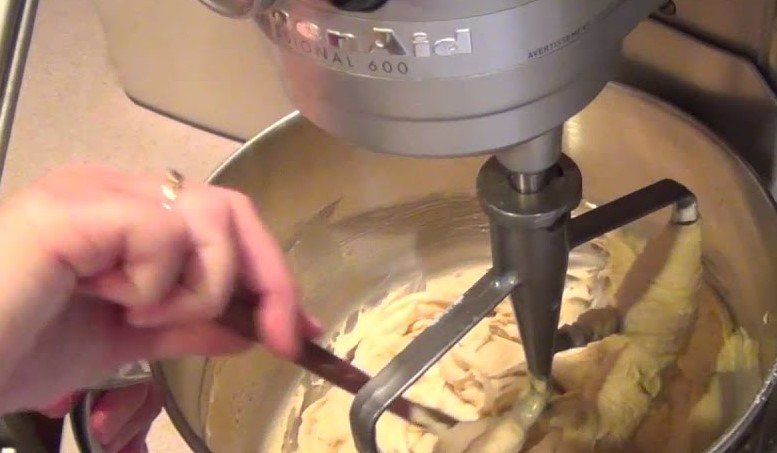
Choosing the right tool is the secret to bakery-quality treats. For nearly all standard cookie recipes, the Flat Beater is your best friend, while the Dough Hook should be reserved strictly for heavy, yeast-based baking.
There is nothing quite like the smell of fresh cookies wafting through your home. Whether you are a professional baker or just someone who loves a Sunday afternoon treat, your KitchenAid stand mixer is likely the workhorse of your kitchen. However, even the most seasoned home cooks sometimes pause and wonder: which KitchenAid attachment for cookie dough is actually the correct choice? If you have ever felt confused by the array of metal hooks and beaters in your drawer, you are definitely not alone.
As we navigate the baking trends of 2026, the technology behind our mixers has remained consistent, but our appreciation for the perfect cookie texture has grown. Using the wrong attachment can turn a batch of delicious, chewy chocolate chip cookies into a tough, dense mess. This guide is here to clear up the confusion and help you achieve that perfect golden-brown result every single time you fire up your mixer.
Key Takeaways
- The Flat Beater is King: For standard drop cookies, the classic flat beater (coated or stainless) is the only attachment you need.
- Avoid the Dough Hook: Never use a dough hook for cookie dough; it will fail to incorporate ingredients and may damage your mixer.
- Temperature Matters: Always ensure your butter is softened to room temperature before creaming to get the best texture.
- Mind the Speed: Never mix cookie dough on high speed; keep it at low to medium settings to prevent overworking the gluten.
- The Scraper Paddle Advantage: If you hate stopping to scrape the bowl, invest in a flex-edge beater to save time and effort.
Understanding Your KitchenAid Attachments
Before we dive into the specifics of cookie dough, it helps to understand what the primary attachments actually do. Your KitchenAid mixer typically comes with three standard accessories: the Flat Beater, the Wire Whip, and the Dough Hook. Each one has a very specific job description based on physics and fluid dynamics.
The Flat Beater: The Workhorse
The Flat Beater is designed for heavy mixtures. It has a broad surface area that moves through ingredients like butter, sugar, and flour with ease. It is engineered to cream butter and sugar together—a process that introduces air into the dough, which is essential for giving cookies their structure and lift. In 2026, many bakers are upgrading to stainless steel versions, but the classic coated white or silver paddle remains the gold standard for most home kitchens.
The Wire Whip: For Aeration
You might be tempted to use the Wire Whip because it looks like a traditional hand whisk, but for cookies, this is usually a mistake. The Wire Whip is meant for light, airy mixtures like egg whites, whipped cream, or thin sponge cakes. If you put thick, sticky cookie dough into a wire whip, the dough will simply get stuck inside the wires, making it impossible to clean and completely ineffective at mixing your ingredients.
The Dough Hook: Not for Cookies
The Dough Hook is specifically designed for kneading bread. Its spiral or C-shape is meant to develop gluten in yeast-based doughs. If you try to mix chocolate chips or nuts into a dough using the hook, the attachment will simply slide through the dough without incorporating anything. Furthermore, cookie dough is much denser than bread dough in a way that can strain the motor if the hook catches on large inclusions like chunks of chocolate.
Why the Flat Beater is the Only Choice
When asking which KitchenAid attachment for cookie dough is best, the answer is almost universally the Flat Beater. Why? Because cookie dough requires a process called creaming. To cream ingredients effectively, you need a tool that can smash softened butter into sugar crystals. This friction creates microscopic air bubbles that expand when they hit the oven heat, giving your cookies that soft, chewy center.
Achieving the Perfect Creaming Phase
The Flat Beater reaches the sides of the bowl much more effectively than any other attachment. By starting on a low speed, you can slowly incorporate the butter and sugar. As the beater rotates, it forces the ingredients against the sides of the bowl, ensuring a uniform consistency. This is crucial; if your butter isn’t properly creamed, you will end up with oily patches in your cookies where the butter didn’t emulsify with the eggs.
Managing Inclusions
Think about adding chips, nuts, or dried fruit to your dough. These “inclusions” need to be folded in gently. The Flat Beater is strong enough to move through the thick dough, but it is also gentle enough to distribute these items evenly without crushing them. If you were to use a specialized hook, you would likely find that your chocolate chips end up entirely at the bottom of the bowl, leaving the top half of the dough completely plain.
The Flex Edge Beater: A 2026 Favorite
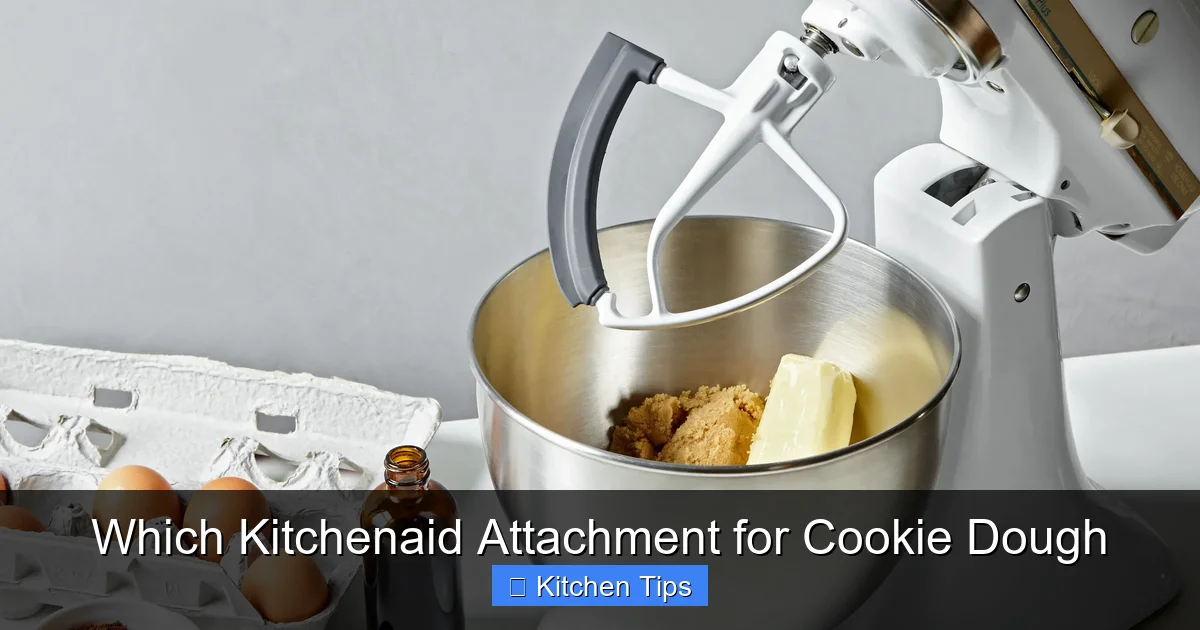
If you bake cookies regularly, you have likely dealt with the frustration of having to stop the mixer every thirty seconds to scrape down the sides of the bowl. Enter the Flex Edge Beater. This is a special version of the flat beater that features a rubber or silicone strip along one side. As the beater turns, it literally wipes the side of the bowl for you.
Time-Saving Benefits
For those of us who value efficiency, the Flex Edge Beater is a game-changer. It ensures that 100 percent of your ingredients are incorporated into the dough. With a standard metal beater, it is very common to have a ring of flour or butter left on the bottom rim of the bowl. By the time you get to the end of the batch, you find those unincorporated bits, and you have to mix them in by hand. The Flex Edge eliminates this step entirely.
Durability and Care
In 2026, these beaters have become much more durable than they were a decade ago. Most are now dishwasher safe, though hand washing is still recommended to keep the rubber edge in top condition. If you are shopping for one, just ensure it is the correct size for your specific mixer model, as the head size varies between the 5-quart and 7-quart KitchenAid models.
Common Mistakes When Mixing Cookie Dough
Even when you have the right attachment, you can still run into trouble. Knowing which KitchenAid attachment for cookie dough is the right one is only half the battle. You also need to know how to use it correctly. Over-mixing is the number one cause of flat, tough cookies.
The Danger of Over-Mixing
Once you add the flour to your wet ingredients, the clock starts ticking. If you mix the dough for too long, you develop too much gluten. While gluten is great for bread, it is the enemy of a tender cookie. Use the flat beater on the lowest speed setting only until the flour is just barely incorporated. If you see a few streaks of flour, that is actually a good sign! Stop the mixer and finish the job by hand with a spatula.
Temperature and Speed Settings
Another common mistake is mixing at too high a speed. Even though it is tempting to turn the dial to “4” or “6” to get things done faster, you should stick to “1” or “2” for cookie dough. Higher speeds whip too much air into the dough, which causes cookies to puff up in the oven and then deflate, resulting in a dense, cakey texture rather than a chewy, rich one.
Maintenance and Cleaning Tips
Your attachments are an investment. To keep them working for years to come, you need to treat them well. While many are advertised as dishwasher safe, high heat can eventually wear down the coatings on older models or damage the silicone on the flex-edge beaters.
Hand Washing vs. Dishwasher
I recommend washing your flat beater by hand in warm, soapy water immediately after use. Cookie dough is high in fat and sugar; if left to sit, it will harden, and you will find yourself scrubbing hard later. If your attachment is stainless steel, it is generally safe for the dishwasher, but hand washing preserves the shine and prevents the dull, gray oxidation that sometimes happens to aluminum-based attachments over time.
Storage Best Practices
Never store your attachments in a way that they are crowded with sharp objects. If you have the coated white beaters, they can chip if they clatter against other metal utensils. Keeping them in a dedicated drawer or hanging them on a pegboard is the best way to ensure they remain in perfect condition for your next baking project.
Conclusion
Choosing the right tool is the difference between a good cookie and a legendary one. To wrap things up, the next time you find yourself wondering which KitchenAid attachment for cookie dough to use, reach for your Flat Beater or the Flex Edge version. It provides the perfect balance of aeration, thorough mixing, and gentleness needed for delicate doughs.
Remember, the goal is always to keep the gluten development low and the consistency uniform. By avoiding the dough hook, sticking to low mixing speeds, and being mindful of your butter temperature, you will elevate your baking game to a whole new level in 2026. Now that you have the right tools and the right knowledge, it is time to preheat that oven and get baking!
Frequently Asked Questions
Can I use the dough hook for heavy cookie dough like oatmeal?
No, you should never use the dough hook for cookie dough. It is specifically designed to stretch and knead bread dough, and it will not incorporate cookie ingredients properly.
Why does my butter need to be room temperature?
Softened butter is essential for the creaming process. It allows the sugar to cut into the fat and create air bubbles, which gives cookies their structure and desired texture.
Can the flex-edge beater scratch my mixing bowl?
A properly fitted flex-edge beater is designed to be gentle on your bowl. However, you should ensure it is the correct size for your specific mixer model to avoid any unnecessary friction.
What speed should I use for mixing cookies?
Always stick to the lowest speed settings (usually 1 or 2). High speeds will overwork the gluten and whip too much air into the dough, leading to tough or misshapen cookies.
How do I know when the dough is finished mixing?
The dough is finished when the flour is just barely incorporated. If you see a few small streaks of flour, stop the mixer and finish the process by hand with a spatula to avoid over-mixing.
Why do my cookies always end up flat?
Flat cookies are often caused by butter that was melted rather than softened, or by over-creaming the butter and sugar. Ensure your butter is cool to the touch and use the paddle attachment on low speed.