
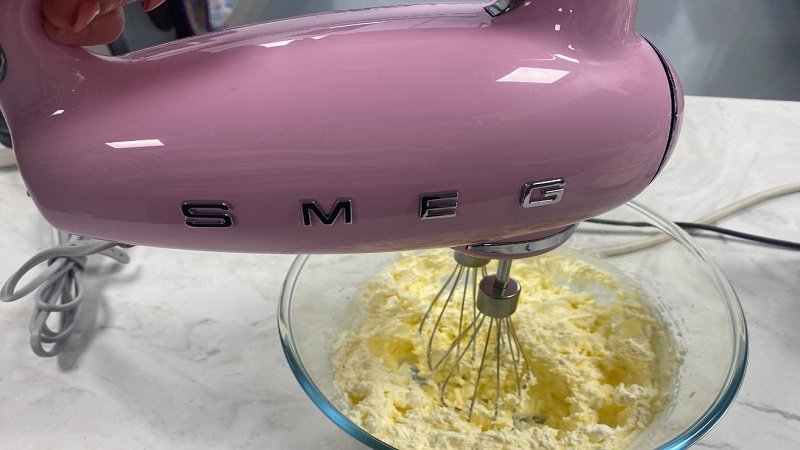
A hand mixer is a compact, handheld electric kitchen appliance designed for blending, whipping, and mixing ingredients with minimal effort. Unlike heavy stand mixers, a hand mixer gives you complete control over your bowls and pots, making it ideal for everything from whipping up fluffy egg whites to mixing quick cookie dough. Whether you are a beginner baker or a seasoned chef, understanding what is a hand mixer and how to use it properly can completely transform your daily cooking routine.
Have you ever stared at a recipe that calls for beating egg whites until stiff peaks form, and felt your arm grow tired just thinking about using a wire whisk? Enter the trusty kitchen helper that saves bakers time and energy every single day. If you have ever wondered what is a hand mixer, you are certainly not alone. Many home cooks start their culinary journeys with this handy little gadget before ever investing in larger appliances.
In simple terms, a hand mixer is a portable electric tool that takes the hard work out of stirring, blending, and whipping. It sits comfortably in your palm, letting you glide through batters and creams with ease. In this comprehensive guide, we will explore what is a hand mixer, how it works, and why you definitely need one in your kitchen arsenal.
Key Takeaways
- Definition: A hand mixer is a portable electric appliance powered by a small motor, designed to hold interchangeable beaters for various mixing tasks.
- Portability: Unlike bulky stand mixers, a hand mixer is lightweight, easy to move around the kitchen, and simple to store in small cabinets.
- Versatility: It handles a wide range of jobs, including whipping cream, beating eggs, mixing cake batter, and even mashing potatoes.
- Affordability: Hand mixers are typically much cheaper than stand mixers, making them a great budget-friendly option for home cooks.
- Ease of Cleaning: Most modern hand mixers feature detachable beaters that pop off with the press of a button and can go right into the dishwasher.
- Control: You can guide a hand mixer to every corner of your bowl, ensuring no dry pockets of flour or sugar are left behind.
- Limitations: While great for everyday tasks, a hand mixer is not powerful enough for heavy, dense bread doughs that require sustained kneading.
Understanding What Is a Hand Mixer
To truly understand what is a hand mixer, let us look at its basic design and anatomy. At its core, a hand mixer consists of a motor housing with a handle on top, speed control buttons, and a slot underneath where you insert metal attachments. When you plug it in and turn it on, the motor spins the attachments at high speeds.
The Main Components
Most models come with a set of standard wire beaters. These are your go-to tools for everyday tasks like mixing cake batter or beating eggs. Many modern models also include dough hooks for light bread or pizza dough, and a whisk attachment for aerating creams and meringues.
How It Differs from a Stand Mixer
While a stand mixer is a heavy, stationary machine that does the work for you while staying on the counter, a hand mixer requires you to hold it. This active participation gives you a major advantage. You can tilt the bowl, move the beaters to the sides, and make sure every single drop of batter gets fully blended.
Key Benefits of Using a Hand Mixer
Once you learn what is a hand mixer and start using it, you will wonder how you ever lived without it. There are several clear reasons why this appliance remains a staple in kitchens around the world.
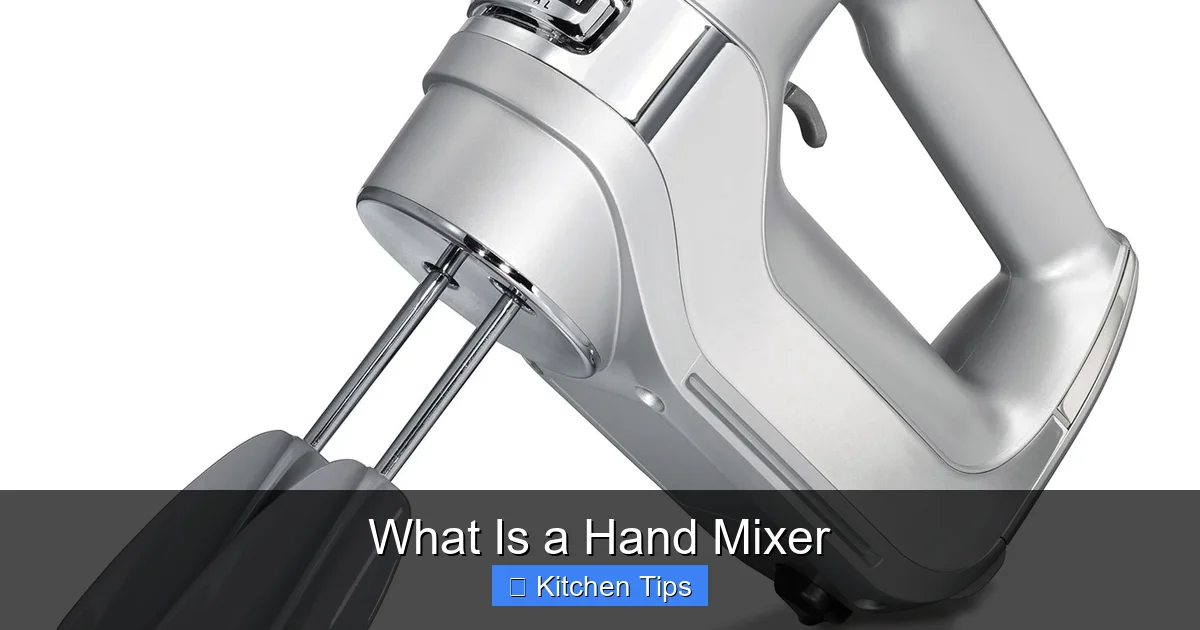
Visual guide about What Is a Hand Mixer
Image source: hamiltonbeach.com
Space Saving Convenience
Kitchen counter space is precious. Big appliances often end up gathering dust because they are too heavy to move around. A hand mixer, on the other hand, is small and lightweight. It easily slips into a drawer or sits neatly on a pantry shelf, making it perfect for apartments and small kitchens.
Budget Friendly Baking
If you love to bake but are not ready to drop a large amount of cash on a high end stand mixer, a hand mixer is the perfect solution. You get fantastic whipping and mixing power for a fraction of the cost, making it accessible to cooks on any budget.
Speed and Efficiency
Manual whisking takes time and muscle. A hand mixer cuts preparation time in half. It whips up whipped cream in two minutes flat and turns lumpy pancake batter into a silky smooth mixture almost instantly.
Common Uses for Your Hand Mixer
People often ask what is a hand mixer capable of making. The truth is, it is far more versatile than just a tool for birthday cakes. Here are some of the most popular ways to use it in your daily cooking routine.
Baking Sweets and Treats
Baking is where the hand mixer truly shines. You can use it to cream butter and sugar together until light and fluffy, which is the secret to great cookies. It is also brilliant for mixing brownie batter, incorporating flour into cake mixes, and whipping up fluffy frostings.
Breakfast and Savory Dishes
Beyond baking, a hand mixer can help you whip up a fantastic weekend breakfast. Use it to beat eggs for the fluffiest scrambled eggs or omelets you have ever tasted. You can also use it to whip heavy cream for hot chocolate or mash boiled potatoes until they are completely smooth and buttery.
Quick Tips for Best Results
- Start on a low speed when mixing dry ingredients like flour to prevent a messy cloud from dusting your kitchen.
- Use room temperature butter and eggs so your hand mixer can blend them smoothly without straining the motor.
- Tilt your mixing bowl slightly to get the best vortex action while blending.
Choosing the Right Hand Mixer for You
Now that you know what is a hand mixer, you might be thinking about buying one. With so many options on the market, it helps to know what features to look for before making your purchase.
Power and Speeds
Look for a model with a motor of at least 200 to 250 watts. This ensures it has enough power to handle thicker batters. Additionally, having multiple speed settings—usually between three and nine speeds—gives you precise control over delicate tasks versus heavy mixing.
Weight and Ergonomics
Since you will be holding the appliance in your hand, weight matters. Look for a lightweight model with a comfortable, rubberized grip. If your wrist starts aching after one minute of use, the mixer is likely too heavy or poorly balanced.
Easy Eject and Cleanup
A good hand mixer should feature a simple button to eject the beaters without you having to pull them out manually. Furthermore, make sure the attachments are dishwasher safe so cleanup takes mere seconds.
Proper Care and Maintenance
Taking care of your hand mixer ensures it will last for many years of baking adventures. Maintenance is surprisingly simple if you follow a few basic rules.
Cleaning the Body
Never submerge the motor housing in water. Instead, simply wipe down the exterior with a damp cloth after unplugging the unit. Use a cotton swab to clean around the speed buttons and beater slots if any batter gets stuck.
Storage Best Practices
Wrap the cord loosely around the base if your model features cord storage, or tie it up neatly with a twist tie. Avoid tangling the cord tightly, as this can fray the internal wires over time and shorten the lifespan of your mixer.
Conclusion
Understanding what is a hand mixer opens up a world of culinary convenience. It is an affordable, versatile, and space saving tool that takes the exhaustion out of mixing, whipping, and blending. Whether you are baking a birthday cake for a loved one or simply whipping up some fresh cream for your morning coffee, this little appliance delivers big results. Grab a hand mixer, pick out your favorite recipe, and start creating delicious treats with ease today!
Frequently Asked Questions
What is a hand mixer used for primarily?
A hand mixer is primarily used for blending batters, whipping egg whites, making frostings, and beating cream. It simplifies everyday baking and cooking tasks that would otherwise require tiring manual whisking.
Can a hand mixer knead bread dough?
Most hand mixers are not designed for heavy bread doughs because the thick mixture can strain or burn out the motor. However, some models come with dough hooks that can handle light doughs like pizza crust or dinner rolls on a low setting.
How many speeds do I really need?
A mixer with five to six speeds is usually ideal for most home bakers. This range gives you a slow start to prevent flour spills and high speeds for whipping cream and egg whites effectively.
Are hand mixer attachments dishwasher safe?
Yes, most standard metal beaters and whisk attachments are dishwasher safe. Always check the manufacturer manual first, but generally, you can pop them right into the dishwasher for easy cleanup.
Is a hand mixer better than a stand mixer?
Neither is strictly better; they simply serve different purposes. A hand mixer is cheaper, more portable, and easier to store, while a stand mixer offers heavy-duty, hands-free operation for larger batches and tough doughs.
Why does my hand mixer smell like burning?
A burning smell usually means the motor is overworked from mixing something too thick or heavy, like cold butter or dense dough. Stop using the mixer immediately, let it cool down, and switch to a lower speed or manual mixing.