
Are KitchenAid attachments universal? While the brand is famous for its consistent design, not all attachments are interchangeable across every model. Most stand mixer attachments use a universal attachment hub, but bowl-lift and tilt-head specific accessories vary significantly.
If you have been a fan of home baking for a while, you likely own a trusty KitchenAid stand mixer. These appliances are legendary in the kitchen world for their longevity and versatility. As you look to expand your culinary horizons—perhaps moving from simple cookie dough to homemade pasta or freshly ground sausages—you will inevitably find yourself browsing the endless aisles of accessories. This is when the big question usually pops up: are KitchenAid attachments universal?
It is a common point of confusion for home cooks in 2026. You see a beautiful spiralizer or a fancy ice cream maker, and you worry if it will actually fit your mixer. The short answer is yes and no. It depends entirely on whether you are talking about the front-facing hub attachments or the bowl-based mixing tools. Let us break down how to navigate the world of KitchenAid accessories so you can buy with confidence.
Key Takeaways
- Universal Hub: Almost all KitchenAid stand mixers feature a front-facing attachment hub that accepts the same pasta rollers, food grinders, and spiralizers.
- Model Matters: While the hub is universal, bowl-sized accessories like beaters, whisks, and dough hooks are specific to the mixer’s design (tilt-head vs. bowl-lift).
- Attachment Portability: If you upgrade your mixer within the same style (e.g., from one tilt-head to another), your primary bowl tools may fit, but always check the model number.
- The Power Hub Standard: KitchenAid has maintained a consistent design for its front-power hub for decades, making it one of the most reliable features in the industry.
- Check Compatibility: Always verify your mixer’s specific model number against the manufacturer’s database before purchasing new bowls or beaters to avoid costly mistakes.
Understanding the Two Types of Attachments
To really answer the question, we have to distinguish between the two categories of add-ons: Hub Attachments and Mixing Accessories. If you do not know the difference, you might end up with a box full of parts that just do not fit your machine.
The Front-Facing Power Hub
This is the great success story of the KitchenAid brand. The attachment hub located on the front of the mixer head is, for all intents and purposes, universal. Whether you have a compact mixer from twenty years ago or a brand-new model purchased in 2026, the connection point remains the same. This means that a food grinder purchased for a 1990s mixer will likely slide right into a modern-day professional model without any trouble.
Mixing Tools and Bowls
This is where things get tricky. The beaters, dough hooks, whisks, and mixing bowls are definitely not universal. These items are strictly engineered to fit the specific geometry of your mixer’s bowl and the height of the head. Using a bowl tool meant for a tilt-head mixer on a bowl-lift mixer is a recipe for disaster. It can scratch your bowl, damage the mixer’s gears, or simply fail to reach the ingredients at the bottom.
Why the Hub Remains Consistent
KitchenAid has been brilliant in keeping the power hub design consistent over the last few decades. By maintaining this standard, they have created a massive ecosystem of products that work for almost every customer. This forward-thinking design allows you to treat your stand mixer as a permanent base for dozens of different appliances.

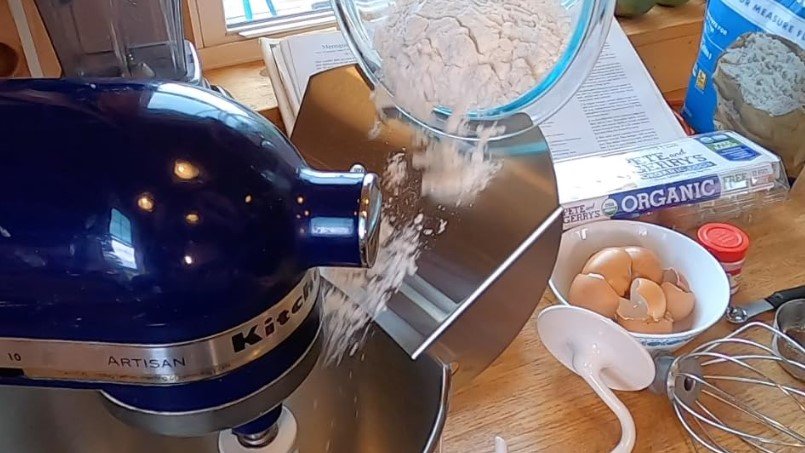
Visual guide about Are Kitchenaid Attachments Universal
Image source: alisonlawsoncakes.com
Practical Benefits of a Universal Hub
Because the hub is universal, you can build your collection slowly. You do not need to buy every attachment the day you get your mixer. Maybe you start with the pasta roller this year. In 2027, you can add a vegetable slicer. Because of that consistent design, you know your investment remains valuable for years. You are not buying a new system every time you want to try a new recipe; you are simply plugging into a reliable standard.
Compatibility Limitations
Even with the hub, there are rare cases where a very old model might have a slightly different gear alignment. However, these instances are extremely rare in 2026. Almost every attachment on the market today is designed to snap into any hub built in the last several decades. If you have a vintage model that predates the standardized hub, you will know immediately—it won’t have that iconic front-facing round cap at all.
Navigating Bowl-Lift vs. Tilt-Head Models
The most common frustration for home bakers is buying the wrong beater or whisk. If you go to a store, you will see sections labeled “Tilt-Head Accessories” and “Bowl-Lift Accessories.” These labels are non-negotiable. You cannot switch between these categories.
The Anatomy of Tilt-Head Mixers
Tilt-head mixers are designed so that the head pivots upward to allow you to remove the bowl. The accessories for these machines are shorter and specifically shaped to clear the rim of the bowl when the head is tilted back. If you try to use a bowl-lift accessory on a tilt-head model, it will be far too long and will likely strike the bottom of the bowl.
The Anatomy of Bowl-Lift Mixers
Bowl-lift mixers operate differently. The head is stationary, and a lever lifts the bowl into the mixing position. Because the bowl moves up rather than the head moving up, the mixing tools have a completely different connection mechanism. They use a unique spring-loaded design that keeps the beater secure while the heavy bowl is raised. You simply cannot use a standard tilt-head beater on these machines.
Pro Tips for Buying Attachments in 2026
Before you click “buy” on an online store, take a moment to confirm your model number. This is the single most important step you can take. Every KitchenAid mixer has a sticker on the base or under the bottom, usually tucked away where it stays clean. That alphanumeric code is your best friend.
Finding Your Model Number
Do not just look at the marketing name, like “Artisan” or “Professional 600.” Those names can be used for different iterations of the machine over many years. Always find the specific serial number or model code. When you search for attachments online, plug that specific code into the compatibility search filter. Many modern retail websites have tools that will cross-reference your code to tell you definitively if a product will fit.
Check for “Coated” vs. “Stainless Steel”
Even if you find the right size, you have to choose between finishes. Coated beaters are standard, but many home cooks are upgrading to stainless steel in 2026 because it is dishwasher safe and more durable. Make sure that when you verify compatibility, you are looking at the material that suits your cleaning preferences. A stainless steel hook is much heavier than a coated one, and you should ensure your mixer’s motor is rated for the heavy-duty task you intend to perform.
When to Replace vs. Repair
Sometimes you might wonder if you should replace a broken attachment or just buy a new one. Since so many attachments are universal regarding the hub, buying second-hand is actually quite safe. If you find a food grinder at a garage sale, for example, it is almost certainly going to work.
Inspect Before You Buy
If you are buying used attachments, look for signs of wear. Even if the attachment fits the hub, if the internal gears of the attachment are stripped or rusted, it won’t perform well. A good attachment should rotate smoothly by hand before you even attach it to the mixer. If it grinds or feels loose, it might have been dropped or misused by a previous owner.
Maintenance of Your Attachments
Once you have a collection of attachments, keep them organized. Many people buy specialized storage racks to hang their attachments on the wall. This protects the finish and prevents the connection points from becoming damaged in a cluttered drawer. Remember that while the hub is universal, the metal parts can still be damaged by impact. Treat your attachments with the same care you treat your mixer.
Conclusion
Are KitchenAid attachments universal? You now know the nuance behind this question. The front power hub is your gateway to a vast world of universal accessories, allowing you to use almost any tool regardless of your mixer’s age. However, when it comes to your core mixing tools, you must respect the distinction between bowl-lift and tilt-head designs.
By taking a few minutes to check your specific model number, you can avoid the headache of returns and get straight to the fun part: creating delicious food. Whether you are shredding cheese, rolling fresh pasta, or whipping up the perfect batch of meringue, your KitchenAid mixer is built to be a long-term partner in your culinary journey. Enjoy experimenting with your setup and happy baking in 2026!
Frequently Asked Questions
Can I use my old tilt-head attachments on a new tilt-head mixer?
In most cases, yes! KitchenAid has maintained the same connection style for tilt-head accessories for decades, so your beaters should fit.
Why does my bowl-lift mixer use different beaters than a tilt-head?
The two designs operate on different mechanical principles, requiring different attachment lengths and connection points to safely clear the bowl.
Will a 1990s attachment fit a 2026 mixer?
Yes, as long as the attachment connects to the front power hub, it will work perfectly fine on modern mixers.
How do I know if my attachment is authentic?
Always check for the official KitchenAid branding on the product. While third-party attachments exist, authentic parts are guaranteed to meet the safety and quality standards of your mixer.
Can I put my attachments in the dishwasher?
It depends on the material; stainless steel attachments are usually dishwasher safe, but coated or aluminum parts may become discolored or damaged by high heat.
Where can I find my model number?
You can usually find the model number on a small sticker located under the base of the mixer or on the back of the pedestal near the power cord.