
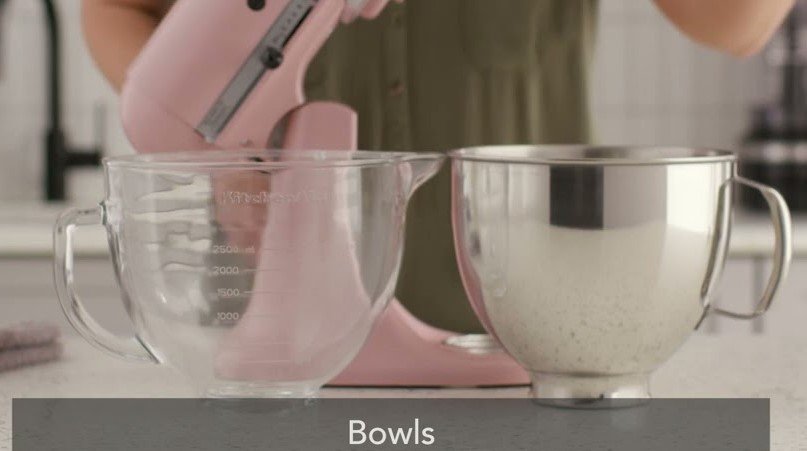
Most KitchenAid mixing bowls are not designed for the microwave, especially the standard stainless steel options which can cause dangerous arcing. While some specialty glass or ceramic bowls may be labeled as heat-resistant, you should always check the specific model and material before attempting to use them in your microwave.
If you own a KitchenAid stand mixer, you know it is the heart of your kitchen. Whether you are whipping up a batch of fluffy meringue or kneading bread dough, that mixing bowl is your best friend. But what happens when a recipe calls for melting butter or warming chocolate right in the bowl? Many of us have wondered, are KitchenAid mixing bowls microwave safe? It is a common question that pops up when we are trying to save time and skip the extra cleanup of a second dish.
In 2026, our kitchens are smarter than ever, but the physics of how a microwave works remains the same. Understanding the materials in your kitchen tools is the best way to keep your home safe and your appliances running smoothly. Let’s dive deep into the world of KitchenAid mixing bowls to see which ones can handle the heat and which ones should stay far away from your microwave.
Key Takeaways
- Material Matters: Stainless steel KitchenAid bowls should never be placed in a microwave because metal reflects waves and causes sparks.
- Glass and Ceramic Exceptions: Only specific glass or ceramic bowls explicitly marked as microwave-safe should be used for heating.
- Check for Markings: Always flip your bowl over and look for the microwave-safe icon or “microwave safe” text stamped on the bottom.
- Temperature Shock: Even if a bowl is microwave safe, avoid moving it directly from a freezing freezer to a hot microwave to prevent cracking.
- Safety First: If you are unsure if your bowl is safe, it is always better to transfer your ingredients to a dedicated microwave-safe container.
Understanding Your Bowl Material
The most important factor in determining if a container can go into the microwave is what it is made of. KitchenAid produces a variety of mixing bowls to suit different styles and needs. These materials interact with microwave energy in very different ways.
The Stainless Steel Problem
The vast majority of stand mixer bowls are made from high-quality stainless steel. These bowls are lightweight, durable, and perfect for dishwasher cleaning. However, stainless steel is a big no-go for the microwave. When metal is exposed to microwaves, it acts like a mirror, reflecting the waves. This can cause arcing, which looks like small lightning bolts inside your microwave. This is not only a fire hazard but can also permanently damage your microwave’s internal components.
Glass and Ceramic Options
KitchenAid also offers beautiful glass and ceramic bowls. These are often used for proofing dough or aesthetic appeal. Unlike metal, glass and ceramic allow microwaves to pass through them to heat the food inside. However, just because they aren’t metal does not automatically make them safe. You must verify if the specific glass or ceramic is heat-treated to withstand the rapid temperature changes that occur during microwaving.
How to Identify If Your Bowl Is Safe
Before you even think about hitting the “start” button, you need to be a detective. Manufacturers provide clues on the bottom of their products that tell you exactly what you need to know. Never guess when it comes to microwave safety; the stakes for your appliance and your safety are simply too high.
Visual guide about Are Kitchenaid Mixing Bowls Microwave Safe
Image source: foodandwine.com
The Universal Symbol
Most kitchenware manufacturers use a standard icon to denote microwave safety. Look for a small square with wavy lines inside it. Sometimes, you will see a “microwave safe” label printed in clear text. If your bowl has neither of these, it is safest to assume it is not microwave safe and find another way to heat your ingredients.
The “Feel” Test
If the label has worn off over the years, consider the age of the bowl. Older ceramic bowls may contain glazes that are not stable under high heat. If you are ever in doubt, the “fill and heat” method is a better alternative. Simply use a different glass measuring cup or a known microwave-safe bowl to heat your butter or liquids, then pour them into your mixing bowl once they are ready. It saves you the worry of a potential kitchen mishap.
Risks of Using Non-Microwave Safe Bowls
So, what exactly happens if you decide to roll the dice? Ignoring the safety guidelines for your mixing bowls can lead to a few unpleasant scenarios. Understanding these risks will help you appreciate why we have these rules in the first place.
Arcing and Fire Hazards
As mentioned earlier, metal causes arcing. If you put your stainless steel KitchenAid bowl in the microwave, you might see sparks immediately. In some cases, this can lead to small fires or damage to the magnetron, which is the part of the microwave that generates the waves. Once the magnetron is damaged, the microwave often requires professional repair or replacement.
Thermal Shock and Cracking
For glass and ceramic bowls, the biggest risk is thermal shock. If you take a cold glass bowl and heat it quickly, the expansion of the material can cause the bowl to shatter. Imagine having your brownie batter or warm dough ruined by broken glass shards. It is a messy and dangerous situation that is easily avoided by using proper materials.
Best Practices for Melting and Heating
If you want to keep your KitchenAid mixing bowls in perfect condition, it is best to treat them with care. Most culinary experts recommend avoiding the microwave for these bowls entirely, even if the material seems safe. Instead, use these tried-and-true kitchen habits to get the job done right.
The Double Boiler Method
If you are melting chocolate or butter, the double boiler method is the gold standard. Place a glass or metal bowl over a pot of simmering water. The steam gently melts your ingredients without the risk of scorching. This is much better for your ingredients and allows you to use your favorite KitchenAid bowl without worrying about safety.
Using Microwave-Safe Substitutes
If you really need the convenience of a microwave, use a smaller glass measuring cup. It is much easier to pour from a measuring cup into your stand mixer bowl than it is to clean up a potential disaster. By keeping the microwave for small, heat-safe vessels, you ensure your large mixing bowls stay unscratched and ready for their primary job: mixing!
Caring for Your KitchenAid Accessories
Beyond the question of are KitchenAid mixing bowls microwave safe, you should also consider how to maintain them for longevity. Whether you have stainless steel, glass, or ceramic, each requires a slightly different touch. Proper care ensures you won’t need to look for replacements anytime soon.
Stainless Steel Maintenance
Stainless steel is incredibly tough, but it can get dull if you use abrasive scrubbers. Use a soft cloth and mild soap to keep it shining. Since they are generally dishwasher safe, you don’t need to worry about sanitizing them, but be careful not to nest them too tightly if they don’t have protection between them, as this can cause scratching.
Glass and Ceramic Upkeep
Glass and ceramic bowls are often heavier and more prone to chipping. Store them in a place where they won’t be bumped by other heavy pots. If you notice even a hairline crack in your glass bowl, stop using it immediately. Micro-cracks can expand rapidly when exposed to heat, leading to a break while you are mid-mix.
Conclusion
At the end of the day, your KitchenAid mixer is an investment that makes your time in the kitchen more enjoyable and efficient. While it might be tempting to toss that bowl into the microwave to speed things up, the risk simply isn’t worth it. Stainless steel bowls are strictly forbidden in the microwave due to the dangers of arcing, and even “safe” glass or ceramic bowls can suffer from thermal stress.
Stick to using your mixing bowls for what they were designed for: whipping, kneading, and combining ingredients. When a recipe calls for melting or heating, reach for a designated microwave-safe container instead. By following these simple rules, you will keep your kitchen safe, your equipment in top shape, and your baking results consistently perfect for years to come.
Are all stainless steel bowls dangerous in the microwave?
Yes, all stainless steel bowls are dangerous in a microwave. Metal surfaces cause electrical arcing, which can spark, damage the microwave, or even start a fire.
Can I use my glass KitchenAid bowl in the microwave?
Only if the bowl is explicitly labeled as microwave-safe by the manufacturer. Even then, avoid sudden temperature changes to prevent the glass from shattering due to thermal shock.
What should I do if I accidentally put my metal bowl in the microwave?
If you accidentally turn it on, stop the microwave immediately. Once it is off, open the door to let the heat dissipate before carefully removing the bowl using oven mitts.
How do I know if my ceramic bowl is safe?
Check the bottom of the bowl for a microwave-safe symbol. If there is no such marking, do not assume it is safe, as the clay or glaze may not be rated for high heat.
Is it okay to put my mixer bowl in the freezer?
Most stainless steel and glass bowls can handle the freezer, which is great for chilling bowls to whip cream. However, avoid putting them directly from the freezer into a hot oven or microwave.
Why is it better to use a separate container for melting?
Using a smaller, dedicated container makes it easier to measure and stir your ingredients. It also protects your large, expensive mixer bowls from potential damage, cracks, or heat-induced staining.